Atlas MapSpecimensHotspots
Fossil Atlas: Specimen ProfileCatalog FA·ARGE·1987
Plate 29 · Herbivore

ArgentinosaurusFossil map and specimen profile

Among the Largest Animals to Walk on Land

Binomial Argentinosaurus huinculensis · ar-jen-TEE-noh-SORE-us

Late Cretaceous - 97-93 Ma

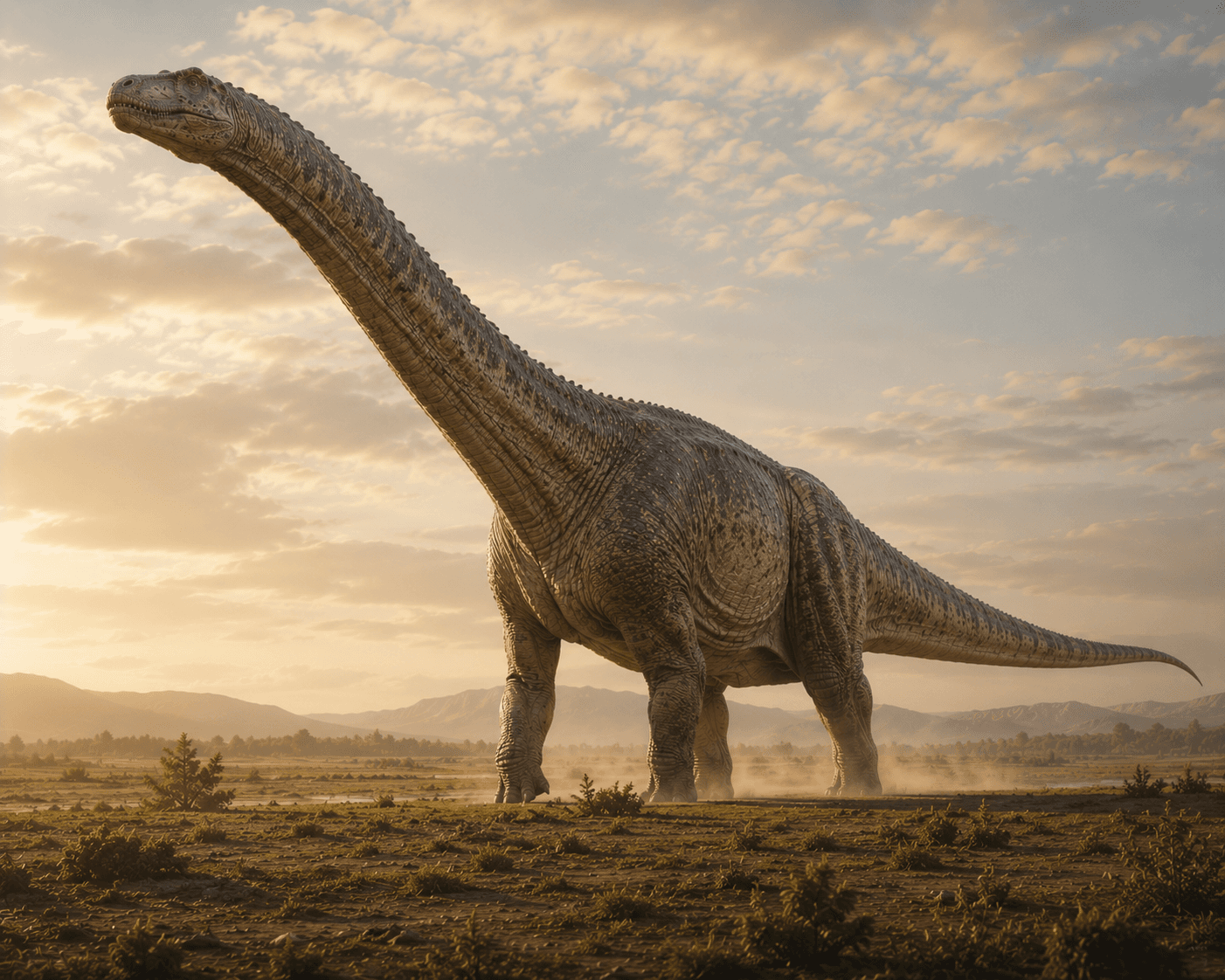
Illustrated reconstruction of ArgentinosaurusIllustration
Plate 29 · illustration onlyFA·ARGE·1987
Classification
Sauropod dinosaur
Family
Titanosauria
Genus / Species
Argentinosaurus huinculensis
Diet
Herbivore
Range
Neuquen Province, Argentina, especially Huincul Formation context in the current atlas.
Quick provenance answer

Where have Argentinosaurus fossils been found?

Argentinosaurus fossil records in Fossil Atlas are mapped as selected modern discovery locations, with 1 source-backed records currently shown. Neuquen Province, Argentina, especially Huincul Formation context in the current atlas. Key mapped formations in the current dataset include Huincul Formation. These pins are fossil record locations, not a complete ancient habitat map.

Mapped records
1
Modern range note
Neuquen Province, Argentina, especially Huincul Formation context in the current atlas.
Key formations
Huincul Formation
Map caveat
Modern fossil locations, not ancient habitat.
Field account

Argentinosaurus was an enormous titanosaur sauropod from Cretaceous Argentina. Fossil Atlas presents a source-backed locality point and caveats around fragmentary giant-sauropod evidence.

Built to scale

Size against a person

Drawn true to scale on a metre ruler.

0 m2468101214161820222426
Argentinosaurus, 30 m (98 ft)Adult human, 1.8 m17× longer than a person is tall
Field measurements

Measurements & capabilities

MeasuredEstimate

Length

measured

30 m · 98 ft

Largest known specimens

Height

measured

15 m (49 ft)

Body mass

estimate

70,000 kg · 154,000 lb

Typical adult

Top speed

estimate

8 km/h · 5 mph

Modelled, debated

Life & behaviour

How Argentinosaurus lived

Argentinosaurus was an enormous titanosaur sauropod from Cretaceous Argentina. Its fossil record is fragmentary, consisting mainly of vertebrae, ribs, and parts of a tibia, which means size estimates carry substantial uncertainty. Even the lower end of the estimates puts it among the largest land animals in Earth's history. At this body mass, continuous feeding would have been necessary, and juveniles would have been far more vulnerable to predators than fully grown adults.

Size

Estimated at 30-40 metres in length and 70-80 tonnes depending on method and which specimens are used. The fragmentary evidence means all these figures are approximations rather than confirmed measurements.

The vertebrae

The preserved dorsal vertebrae are among the largest ever found, with single vertebrae exceeding 1.5 metres in height. They are the most diagnostic element for size estimates.

Growth

To reach the sizes estimated, Argentinosaurus would have had among the fastest growth rates of any known dinosaur, comparable in absolute mass gain per year to a modern blue whale.

Defense

At full adult size, Argentinosaurus had no serious predators. Juveniles were vulnerable to the large carcharodontosaurids sharing the ecosystem.

Known from

Fossil evidence

01Vertebrae
02Ribs
03Limb bone material
04Titanosaur body fossils
Key formations
Huincul Formation
Geologic timeline

When they lived

Position of this animal’s known range across 252 million years of the Mesozoic and beyond.

252 MaToday

97-93 million years ago

From the notebook

Field notes

01

Argentinosaurus is often discussed among the largest dinosaurs yet known.

02

Its fossil evidence is fragmentary but enormous.

03

The page needs careful wording: size estimates are impressive but not the same as complete skeleton evidence.

Discovery & debate

How we know Argentinosaurus

Guillermo Heredia found the first bones on his ranch in Neuquen Province in 1987. Jose Bonaparte and Rodolfo Coria published the formal description in 1993. The fragmentary nature of the specimen has made Argentinosaurus a frequent subject of caution in palaeontology writing: the animal is almost certainly real and very large, but specific size figures in popular media often exceed what the evidence directly supports. A separate titanosaur, Patagotitan mayorum, described in 2017 from more complete material, is sometimes presented as comparable in size.

Shared the landscape

Lived alongside

Animals known from the same deposits and time as Argentinosaurus.

Same family

Close relatives

Other members of Titanosauria.

Modern discovery map

Argentinosaurus fossil discovery map

Pins show selected fossil records for Argentinosaurus; use them as modern discovery evidence, not a complete range map. Modern fossil discovery map: pins show where selected fossil and specimen records were found today, not ancient Earth positions. What does this mean?

Modern Fossil Discovery Map

Specimen evidence

Museum media and models

No open specimen media or embeddable model assets are available in the local enrichment data yet.

Research notes

Argentinosaurus fossil map FAQ

Where have Argentinosaurus fossils been found?

Argentinosaurus is represented here by selected fossil records from neuquen province, argentina, especially huincul formation context in the current atlas. Fossil Atlas maps those records as modern discovery locations.

Is this map where Argentinosaurus lived?

No. The map shows modern fossil discovery locations from selected records. Ancient habitat and paleogeographic reconstructions are separate questions.

What formation is Argentinosaurus associated with here?

The current Fossil Atlas records include Huincul Formation. Formation coverage depends on the selected dataset and may not be complete.

Can I make a Argentinosaurus expedition card?

Yes. Use the expedition card generator to turn the Argentinosaurus map and specimen profile into a shareable card.

Data sources

Attribution

Caveats

Important notes

Selected fossil records from PBDB and museum biodiversity aggregators. This is not a complete fossil count by country; source labels and confidence notes help distinguish canonical paleobiology records from specimen-media records.

Reconstruction images are labeled illustrations and do not represent fossil evidence. Size, speed, and bite-force figures are typical published estimates and remain subject to revision as new specimens are described.

Trust note

Selected source-backed records

Maps use curated PBDB, museum, and specimen-source records with visible caveats.

Trust note

Modern discovery locations

Pins show where fossils were found or reported today, not exact ancient habitat positions.

Trust note

Reconstruction is not evidence

Artwork is labeled separately from specimen photos, maps, and source records.

Request desk

Request the next dinosaur map

Request another dinosaur like Argentinosaurus, submit a correction, or tell us what would make this page useful as a printable card.

Tell us which dinosaur or fossil site to map next, flag a correction, suggest a new pin, or request a card pack. Hit the button to open a prefilled email. We read every one.

Email request