Atlas MapSpecimensHotspots
Fossil Atlas: Specimen ProfileCatalog FA·BRAC·1900
Plate 16 · Herbivore

BrachiosaurusFossil map and specimen profile

The High-Shouldered Giant of the Morrison

Binomial Brachiosaurus altithorax · brak-ee-oh-SORE-us

Late Jurassic - 154-145 Ma

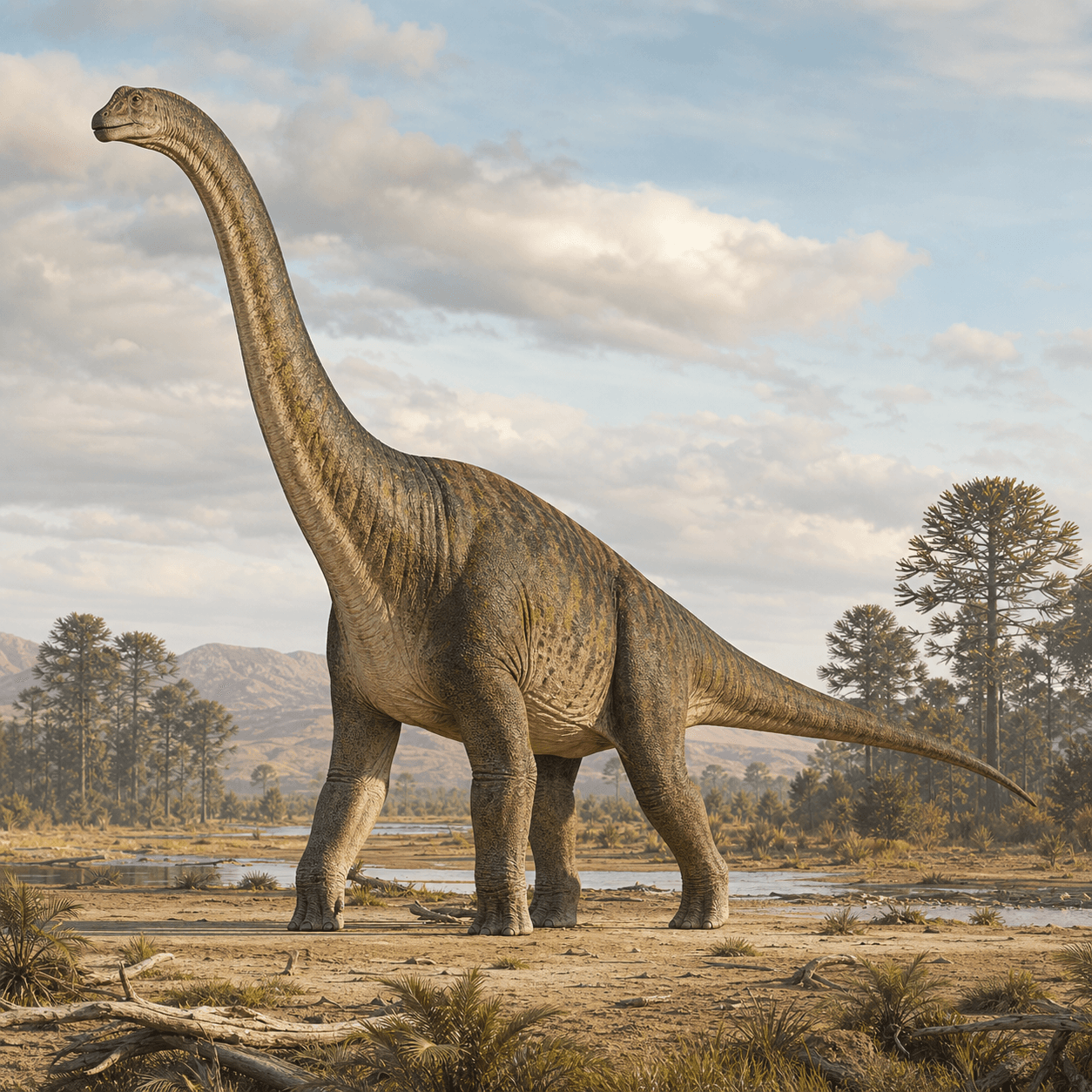
Illustrated reconstruction of BrachiosaurusIllustration
Plate 16 · illustration onlyFA·BRAC·1900
Classification
Sauropod dinosaur
Family
Brachiosauridae
Genus / Species
Brachiosaurus altithorax
Diet
Herbivore
Range
Western North America in the selected Brachiosaurus records, with Morrison Formation context and additional source records that may reflect broader brachiosaurid usage.
Quick provenance answer

Where have Brachiosaurus fossils been found?

Brachiosaurus fossil records in Fossil Atlas are mapped as selected modern discovery locations, with 19 source-backed records currently shown. Western North America in the selected Brachiosaurus records, with Morrison Formation context and additional source records that may reflect broader brachiosaurid usage. Key mapped formations in the current dataset include Morrison Fm, Morrison, Süntel. These pins are fossil record locations, not a complete ancient habitat map.

Mapped records
19
Modern range note
Western North America in the selected Brachiosaurus records, with Morrison Formation context and additional source records that may reflect broader brachiosaurid usage.
Key formations
Morrison Fm, Morrison, Süntel
Map caveat
Modern fossil locations, not ancient habitat.
Field account

Brachiosaurus was a large Late Jurassic sauropod best known from North American Morrison Formation material. Its long forelimbs and elevated shoulder posture made it one of the most recognizable high-browsing dinosaurs. Fossil Atlas maps selected modern discovery records and keeps broader brachiosaurid context separate from specimen evidence.

Built to scale

Size against a person

Drawn true to scale on a metre ruler.

0 m2468101214161820222426
Brachiosaurus, 21 m (69 ft)Adult human, 1.8 m12× longer than a person is tall
Field measurements

Measurements & capabilities

MeasuredEstimate

Length

measured

21 m · 69 ft

Largest known specimens

Height

measured

9.4 m (31 ft)

Body mass

estimate

35,000 kg · 77,000 lb

Typical adult

Top speed

estimate

10 km/h · 6 mph

Modelled, debated

Life & behaviour

How Brachiosaurus lived

Brachiosaurus stood with its shoulders higher than its hips, giving it a giraffe-like silhouette very different from the low-slung neck and tail of diplodocids. This posture allowed it to reach canopy-level vegetation that other Morrison sauropods could not access. Its sheer mass meant it had to eat almost continuously to maintain body weight.

The forelimbs

Longer than the hind limbs, the defining feature that separates Brachiosaurus from most other sauropods. This gives the body a forward-sloping profile unlike the more level backs of diplodocids.

High browsing

The combination of long forelimbs and a long neck points to feeding at heights other Morrison dinosaurs could not reach, similar to a modern giraffe's feeding strategy.

Mass

Estimates range from 30 to 60 tonnes depending on method. One of the heaviest land animals in the fossil record.

Giraffatitan

Much of what was historically called Brachiosaurus in European museums is now assigned to Giraffatitan brancai from Tanzania. The two are distinct genera, which means a significant portion of historical Brachiosaurus records now belong to a separate animal.

Known from

Fossil evidence

01Limb bones
02Vertebrae
03Partial skeletons
04Sauropod quarry records
Key formations
Morrison FmMorrisonSüntelKadziTendaguru
Geologic timeline

When they lived

Position of this animal’s known range across 252 million years of the Mesozoic and beyond.

252 MaToday

154-145 million years ago

From the notebook

Field notes

01

Brachiosaurus carried unusually long forelimbs, giving it a high-shouldered profile unlike many classic sauropods.

02

Its Morrison Formation context links it to one of the most famous dinosaur-bearing rock units in North America.

03

Fossil Atlas treats its mapped pins as discovery records, not as a complete ancient range.

Discovery & debate

How we know Brachiosaurus

Elmer Riggs described Brachiosaurus altithorax from Colorado material collected in 1900, recognising that unusually long forelimbs made it different from other sauropods then known. Bones from Tanzania's Tendaguru beds, collected in the early 1900s, were long placed in Brachiosaurus as a second species. In 2009, Michael Taylor re-examined the material and argued the African animal was distinct enough to restore the older name Giraffatitan, separating a large portion of the historical Brachiosaurus record into a separate genus.

Same family

Close relatives

Other members of Brachiosauridae.

Modern discovery map

Brachiosaurus fossil discovery map

Pins show selected fossil records for Brachiosaurus; use them as modern discovery evidence, not a complete range map. Modern fossil discovery map: pins show where selected fossil and specimen records were found today, not ancient Earth positions. What does this mean?

Modern Fossil Discovery Map

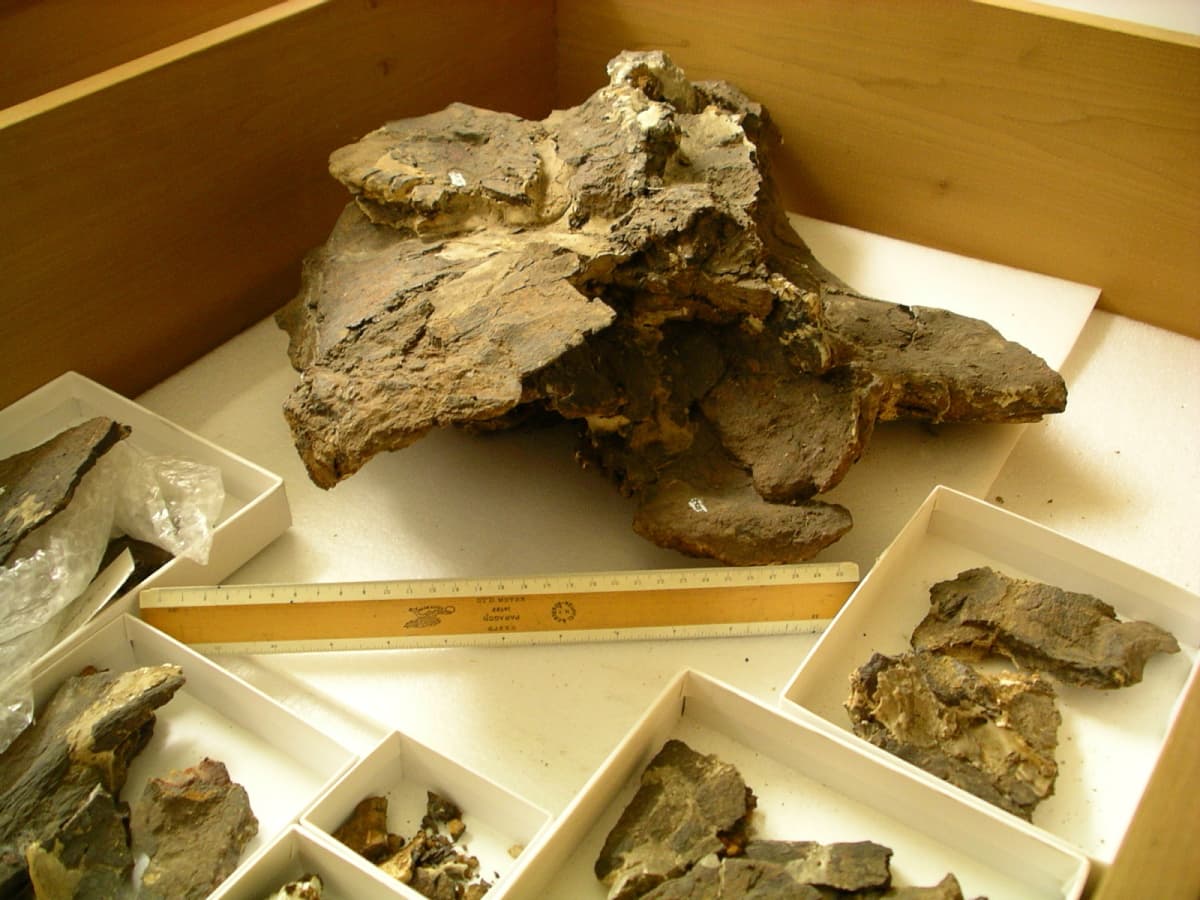
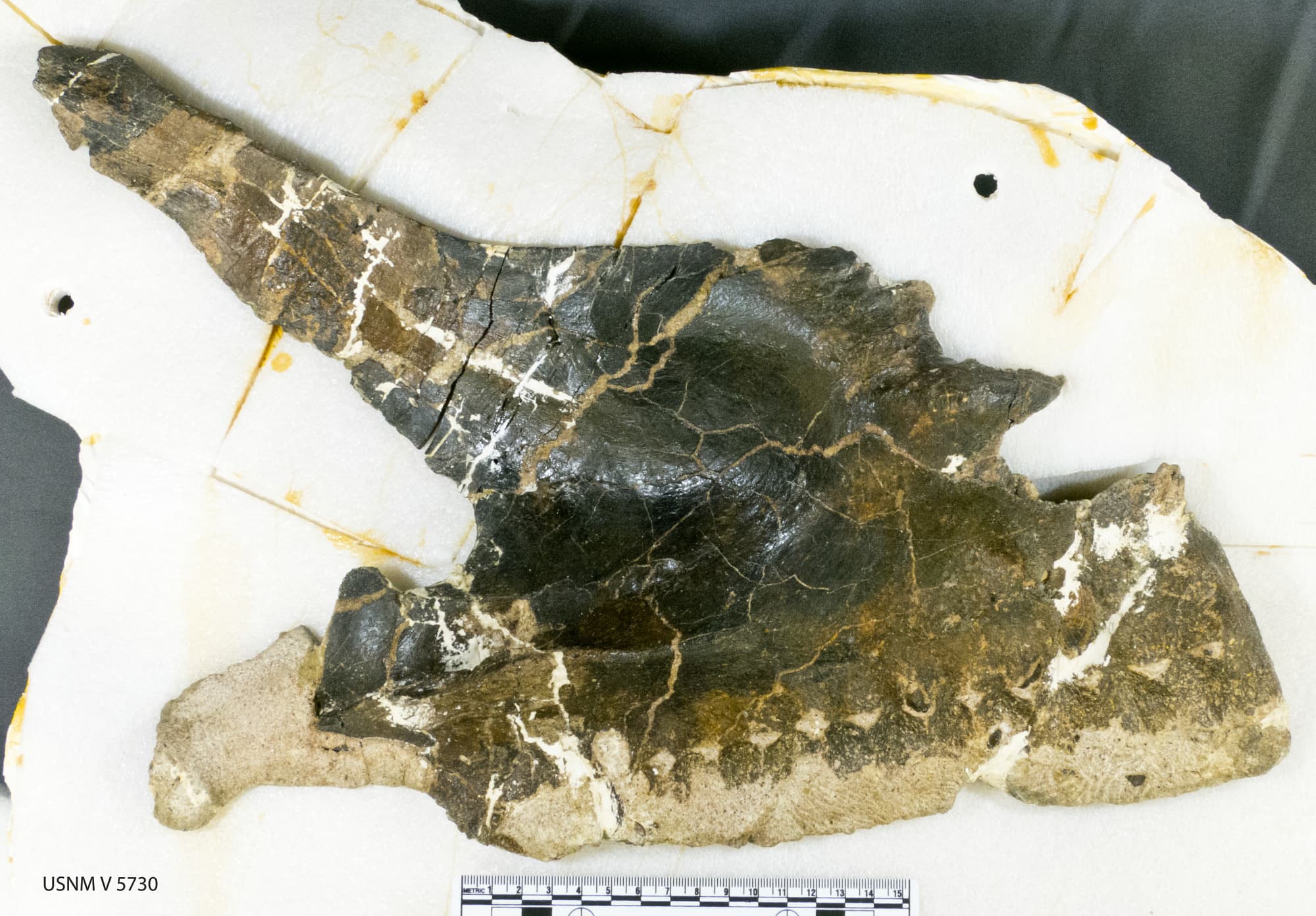
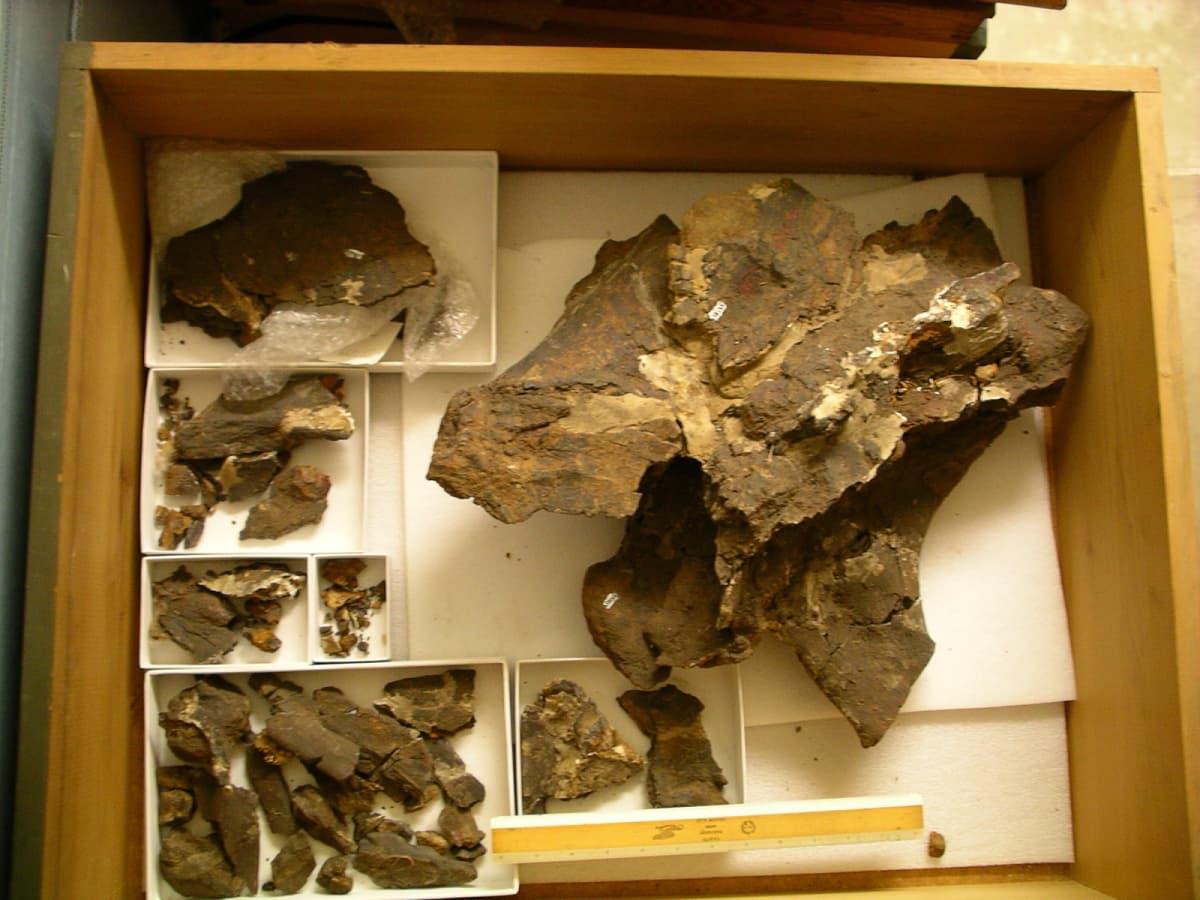
Specimen evidence

Museum images and 3D records

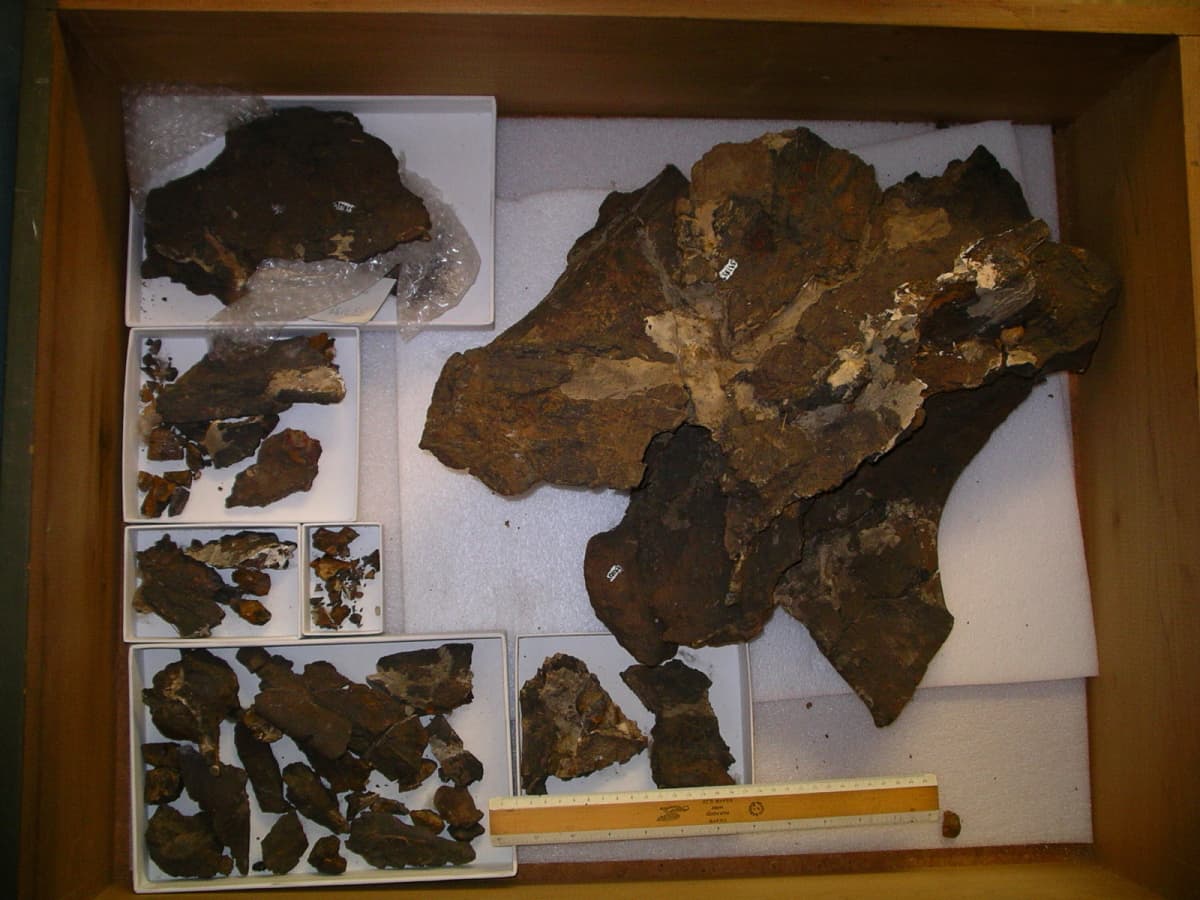
These are sourced specimen assets, separate from reconstruction artwork. Only media with clear open or reusable rights is displayed by default.

USNM PAL 337859
Specimen image

USNM PAL 337859

Michael Brett-Surman

CC0idigbio
View source
USNM V 5730_9
Specimen image

USNM V 5730_9

Michael Brett-Surman

CC0idigbio
View source
USNM PAL 337859
Specimen image

USNM PAL 337859

Michael Brett-Surman

CC0idigbio
View source
USNM PAL 337859
Specimen image

USNM PAL 337859

Michael Brett-Surman

CC0idigbio
View source
Research notes

Brachiosaurus fossil map FAQ

Where have Brachiosaurus fossils been found?

Brachiosaurus is represented here by selected fossil records from western north america in the selected brachiosaurus records, with morrison formation context and additional source records that may reflect broader brachiosaurid usage. Fossil Atlas maps those records as modern discovery locations.

Is this map where Brachiosaurus lived?

No. The map shows modern fossil discovery locations from selected records. Ancient habitat and paleogeographic reconstructions are separate questions.

What formation is Brachiosaurus associated with here?

The current Fossil Atlas records include Morrison Fm. Formation coverage depends on the selected dataset and may not be complete.

Can I make a Brachiosaurus expedition card?

Yes. Use the expedition card generator to turn the Brachiosaurus map and specimen profile into a shareable card.

Data sources

Attribution

Caveats

Important notes

Selected fossil records from PBDB and museum biodiversity aggregators. This is not a complete fossil count by country; source labels and confidence notes help distinguish canonical paleobiology records from specimen-media records.

Reconstruction images are labeled illustrations and do not represent fossil evidence. Size, speed, and bite-force figures are typical published estimates and remain subject to revision as new specimens are described.

Trust note

Selected source-backed records

Maps use curated PBDB, museum, and specimen-source records with visible caveats.

Trust note

Modern discovery locations

Pins show where fossils were found or reported today, not exact ancient habitat positions.

Trust note

Reconstruction is not evidence

Artwork is labeled separately from specimen photos, maps, and source records.

Request desk

Request the next dinosaur map

Request another dinosaur like Brachiosaurus, submit a correction, or tell us what would make this page useful as a printable card.

Tell us which dinosaur or fossil site to map next, flag a correction, suggest a new pin, or request a card pack. Hit the button to open a prefilled email. We read every one.

Email request