Atlas MapSpecimensHotspots
Fossil Atlas: Specimen ProfileCatalog FA·ALLO·1877
Plate 06 · Carnivore

AllosaurusFossil map and specimen profile

The Dominant Predator of the Jurassic West

Binomial Allosaurus fragilis · AL-oh-SOR-us

Late Jurassic · 155-145 Ma

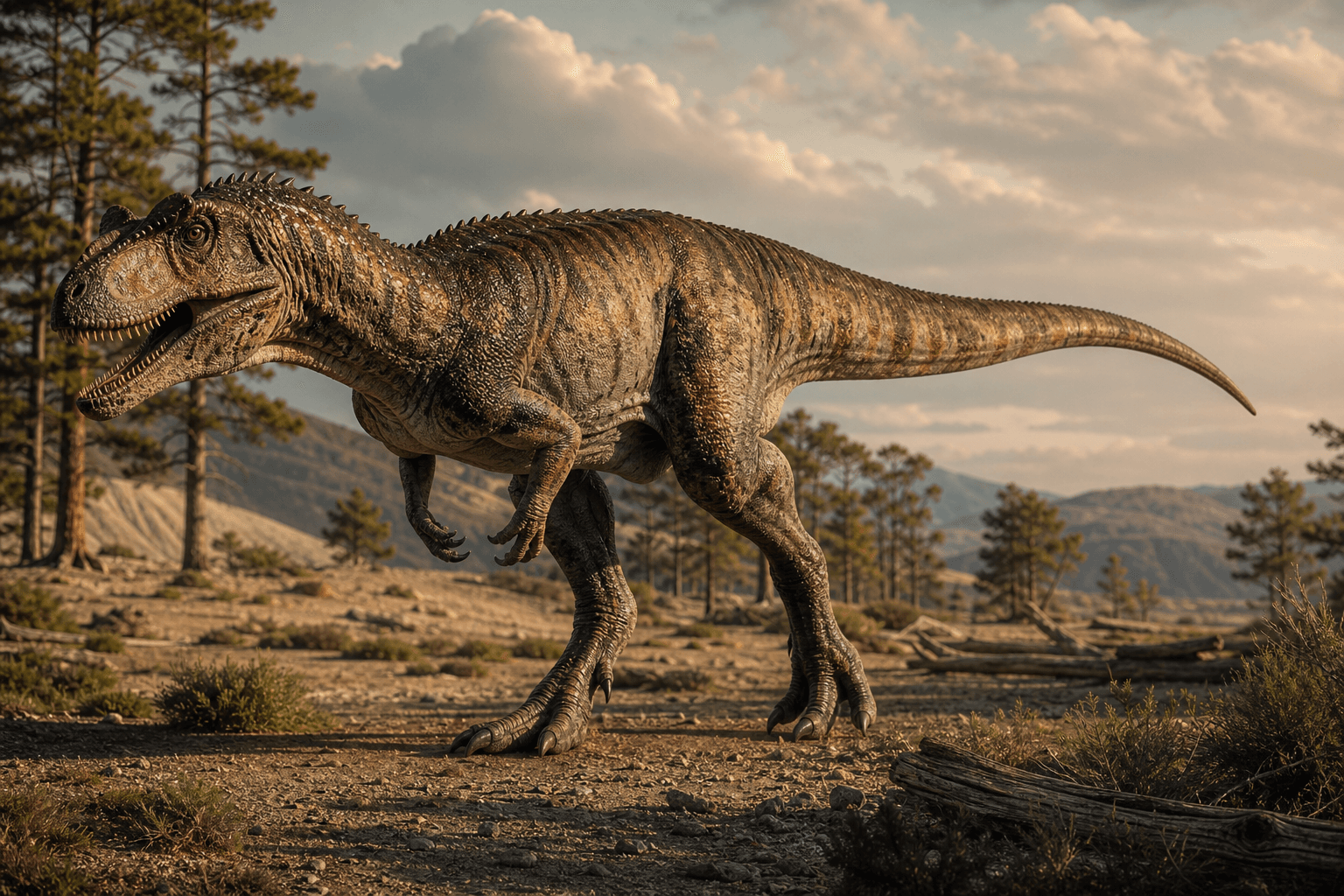
Illustrated reconstruction of AllosaurusIllustration
Plate 06 · illustration onlyFA·ALLO·1877
Classification
Theropod dinosaur
Family
Allosauridae
Genus / Species
Allosaurus fragilis
Diet
Carnivore
Range
Known especially from the Morrison Formation of the western United States, with additional reported Jurassic records from Portugal.
Quick provenance answer

Where have Allosaurus fossils been found?

Allosaurus fossil records in Fossil Atlas are mapped as selected modern discovery locations, with 205 source-backed records currently shown. Known especially from the Morrison Formation of the western United States, with additional reported Jurassic records from Portugal. Key mapped formations in the current dataset include Morrison Formation, Morrison Fm, Morrison. These pins are fossil record locations, not a complete ancient habitat map.

Mapped records
205
Modern range note
Known especially from the Morrison Formation of the western United States, with additional reported Jurassic records from Portugal.
Key formations
Morrison Formation, Morrison Fm, Morrison
Map caveat
Modern fossil locations, not ancient habitat.
Field account

Allosaurus was a large meat-eating theropod from the Late Jurassic and the apex predator of the Morrison Formation, the rock unit that records the classic western North American Jurassic ecosystem of giant sauropods and stegosaurs. Its fossils are among the most abundant of any large theropod, which is why it is so well understood. Mapped records mark modern discovery sites, not the full extent of its ancient range.

Built to scale

Size against a person

Drawn true to scale on a metre ruler.

0 m2468101214161820222426
Allosaurus, 8.5 m · 28 ftAdult human, 1.8 m5× longer than a person is tall
Field measurements

Measurements & capabilities

MeasuredEstimate

Length

measured

8.5 m · 28 ft

Largest known specimens

Height

measured

3.2 m · 10.5 ft

Body mass

estimate

2,000 kg · 4,400 lb

Typical adult

Top speed

estimate

34 km/h · 21 mph

Modelled, debated

Bite force

estimate

3,500 lbf

Teeth

measured

≈ 70

Brain : body (EQ)

estimate

1.5

Encephalization quotient

Life & behaviour

How Allosaurus lived

Allosaurus was the apex predator of the Morrison Formation for most of the Late Jurassic. Its skull was lighter and more flexible than a tyrannosaur's, built for a different style of attack: opening wide and driving the upper jaw downward into prey rather than biting and holding. Multiple individuals found in bonebeds have prompted discussion of group behavior, though whether this reflects social hunting or animals drawn to the same carcass is unresolved.

The skull

Light and fenestrated with large openings, allowing a wide gape. The upper jaw moved somewhat independently of the braincase, amplifying the downward striking force.

Feeding

Blade-like, serrated teeth well suited for slicing flesh. Wear patterns and skull mechanics suggest a different feeding style from later large tyrannosaurs.

Bonebeds

Cleveland-Lloyd Quarry in Utah has produced over 70 Allosaurus individuals from a single site, one of the most studied large predator assemblages in the record. Why so many ended up together is still debated.

Size

Typically 8-9 metres, with some individuals estimated larger. Not as heavy as the biggest Cretaceous predators, but well-matched to the largest Morrison prey animals.

Known from

Fossil evidence

01Skulls
02Jaws and teeth
03Limb bones
04Vertebrae
05Quarry bonebeds
Key formations
Morrison FormationMorrison FmMorrisonLepidotus BedsAlcobaçaLourinhã
Geologic timeline

When they lived

Position of this animal’s known range across 252 million years of the Mesozoic and beyond.

252 MaToday

155-145 million years ago

From the notebook

Field notes

01

Allosaurus is one of the anchor predators of the Morrison Formation.

02

Several Morrison quarries preserve multiple Allosaurus individuals.

03

Its skull was lighter and more flexible than a tyrannosaur skull.

04

Allosaurus shared Morrison ecosystems with Stegosaurus and several large sauropods.

Discovery & debate

How we know Allosaurus

Marsh described Allosaurus in 1877 from Colorado material collected during the Bone Wars. The Cleveland-Lloyd Quarry, excavated repeatedly from the 1920s onward, has yielded more Allosaurus material than any other single site. That assemblage has driven much of what researchers know about its growth, variation, and ecology. The reason so many individuals ended up at the same location, whether it was a predator trap, a drought-related die-off, or something else, has not been settled.

Same family

Close relatives

Other members of Allosauridae.

Modern discovery map

Allosaurus fossil discovery map

Pins show selected fossil records for Allosaurus; use them as modern discovery evidence, not a complete range map. Modern fossil discovery map: pins show where selected fossil and specimen records were found today, not ancient Earth positions. What does this mean?

Modern Fossil Discovery Map

Specimen evidence

Museum images and 3D records

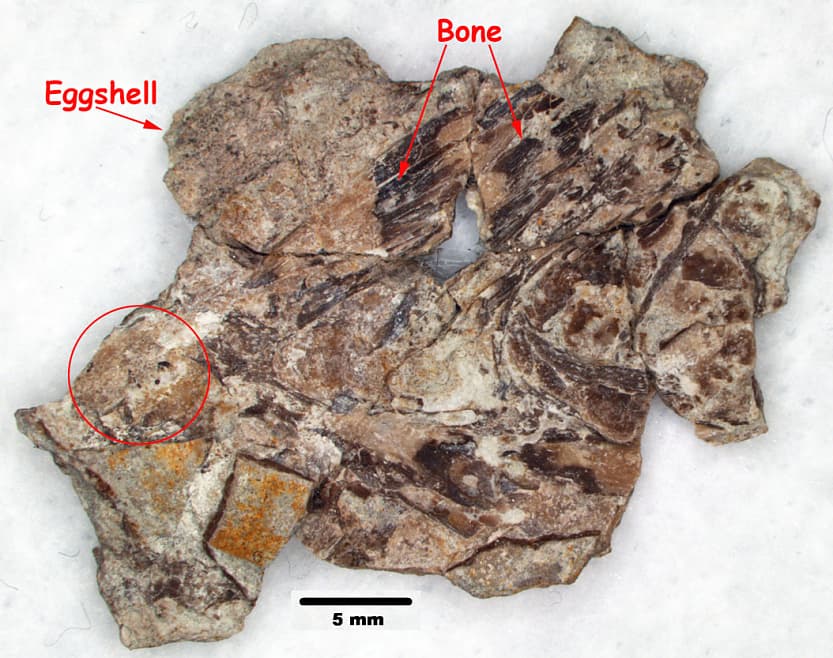
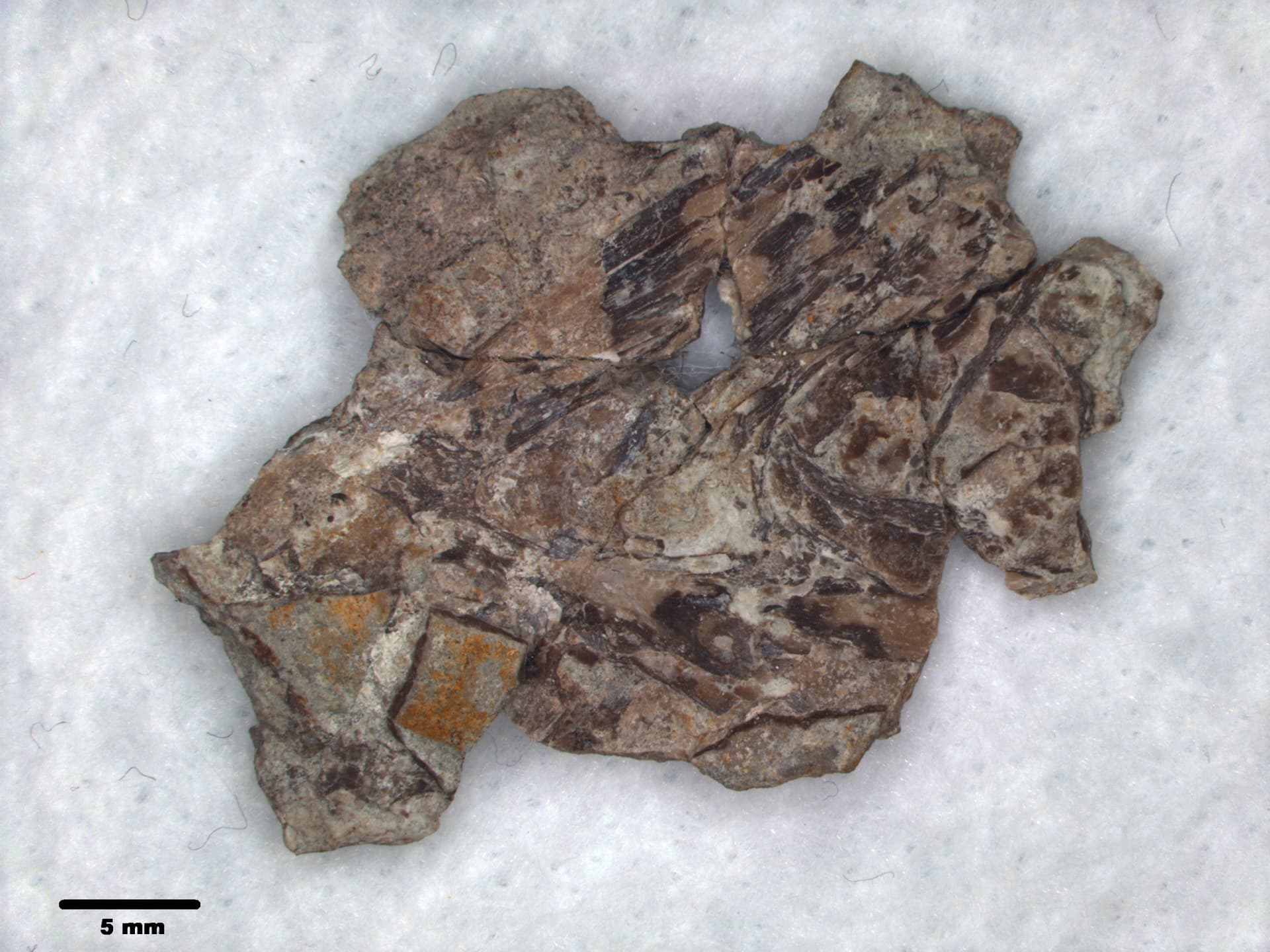
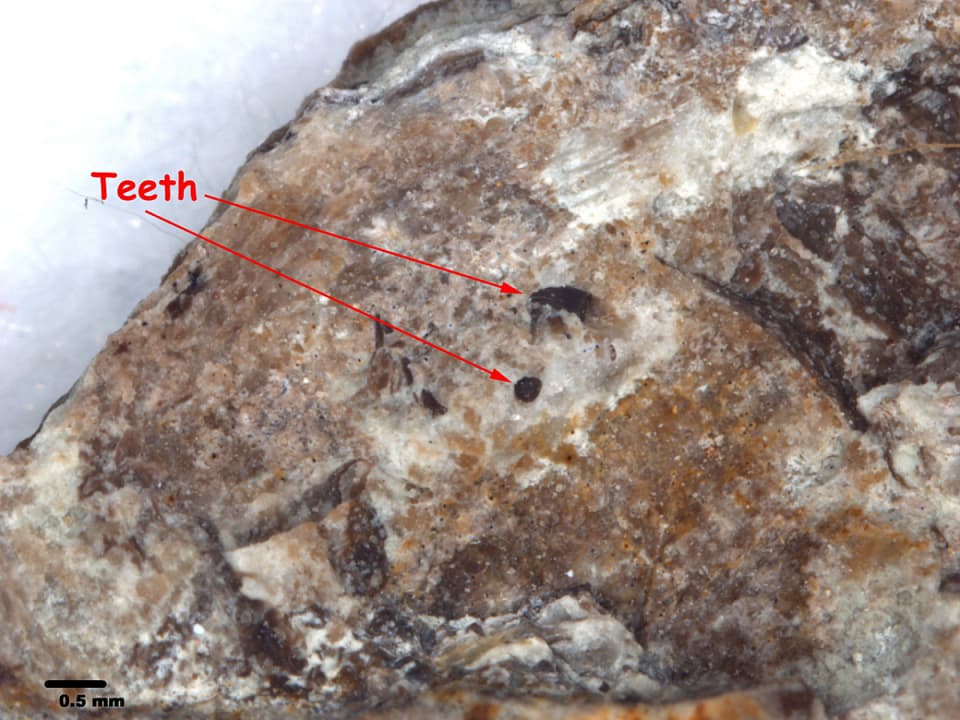
These are sourced specimen assets, separate from reconstruction artwork. Only media with clear open or reusable rights is displayed by default.

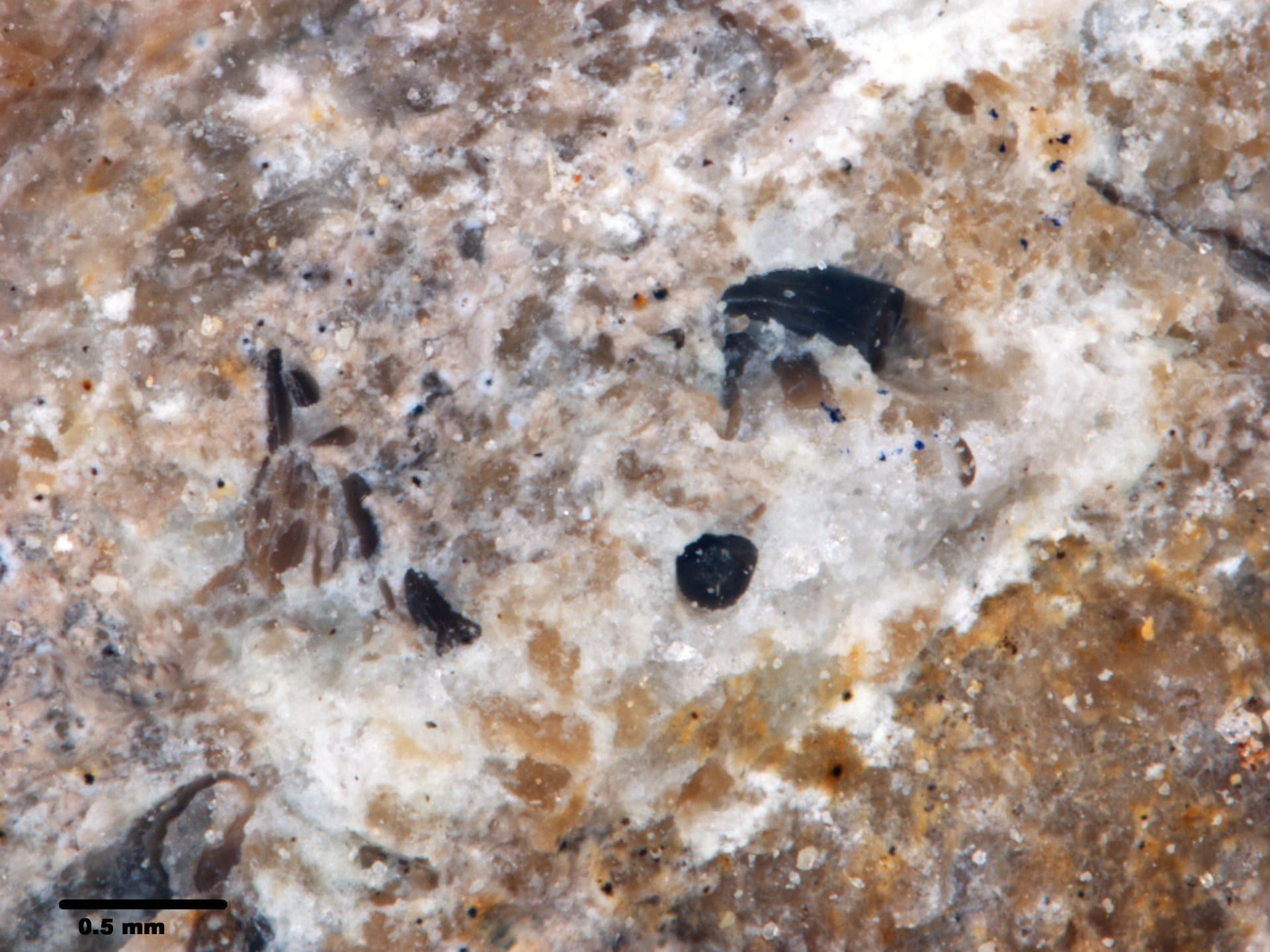
USNM PAL 530086_6
Specimen image

USNM PAL 530086_6

Steve Jabo

CC0idigbio
View source
USNM PAL 530086_5
Specimen image

USNM PAL 530086_5

Steve Jabo

CC0idigbio
View source
USNM PAL 530086_7
Specimen image

USNM PAL 530086_7

Steve Jabo

CC0idigbio
View source
USNM PAL 530086_4
Specimen image

USNM PAL 530086_4

Steve Jabo

CC0idigbio
View source
Research notes

Allosaurus fossil map FAQ

Where have Allosaurus fossils been found?

Allosaurus is represented here by selected fossil records from known especially from the morrison formation of the western united states, with additional reported jurassic records from portugal. Fossil Atlas maps those records as modern discovery locations.

Is this map where Allosaurus lived?

No. The map shows modern fossil discovery locations from selected records. Ancient habitat and paleogeographic reconstructions are separate questions.

What formation is Allosaurus associated with here?

The current Fossil Atlas records include Morrison Formation. Formation coverage depends on the selected dataset and may not be complete.

Can I make a Allosaurus expedition card?

Yes. Use the expedition card generator to turn the Allosaurus map and specimen profile into a shareable card.

Data sources

Attribution

Caveats

Important notes

Selected fossil records from PBDB and museum biodiversity aggregators. This is not a complete fossil count by country; source labels and confidence notes help distinguish canonical paleobiology records from specimen-media records.

Reconstruction images are labeled illustrations and do not represent fossil evidence. Size, speed, and bite-force figures are typical published estimates and remain subject to revision as new specimens are described.

Trust note

Selected source-backed records

Maps use curated PBDB, museum, and specimen-source records with visible caveats.

Trust note

Modern discovery locations

Pins show where fossils were found or reported today, not exact ancient habitat positions.

Trust note

Reconstruction is not evidence

Artwork is labeled separately from specimen photos, maps, and source records.

Request desk

Request the next dinosaur map

Request another dinosaur like Allosaurus, submit a correction, or tell us what would make this page useful as a printable card.

Tell us which dinosaur or fossil site to map next, flag a correction, suggest a new pin, or request a card pack. Hit the button to open a prefilled email. We read every one.

Email request