Atlas MapSpecimensHotspots
Fossil Atlas: Specimen ProfileCatalog FA·CERA·1883
Plate 18 · Carnivore

CeratosaurusFossil map and specimen profile

The Horned Hunter of the Late Jurassic

Binomial Ceratosaurus nasicornis · seh-RAT-oh-SORE-us

Late Jurassic - 153-145 Ma

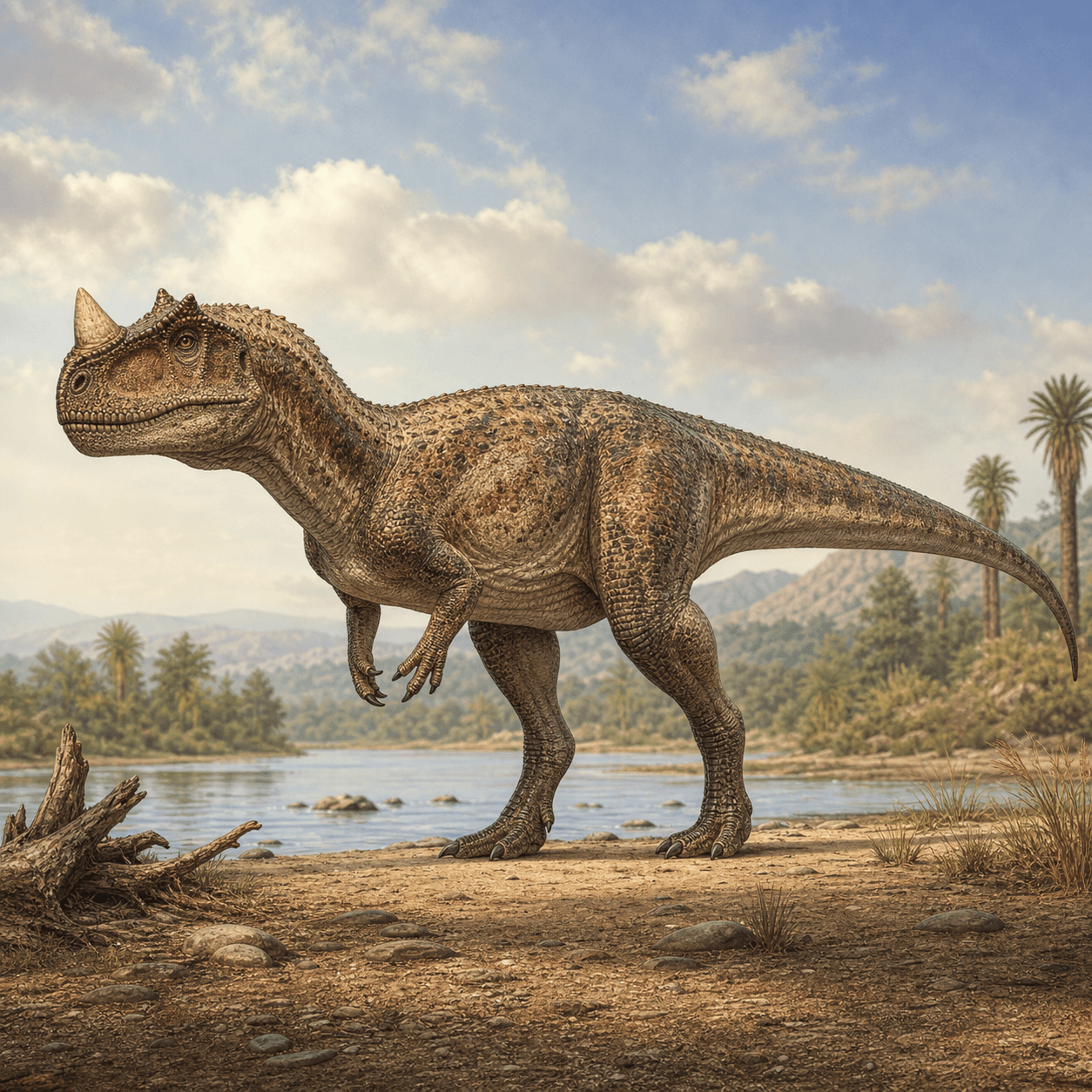
Illustrated reconstruction of CeratosaurusIllustration
Plate 18 · illustration onlyFA·CERA·1883
Classification
Theropod dinosaur
Family
Ceratosauridae
Genus / Species
Ceratosaurus nasicornis
Diet
Carnivore
Range
Late Jurassic records from the Morrison Formation plus selected international records that connect Portugal, Tanzania, and Uruguay context in the source mix.
Quick provenance answer

Where have Ceratosaurus fossils been found?

Ceratosaurus fossil records in Fossil Atlas are mapped as selected modern discovery locations, with 24 source-backed records currently shown. Late Jurassic records from the Morrison Formation plus selected international records that connect Portugal, Tanzania, and Uruguay context in the source mix. Key mapped formations in the current dataset include Morrison Fm, Morrison, Tacuarembó. These pins are fossil record locations, not a complete ancient habitat map.

Mapped records
24
Modern range note
Late Jurassic records from the Morrison Formation plus selected international records that connect Portugal, Tanzania, and Uruguay context in the source mix.
Key formations
Morrison Fm, Morrison, Tacuarembó
Map caveat
Modern fossil locations, not ancient habitat.
Field account

Ceratosaurus was a medium to large Late Jurassic theropod with a distinctive horned skull. Fossil Atlas uses selected records to connect the Morrison Formation with other Jurassic localities, while treating international pins as source-backed discovery records rather than a complete range map.

Built to scale

Size against a person

Drawn true to scale on a metre ruler.

0 m2468101214161820222426
Ceratosaurus, 6.7 m (22 ft)Adult human, 1.8 m4× longer than a person is tall
Field measurements

Measurements & capabilities

MeasuredEstimate

Length

measured

6.7 m · 22 ft

Largest known specimens

Height

measured

2.1 m (7 ft)

Body mass

estimate

700 kg · 1,540 lb

Typical adult

Top speed

estimate

40 km/h · 25 mph

Modelled, debated

Life & behaviour

How Ceratosaurus lived

Ceratosaurus was a medium-sized theropod that occupied a predator niche below Allosaurus in the Morrison ecosystem. Its nasal horn and brow ridges set it apart visually from every other Morrison theropod. The horn was probably used in display or intraspecific rivalry rather than as a weapon against prey. Ceratosaurus had more tail flexibility and slightly different limb proportions from Allosaurus, suggesting a somewhat different hunting style.

The horn

A single horn on the nasal bones, flanked by smaller ridges above the eyes. No evidence supports its use against prey; it was most likely a display structure for recognising or competing with other Ceratosaurus.

The teeth

Large, blade-like, and serrated, similar to Allosaurus in function. Ceratosaurus could tackle substantial prey but was not built for the largest Morrison prey items.

Distribution

Known from the Morrison Formation in North America and from Late Jurassic deposits in Portugal, Tanzania, and possibly Uruguay, making it the most geographically widespread Morrison-era predator.

Build

A longer relative tail and slightly different limb proportions from Allosaurus. Some researchers have suggested an affinity for wetter habitats based on its distribution and anatomy.

Known from

Fossil evidence

01Skulls
02Teeth
03Partial skeletons
04Horned skull material
Key formations
Morrison FmMorrisonTacuarembóTendaguruLourinhãAlcobaça
Geologic timeline

When they lived

Position of this animal’s known range across 252 million years of the Mesozoic and beyond.

252 MaToday

153-145 million years ago

From the notebook

Field notes

01

Ceratosaurus had a distinctive nasal horn and bony ornaments above the eyes.

02

Its record appears in both North American and European Late Jurassic fossil contexts.

03

Fossil Atlas uses its records to make the Jurassic predator set less Allosaurus-only.

Discovery & debate

How we know Ceratosaurus

Marshall Parker Felch collected the first good Ceratosaurus skeleton at Garden Park, Colorado in 1883 and Marsh described it the same year. The discovery provided one of the first near-complete Morrison theropod skeletons and helped establish what a large Jurassic predator looked like before Allosaurus was equally well understood. Ceratosaurus material from Portugal and Tanzania has since helped researchers trace the distribution of the group across the Late Jurassic landmasses.

Same family

Close relatives

Other members of Ceratosauridae.

Modern discovery map

Ceratosaurus fossil discovery map

Pins show selected fossil records for Ceratosaurus; use them as modern discovery evidence, not a complete range map. Modern fossil discovery map: pins show where selected fossil and specimen records were found today, not ancient Earth positions. What does this mean?

Modern Fossil Discovery Map

Specimen evidence

Museum images and 3D records

These are sourced specimen assets, separate from reconstruction artwork. Only media with clear open or reusable rights is displayed by default.

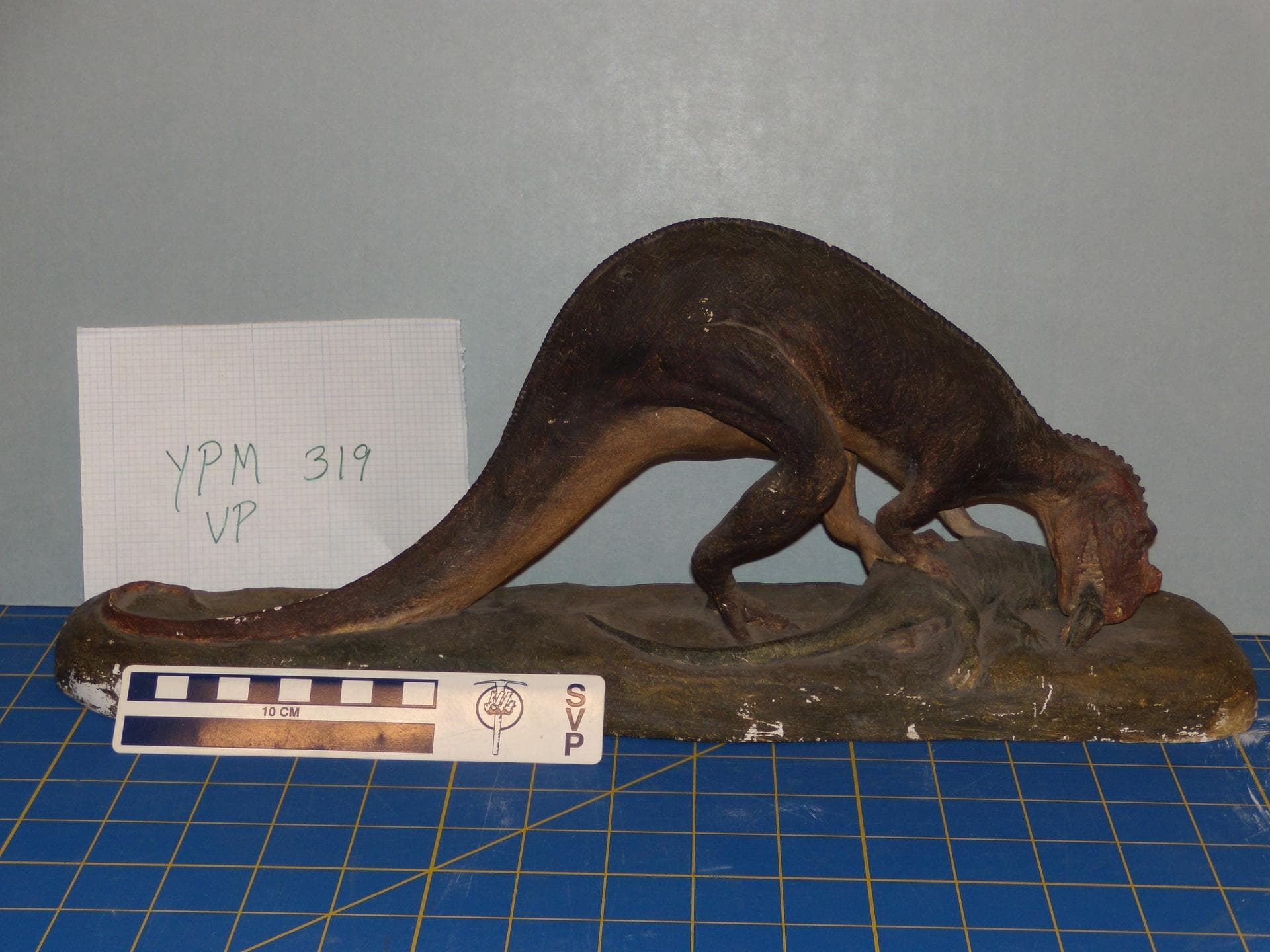
Ceratosaurus sp. (YPM VP 000319). Digital Image: Yale Peabody Museum; photo by Division of Vertebrate Paleontology, Yale Peabody Museum 2016
Specimen image

Ceratosaurus sp. (YPM VP 000319). Digital Image: Yale Peabody Museum; photo by Division of Vertebrate Paleontology, Yale Peabody Museum 2016

Division of Vertebrate Paleontology, Yale Peabody Museum

CC0idigbio
View source
Research notes

Ceratosaurus fossil map FAQ

Where have Ceratosaurus fossils been found?

Ceratosaurus is represented here by selected fossil records from late jurassic records from the morrison formation plus selected international records that connect portugal, tanzania, and uruguay context in the source mix. Fossil Atlas maps those records as modern discovery locations.

Is this map where Ceratosaurus lived?

No. The map shows modern fossil discovery locations from selected records. Ancient habitat and paleogeographic reconstructions are separate questions.

What formation is Ceratosaurus associated with here?

The current Fossil Atlas records include Morrison Fm. Formation coverage depends on the selected dataset and may not be complete.

Can I make a Ceratosaurus expedition card?

Yes. Use the expedition card generator to turn the Ceratosaurus map and specimen profile into a shareable card.

Data sources

Attribution

Caveats

Important notes

Selected fossil records from PBDB and museum biodiversity aggregators. This is not a complete fossil count by country; source labels and confidence notes help distinguish canonical paleobiology records from specimen-media records.

Reconstruction images are labeled illustrations and do not represent fossil evidence. Size, speed, and bite-force figures are typical published estimates and remain subject to revision as new specimens are described.

Trust note

Selected source-backed records

Maps use curated PBDB, museum, and specimen-source records with visible caveats.

Trust note

Modern discovery locations

Pins show where fossils were found or reported today, not exact ancient habitat positions.

Trust note

Reconstruction is not evidence

Artwork is labeled separately from specimen photos, maps, and source records.

Request desk

Request the next dinosaur map

Request another dinosaur like Ceratosaurus, submit a correction, or tell us what would make this page useful as a printable card.

Tell us which dinosaur or fossil site to map next, flag a correction, suggest a new pin, or request a card pack. Hit the button to open a prefilled email. We read every one.

Email request