Where have Stegosaurus fossils been found?
Stegosaurus is represented here by selected fossil records from western north america, especially morrison formation fossil localities. Fossil Atlas maps those records as modern discovery locations.
“The Plated Puzzle of the Morrison”
Binomial Stegosaurus stenops · STEG-oh-SORE-us
Late Jurassic - 155-145 Ma
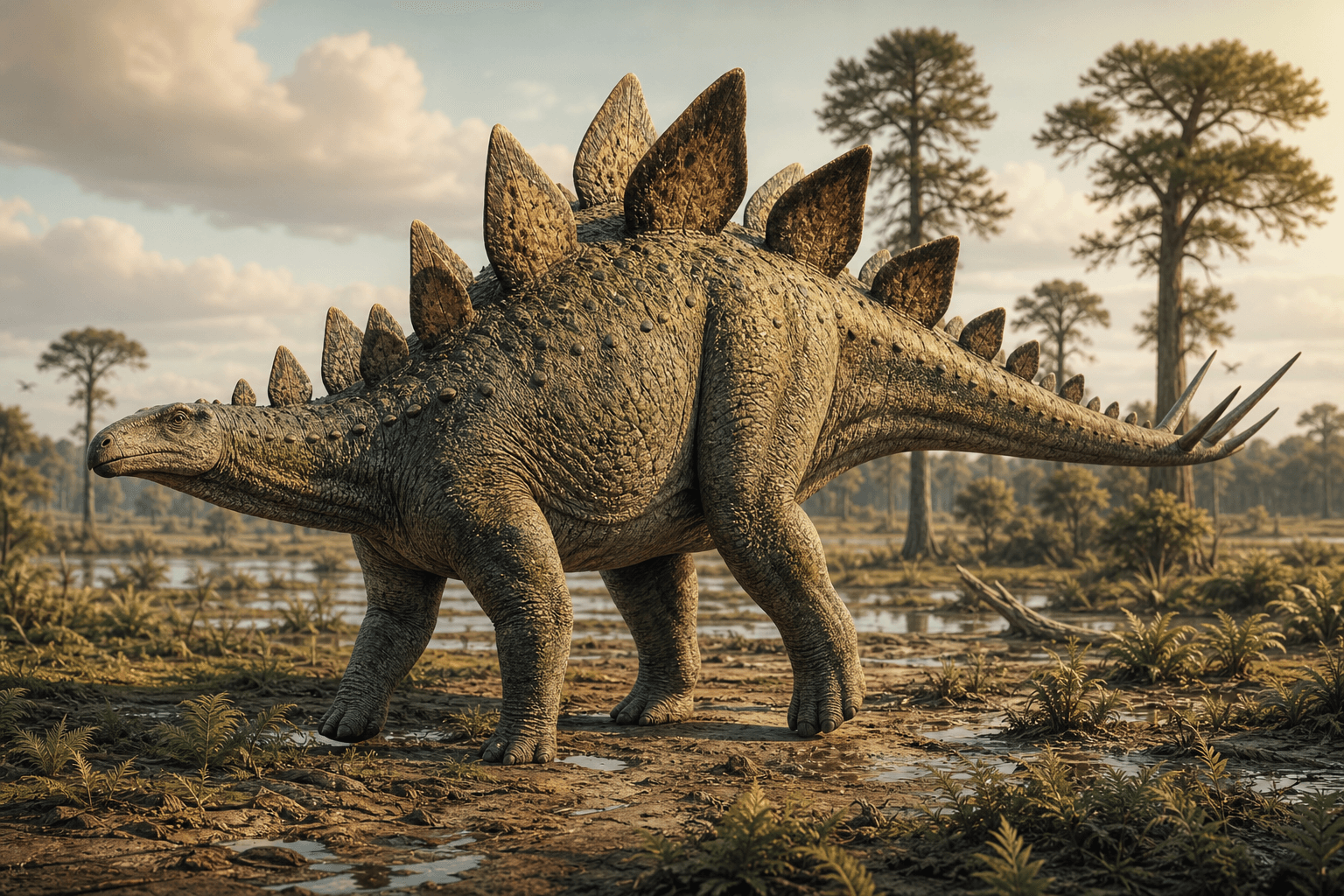 Illustration
Stegosaurus fossil records in Fossil Atlas are mapped as selected modern discovery locations, with 70 source-backed records currently shown. Western North America, especially Morrison Formation fossil localities. Key mapped formations in the current dataset include Morrison Fm, Morrison, Praia da Amoreira-Porto Novo. These pins are fossil record locations, not a complete ancient habitat map.
Stegosaurus was a herbivorous thyreophoran dinosaur from the Late Jurassic of western North America. Fossil Atlas maps selected records dominated by Morrison Formation localities, with additional records from related source data. It is famous for the upright plates along its back and the four spikes at the end of its tail. The tail spikes were defensive weapons, while the plates have been interpreted as display structures, species-recognition signals, or possible thermoregulatory surfaces. Stegosaurus walked on four legs and used a toothless beak and small cheek teeth to crop low vegetation. The fossil map should be read as a set of modern discovery records, not a complete reconstruction of its Jurassic range.
Drawn true to scale on a metre ruler.
Length
measured9 m · 30 ft
Largest known specimens
Height
measured4.3 m (14 ft) including plates
Body mass
estimate3,600 kg · 8,000 lb
Typical adult
Top speed
estimate11 km/h · 7 mph
Modelled, debated
Brain : body (EQ)
estimate0.1
Encephalization quotient
Stegosaurus was a slow-moving herbivore that cropped low vegetation with its toothless beak and processed it with small cheek teeth further back. It shared the Morrison landscape with large predators and enormous sauropods, occupying a distinct low-browsing niche. Its plates and tail spikes are the features most studied, and neither function is fully resolved.
The plates
Two alternating rows of upright bony plates along the back, embedded in skin rather than attached to the spine. Whether they were for display, species recognition, or temperature regulation is still debated.
The thagomizer
Four horizontal spikes at the tail tip. An Allosaurus vertebra with a healed wound matching the spike dimensions provides direct evidence that these were used in active defense.
Feeding
A beak at the front and small, weak cheek teeth suggest a soft-plant diet. Stegosaurus could not process the tough vegetation that large sauropods ate.
Build
Small head relative to body, short forelimbs, and a strongly arched back. Not a fast animal, but difficult to attack from behind due to the tail spikes.
Position of this animal’s known range across 252 million years of the Mesozoic and beyond.
155-145 million years ago
Stegosaurus had a small brain relative to its body size, a point often exaggerated in older popular accounts.
The plates on its back may have been used for display, species recognition, or thermoregulation.
The four tail spikes, often called the thagomizer, could injure predators.
Stegosaurus lived in ecosystems that also included animals such as Allosaurus, Apatosaurus, and Diplodocus.
Most Fossil Atlas Stegosaurus records are tied to Morrison Formation localities.
The plates were embedded in the skin rather than directly fused to the backbone.
The name Stegosaurus means 'roofed lizard,' based on an early mistaken interpretation of its plates.
Othniel Charles Marsh described Stegosaurus in 1877 from Morrison Formation material collected during the competitive fossil-hunting period known as the Bone Wars. Early reconstructions placed the plates flat along the back like roof tiles, which is where the name roofed lizard came from. Later work corrected that interpretation. A well-preserved specimen found in Wyoming in 1992, nicknamed Sophie, provided detailed plate and skeletal information that has since informed most reconstructions.
Animals known from the same deposits and time as Stegosaurus.
Allosaurus
The main large predator of the Morrison Formation and the most likely source of the healed puncture wound found in an Allosaurus vertebra that matches Stegosaurus tail spikes.
Apatosaurus
A massive sauropod sharing the same floodplain ecosystems, occupying a very different feeding niche.
Camarasaurus
The most common Morrison sauropod, with different teeth and a different browsing height from Stegosaurus.
Other members of Stegosauridae.
Kentrosaurus
An East African stegosaurid with more spikes and smaller plates, known from Tanzania's Tendaguru beds and roughly contemporary with Stegosaurus.
Dacentrurus
A European stegosaurid from the Late Jurassic of Portugal, showing the family was geographically widespread.
Hesperosaurus
A slightly earlier Morrison stegosaurid that helps fill in the North American family history before Stegosaurus itself appears.
Pins show selected fossil records for Stegosaurus; use them as modern discovery evidence, not a complete range map. Modern fossil discovery map: pins show where selected fossil and specimen records were found today, not ancient Earth positions. What does this mean?
Specimen evidence
These are sourced specimen assets, separate from reconstruction artwork. Only media with clear open or reusable rights is displayed by default.
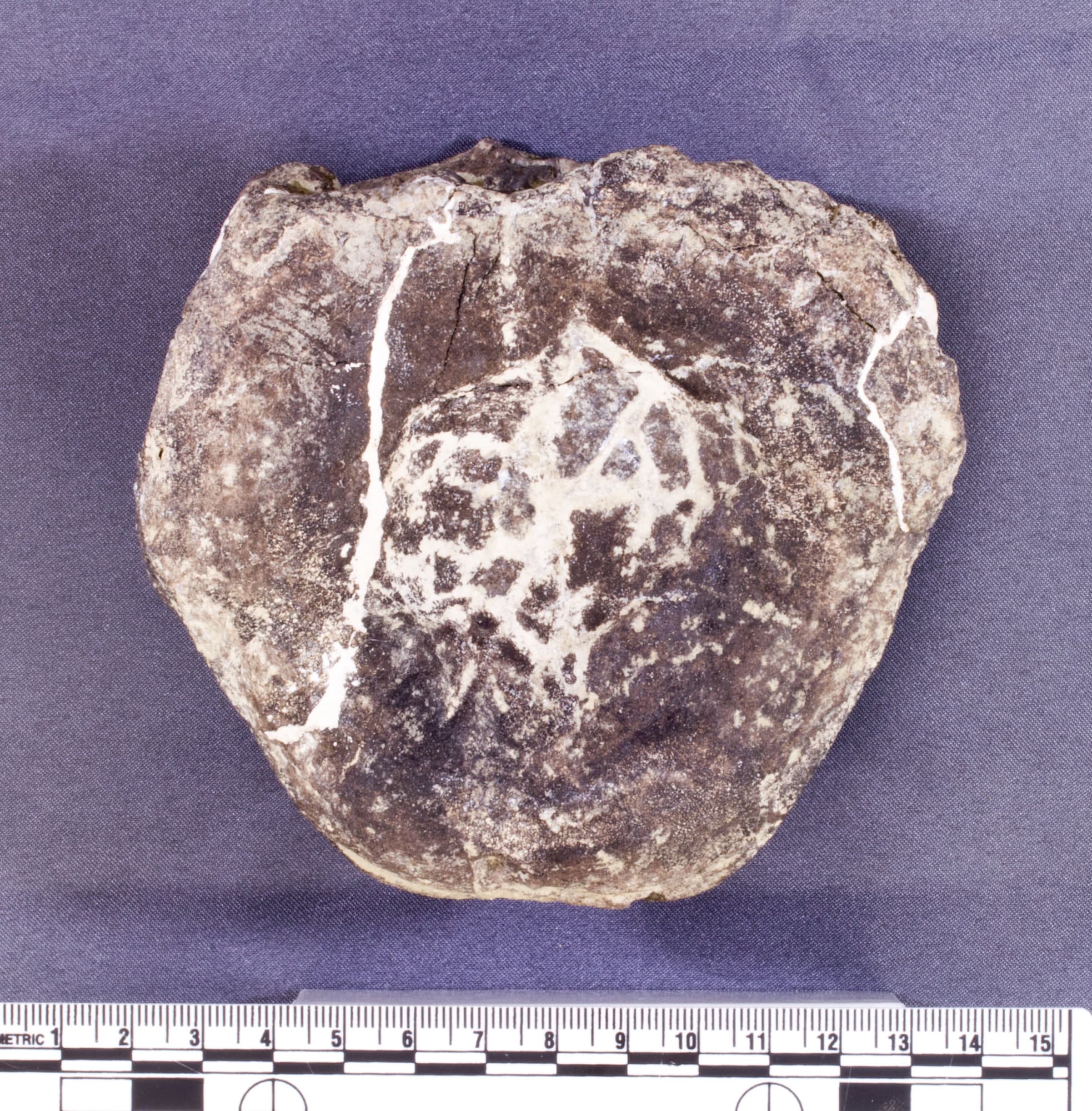
USNM V 8410_1
Michael Brett-Surman
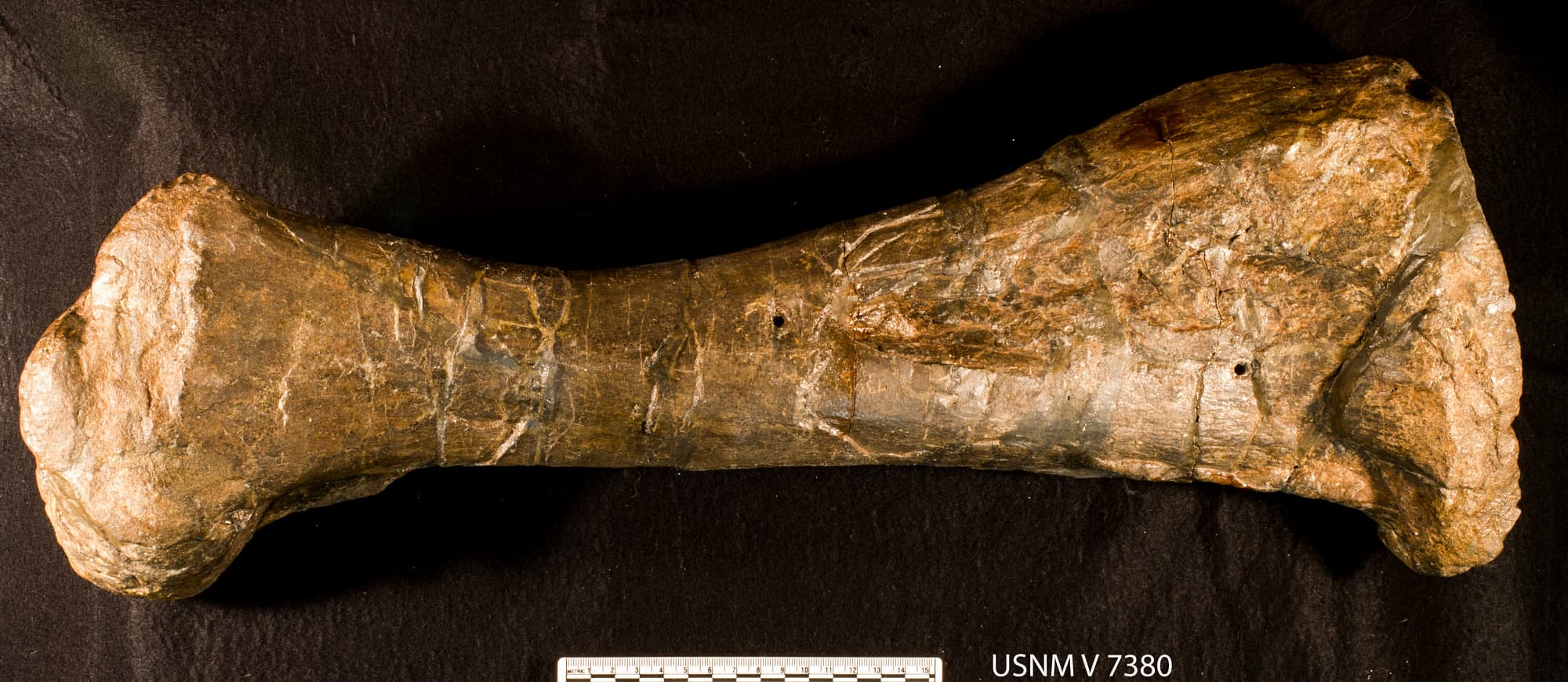
USNM V 7380_4
Specimen from Department of Paleobiology, NMNH, Smithsonian Institution, Michael Brett-Surman
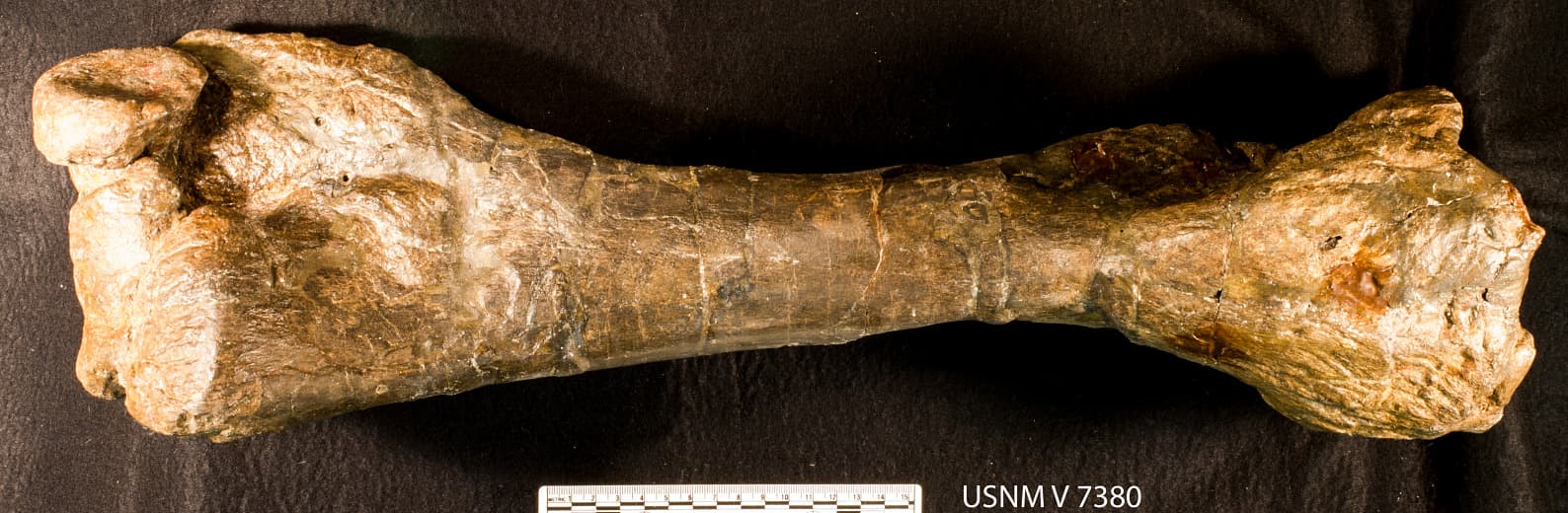
USNM V 7380_5
Specimen from Department of Paleobiology, NMNH, Smithsonian Institution, Michael Brett-Surman
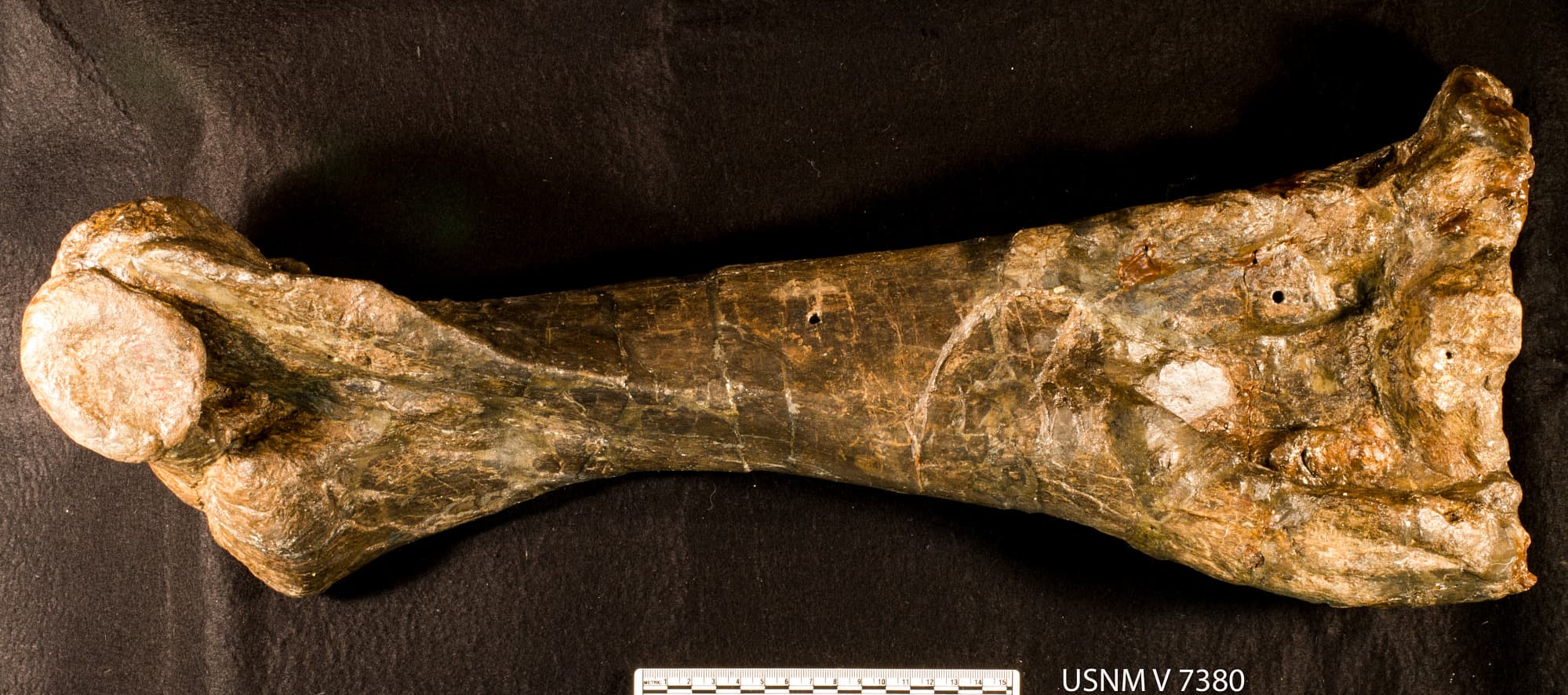
USNM V 7380_3
Specimen from Department of Paleobiology, NMNH, Smithsonian Institution, Michael Brett-Surman
Stegosaurus is represented here by selected fossil records from western north america, especially morrison formation fossil localities. Fossil Atlas maps those records as modern discovery locations.
No. The map shows modern fossil discovery locations from selected records. Ancient habitat and paleogeographic reconstructions are separate questions.
The current Fossil Atlas records include Morrison Fm. Formation coverage depends on the selected dataset and may not be complete.
Yes. Use the expedition card generator to turn the Stegosaurus map and specimen profile into a shareable card.
Selected fossil records from PBDB and museum biodiversity aggregators. This is not a complete fossil count by country; source labels and confidence notes help distinguish canonical paleobiology records from specimen-media records.
Reconstruction images are labeled illustrations and do not represent fossil evidence. Size, speed, and bite-force figures are typical published estimates and remain subject to revision as new specimens are described.
Maps use curated PBDB, museum, and specimen-source records with visible caveats.
Pins show where fossils were found or reported today, not exact ancient habitat positions.
Artwork is labeled separately from specimen photos, maps, and source records.
Request desk
Request another dinosaur like Stegosaurus, submit a correction, or tell us what would make this page useful as a printable card.
Tell us which dinosaur or fossil site to map next, flag a correction, suggest a new pin, or request a card pack. Hit the button to open a prefilled email. We read every one.
Email request