Atlas MapSpecimensHotspots
Fossil Atlas: Specimen ProfileCatalog FA·EDMO·1892
Plate 10 · Herbivore

EdmontosaurusFossil map and specimen profile

The Great Herd Animal of the Cretaceous Floodplains

Binomial Edmontosaurus annectens · ed-MON-toh-SOR-us

Late Cretaceous · 73-66 Ma

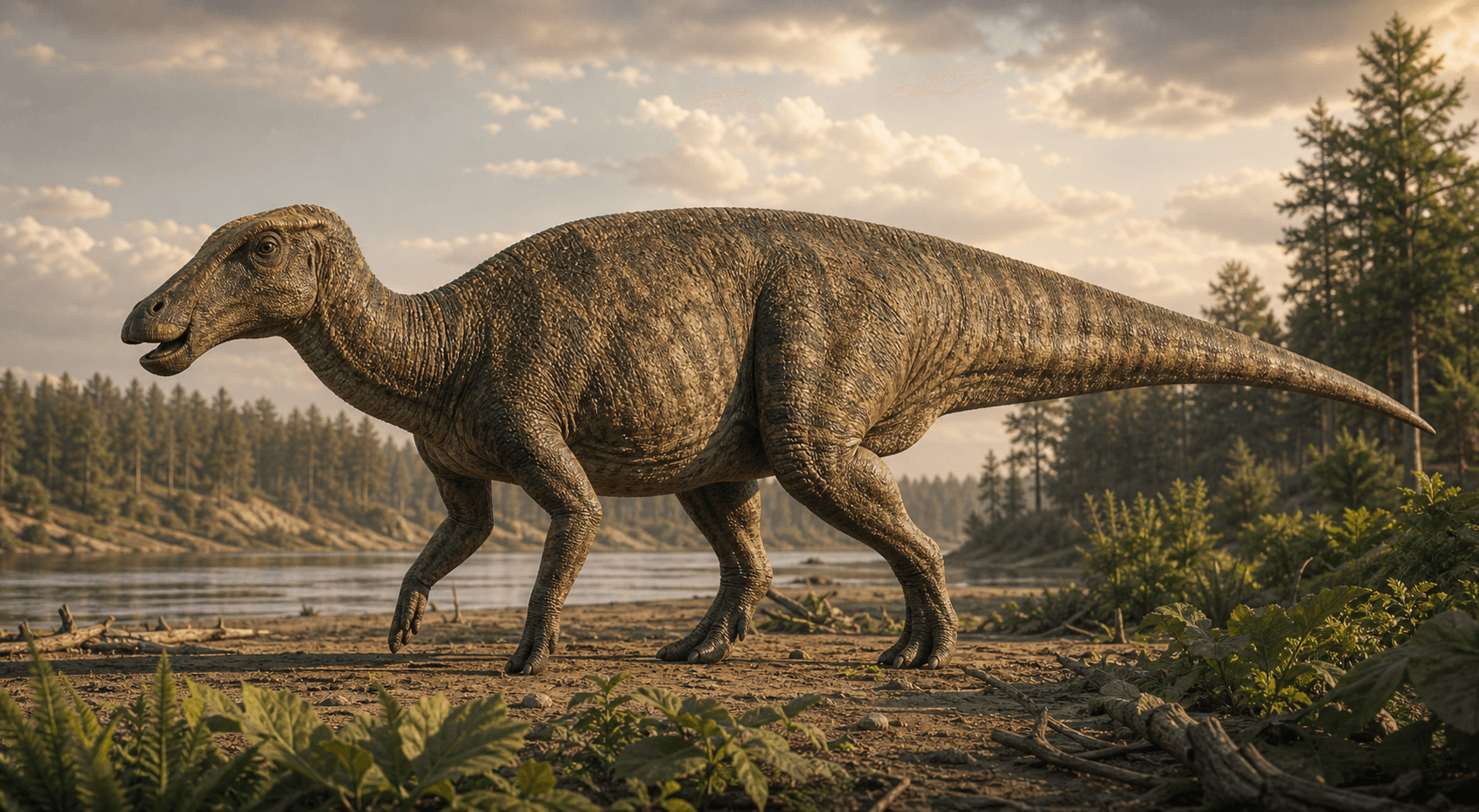
Illustrated reconstruction of EdmontosaurusIllustration
Plate 10 · illustration onlyFA·EDMO·1892
Classification
Hadrosaur dinosaur
Family
Hadrosauridae
Genus / Species
Edmontosaurus annectens
Diet
Herbivore
Range
Known from Late Cretaceous western North America, including Hell Creek, Lance, Frenchman, Horseshoe Canyon, and related units.
Quick provenance answer

Where have Edmontosaurus fossils been found?

Edmontosaurus fossil records in Fossil Atlas are mapped as selected modern discovery locations, with 55 source-backed records currently shown. Known from Late Cretaceous western North America, including Hell Creek, Lance, Frenchman, Horseshoe Canyon, and related units. Key mapped formations in the current dataset include Hell Creek Formation, Lance Fm, Lance Formation?. These pins are fossil record locations, not a complete ancient habitat map.

Mapped records
55
Modern range note
Known from Late Cretaceous western North America, including Hell Creek, Lance, Frenchman, Horseshoe Canyon, and related units.
Key formations
Hell Creek Formation, Lance Fm, Lance Formation?
Map caveat
Modern fossil locations, not ancient habitat.
Field account

Edmontosaurus was a large hadrosaur, or duck-billed dinosaur, from Late Cretaceous North America. It is less flashy than horned or predatory dinosaurs, but it is crucial for understanding the plant-eating side of latest Cretaceous ecosystems. Fossil Atlas maps selected records and links them to formations where available.

Built to scale

Size against a person

Drawn true to scale on a metre ruler.

0 m2468101214161820222426
Edmontosaurus, 12 m · 39 ftAdult human, 1.8 m7× longer than a person is tall
Field measurements

Measurements & capabilities

MeasuredEstimate

Length

measured

12 m · 39 ft

Largest known specimens

Height

measured

3.0 m · 10 ft

Body mass

estimate

4,000 kg · 8,800 lb

Typical adult

Top speed

estimate

40 km/h · 25 mph

Modelled, debated

Teeth

measured

≈ 1000

Brain : body (EQ)

estimate

1.1

Encephalization quotient

Life & behaviour

How Edmontosaurus lived

Edmontosaurus was one of the most abundant large herbivores in latest Cretaceous North America. Its dental battery, with up to a thousand teeth stacked in self-replacing columns, could grind coarse vegetation that most other dinosaurs could not process. It was probably a herd animal, and some evidence suggests seasonal migration across the Laramidian coastal plains.

Dental battery

Hundreds of tightly packed teeth forming a flat grinding surface, constantly replaced from below as old ones wore down. One of the most efficient plant-processing systems among non-avian dinosaurs.

Feeding

A duck-like beak for cropping, backed by the tooth battery for grinding. Edmontosaurus could handle tougher plant material than most contemporaries.

Skin

Several specimens preserve skin impressions showing a pebbly texture without armor. One mummified specimen from Wyoming even preserves soft tissue.

Fleshy comb

Some specimens preserve the outline of a fleshy comb or crest on the head, not made of bone and therefore rarely preserved. Its function is unknown.

Known from

Fossil evidence

01Skulls
02Duck-billed jaws
03Dental batteries
04Limb bones
05Skin impressions
Key formations
Hell Creek FormationLance FmLance Formation?Lance FormationLanceHell CreekHorseshoe CanyonWapitiMarshalltownSt. Mary RiverPrince CreekLaramieSchrader BluffBelly River
Geologic timeline

When they lived

Position of this animal’s known range across 252 million years of the Mesozoic and beyond.

252 MaToday

73-66 million years ago

From the notebook

Field notes

01

Edmontosaurus was a duck-billed dinosaur with dense tooth batteries.

02

Some specimens preserve skin impressions.

03

It gives Hell Creek a major plant-eating animal beyond horned dinosaurs.

04

Edmontosaurus records are useful for classroom ecosystem comparisons.

Discovery & debate

How we know Edmontosaurus

Lawrence Lambe named Edmontosaurus in 1917, though related specimens had been collected for decades. A mummified specimen collected in Wyoming in the early 1900s provided skin impressions and some soft tissue, making it one of the most detailed hadrosaur specimens known. A second mummified specimen, nicknamed Dakota, was found in North Dakota in 1999 and studied through CT scanning and chemical analysis, adding further detail to its anatomy and soft tissue.

Same family

Close relatives

Other members of Hadrosauridae.

Modern discovery map

Edmontosaurus fossil discovery map

Pins show selected fossil records for Edmontosaurus; use them as modern discovery evidence, not a complete range map. Modern fossil discovery map: pins show where selected fossil and specimen records were found today, not ancient Earth positions. What does this mean?

Modern Fossil Discovery Map

Specimen evidence

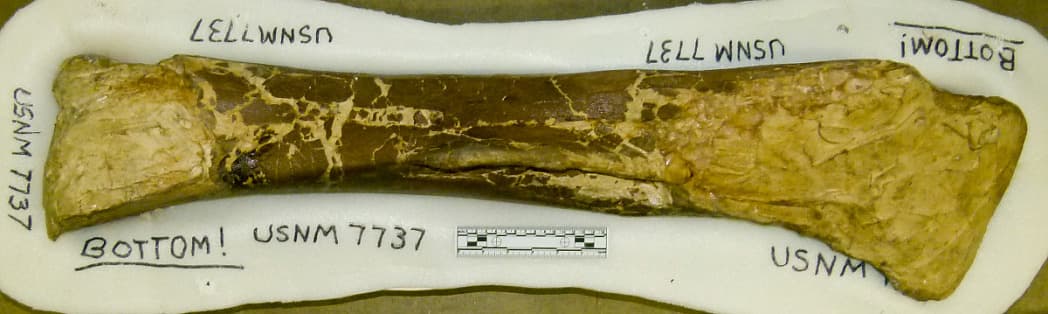
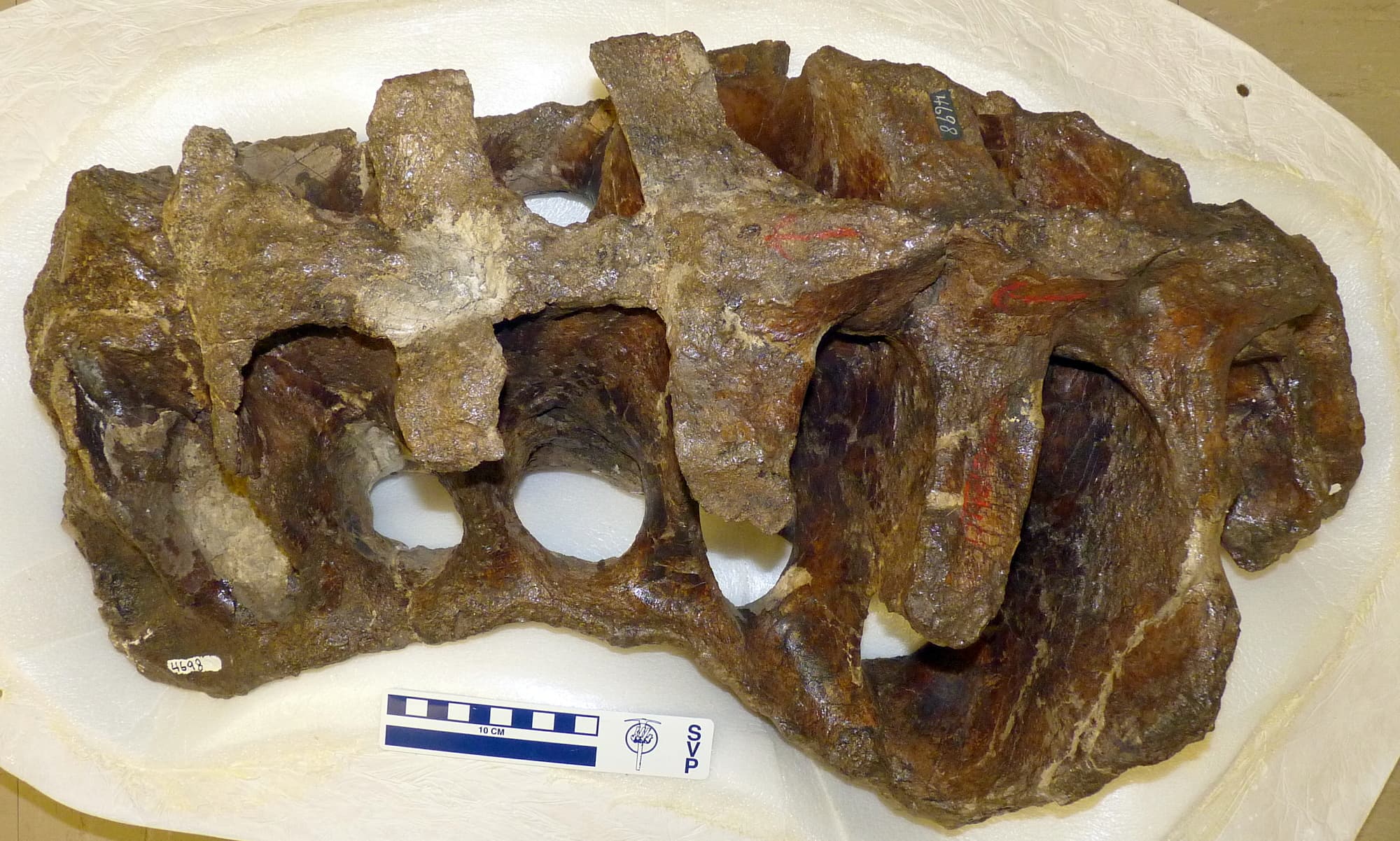
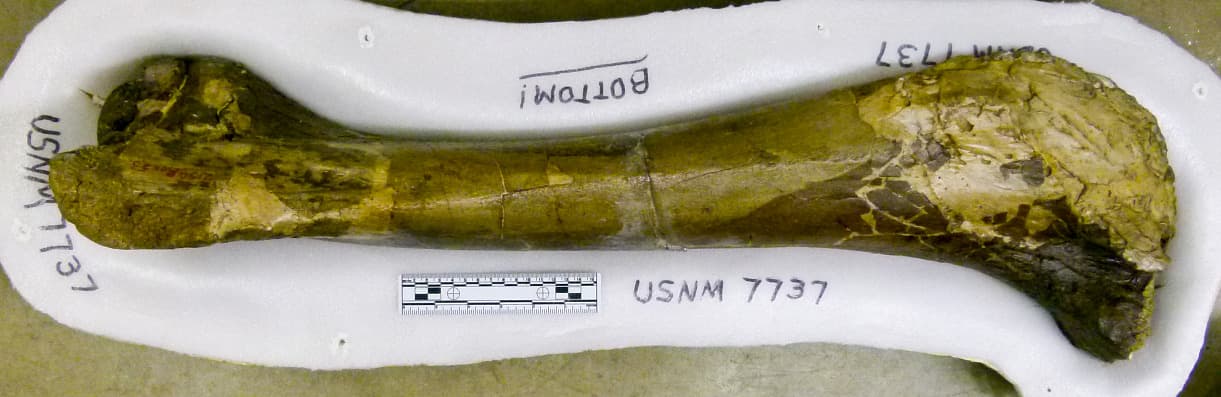
Museum images and 3D records

These are sourced specimen assets, separate from reconstruction artwork. Only media with clear open or reusable rights is displayed by default.

USNM V 7737 femur
Specimen image

USNM V 7737 femur

Michael Brett-Surman

CC0idigbio
View source
USNM V 4698_1
Specimen image

USNM V 4698_1

Michael Brett-Surman

CC0idigbio
View source
USNM V 7737 tibia
Specimen image

USNM V 7737 tibia

Michael Brett-Surman

CC0idigbio
View source
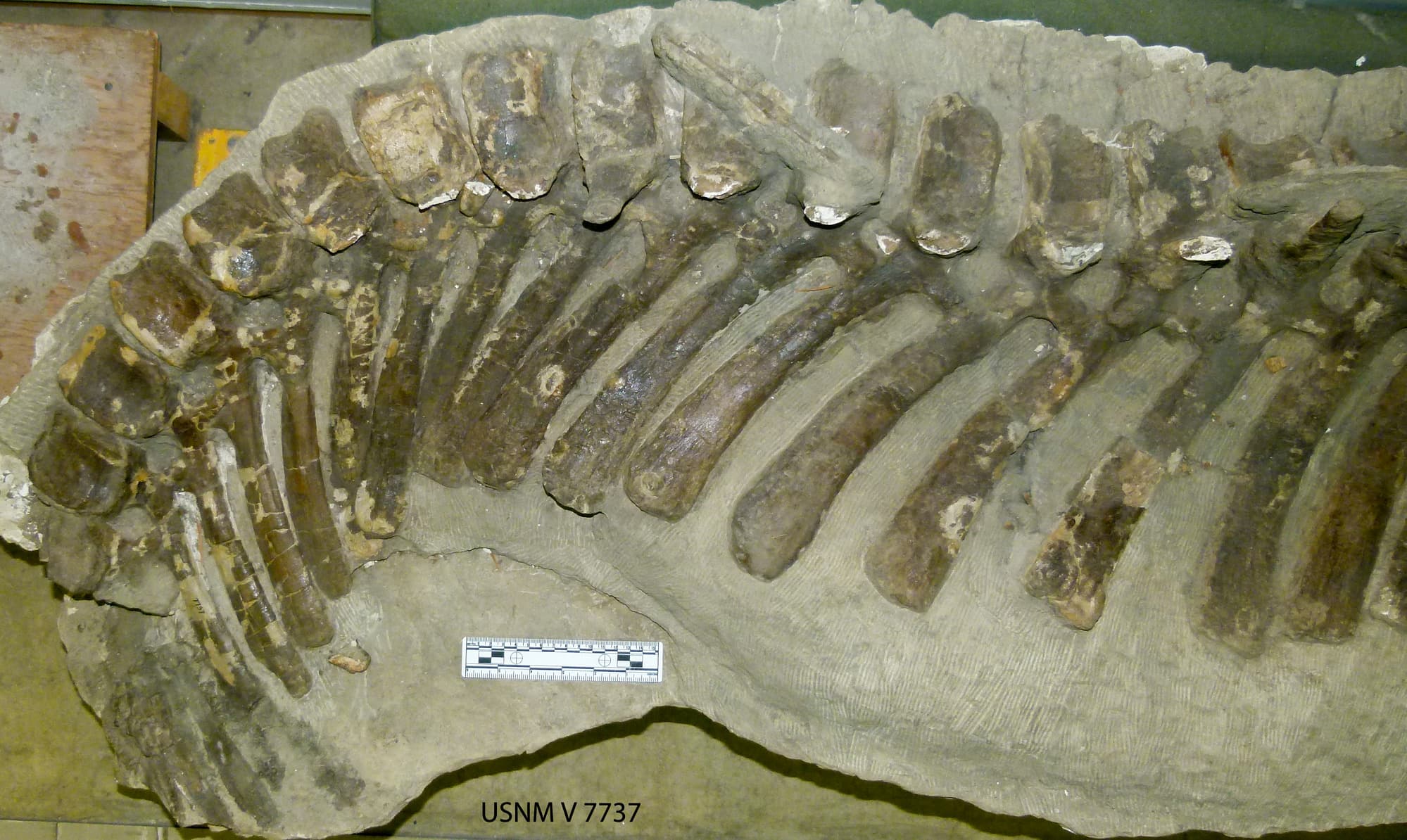
USNM V 7737 caudals 1
Specimen image

USNM V 7737 caudals 1

Michael Brett-Surman

CC0idigbio
View source
Research notes

Edmontosaurus fossil map FAQ

Where have Edmontosaurus fossils been found?

Edmontosaurus is represented here by selected fossil records from known from late cretaceous western north america, including hell creek, lance, frenchman, horseshoe canyon, and related units. Fossil Atlas maps those records as modern discovery locations.

Is this map where Edmontosaurus lived?

No. The map shows modern fossil discovery locations from selected records. Ancient habitat and paleogeographic reconstructions are separate questions.

What formation is Edmontosaurus associated with here?

The current Fossil Atlas records include Hell Creek Formation. Formation coverage depends on the selected dataset and may not be complete.

Can I make a Edmontosaurus expedition card?

Yes. Use the expedition card generator to turn the Edmontosaurus map and specimen profile into a shareable card.

Data sources

Attribution

Caveats

Important notes

Selected fossil records from PBDB and museum biodiversity aggregators. This is not a complete fossil count by country; source labels and confidence notes help distinguish canonical paleobiology records from specimen-media records.

Reconstruction images are labeled illustrations and do not represent fossil evidence. Size, speed, and bite-force figures are typical published estimates and remain subject to revision as new specimens are described.

Trust note

Selected source-backed records

Maps use curated PBDB, museum, and specimen-source records with visible caveats.

Trust note

Modern discovery locations

Pins show where fossils were found or reported today, not exact ancient habitat positions.

Trust note

Reconstruction is not evidence

Artwork is labeled separately from specimen photos, maps, and source records.

Request desk

Request the next dinosaur map

Request another dinosaur like Edmontosaurus, submit a correction, or tell us what would make this page useful as a printable card.

Tell us which dinosaur or fossil site to map next, flag a correction, suggest a new pin, or request a card pack. Hit the button to open a prefilled email. We read every one.

Email request