Fossil Atlas — Specimen ProfileCatalog FA·TYRA·1902
Plate 01 · Carnivore

Tyrannosaurus rexFossil map and specimen profile

Binomial Tyrannosaurus rex · tie-RAN-oh-SORE-us rex

Late Cretaceous - 68-66 Ma

Classification
Theropod dinosaur
Family
Tyrannosauridae
Genus / Species
Tyrannosaurus rex
Diet
Carnivore
Range
Western North America, with selected records from Hell Creek, Lance, Scollard, Frenchman, and related latest Cretaceous formations.
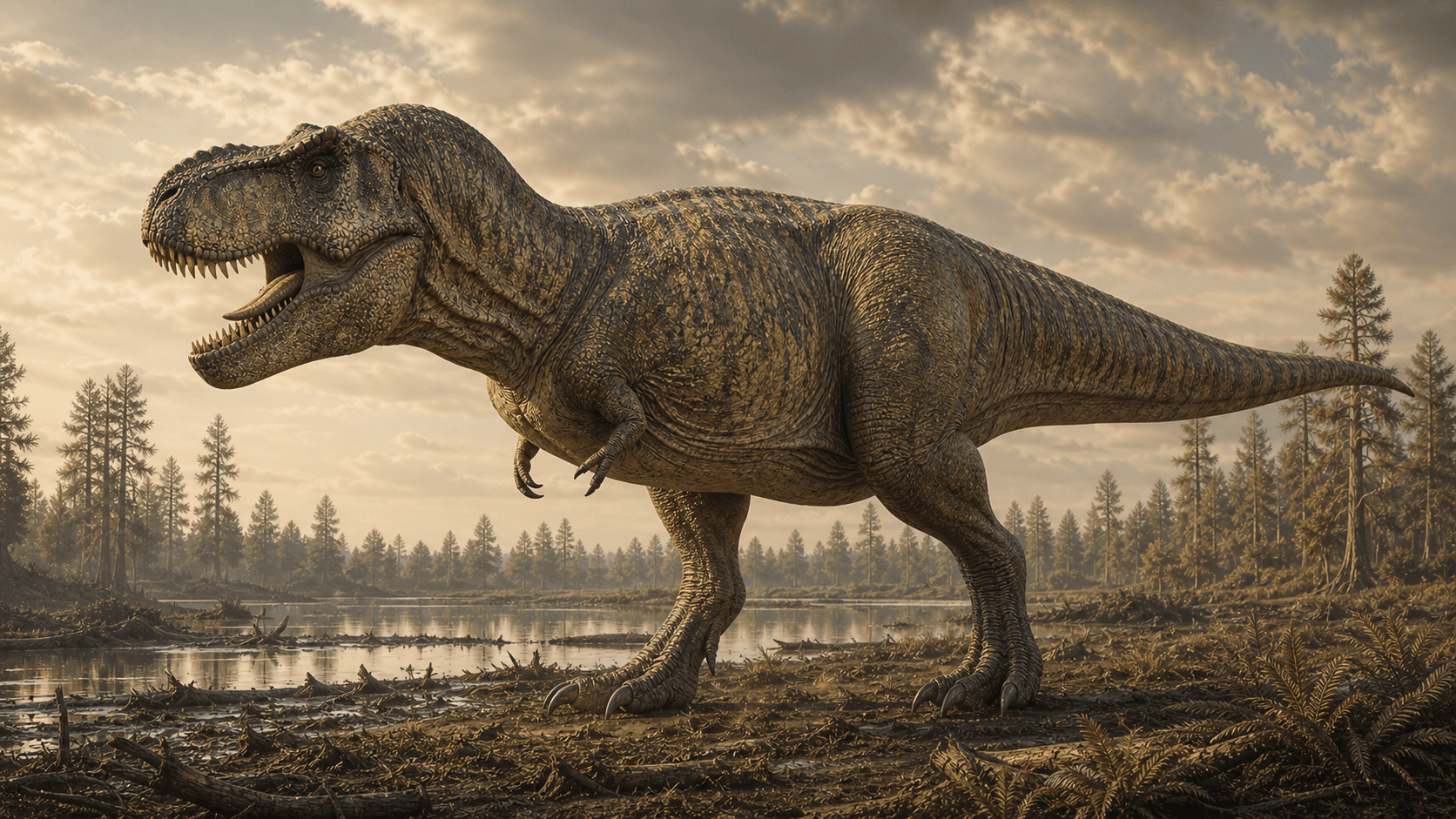
AI reconstruction of Tyrannosaurus rexAI reconstruction
Plate 01 — illustration, not fossil evidenceFA·TYRA·1902
Quick provenance answer

Where have Tyrannosaurus rex fossils been found?

Tyrannosaurus rex fossil records in Fossil Atlas are mapped as selected modern discovery locations, with 92 source-backed records currently shown. Western North America, with selected records from Hell Creek, Lance, Scollard, Frenchman, and related latest Cretaceous formations. Key mapped formations in the current dataset include Hell Creek Formation, Kirtland Formation, Ferris Fm.. These pins are fossil record locations, not a complete ancient habitat map.

This remains a specimen profile: the reconstruction, measurements, field account, and evidence sections stay intact. The fossil-map answer is surfaced here so visitors from search can orient themselves before reading the full dossier.

Mapped records
92
Modern range note
Western North America, with selected records from Hell Creek, Lance, Scollard, Frenchman, and related latest Cretaceous formations.
Key formations
Hell Creek Formation, Kirtland Formation, Ferris Fm.
Map caveat
Modern fossil locations, not ancient habitat.
Field account

Tyrannosaurus rex was one of the largest land carnivores of all time. It lived throughout what is now western North America, on the Late Cretaceous island continent known as Laramidia. Fossil Atlas maps selected records from formations such as Hell Creek, Lance, Scollard, Frenchman, Denver, and related units. T. rex was an apex predator and scavenger with a massive skull, deep jaws, and bone-crushing teeth. Its fossil record is unusually rich for a giant theropod, with skulls, isolated teeth, partial skeletons, and near-complete skeletons helping researchers study growth, bite mechanics, vision, and ecology. As with all Fossil Atlas maps, the pins show modern fossil discovery locations rather than a complete ancient habitat range.

Built to scale

Size against a person

Drawn true to scale on a metre ruler.

0 m2468101214161820222426
Tyrannosaurus rex12.3 m (40 ft)Adult human — 1.8 m7× longer than a person is tall
Field measurements

Measurements & capabilities

MeasuredEstimate

Length

measured

12.3 m · 40 ft

Largest known specimens

Height

measured

3.7 m (12 ft) at the hip

Body mass

estimate

8,400 kg · 18,500 lb

Typical adult

Top speed

estimate

27 km/h · 17 mph

Modelled, debated

Bite force

estimate

12,800 lbf

Teeth

measured

≈ 60

Brain : body (EQ)

estimate

1.6

Encephalization quotient

Known from

Fossil evidence

01Skulls
02Teeth
03Partial skeletons
04Near-complete skeletons
Key formations
Hell Creek FormationKirtland FormationFerris Fm.Hell Creek FmLance FmLance Fm.Hell CreekLanceLomas ColoradasWillow CreekScollardKirtlandDinosaur ParkLaramieDenverFrenchmanFerris
Geologic timeline

When they lived

Position of this animal’s known range across 252 million years of the Mesozoic and beyond.

252 MaToday

68-66 million years ago

From the notebook

Field notes

01

T. rex had one of the strongest estimated bite forces of any land animal, often modeled at up to about 12,800 pounds of pressure.

02

Biomechanical estimates for T. rex speed vary; Fossil Atlas treats running speed as modeled and debated.

03

The first partial skeleton was discovered by Barnum Brown in 1902 in Montana's Hell Creek Formation.

04

T. rex had forward-facing eyes that gave it strong binocular vision compared with many other dinosaurs.

05

A fully grown T. rex replaced teeth throughout its life, with new teeth growing in behind older ones.

06

The name Tyrannosaurus rex means 'tyrant lizard king.'

07

More than 50 T. rex specimens have been identified, making it unusually well represented for a giant theropod.

Modern discovery map

Tyrannosaurus rex fossil discovery map

Pins show selected fossil records for Tyrannosaurus rex; use them as modern discovery evidence, not a complete range map. Modern fossil discovery map: pins show where selected fossil and specimen records were found today, not ancient Earth positions. What does this mean?

Modern Fossil Discovery Map

Specimen evidence

Museum images and 3D records

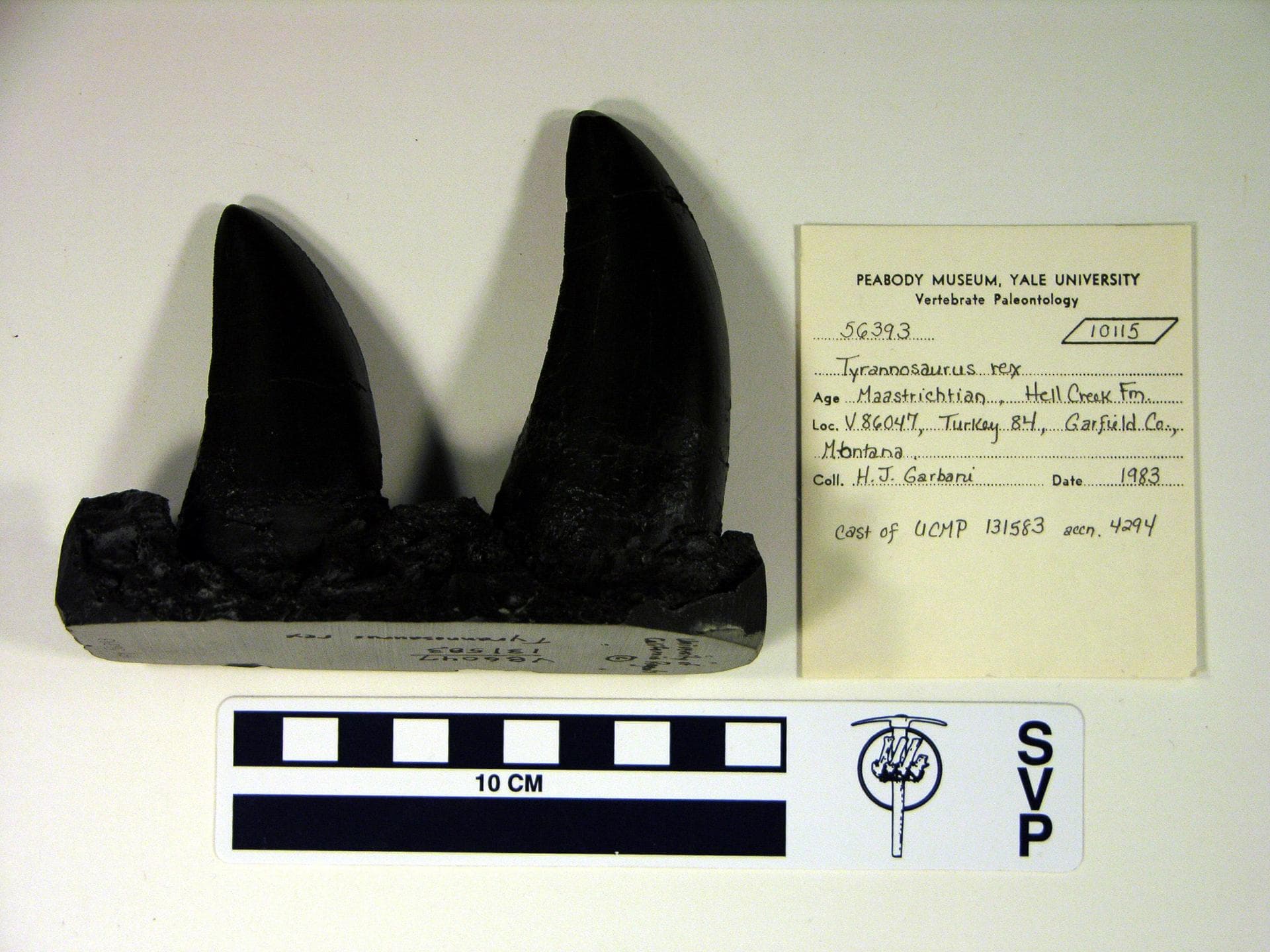
These are sourced specimen assets, separate from the AI reconstruction. Only media with clear open or reusable rights is displayed by default.

Tyrannosaurus rex (YPM VP 065830). Digital Image: Yale Peabody Museum; photo by Division of Vertebrate Paleontology, Yale Peabody Museum 2016
Specimen image

Tyrannosaurus rex (YPM VP 065830). Digital Image: Yale Peabody Museum; photo by Division of Vertebrate Paleontology, Yale Peabody Museum 2016

YPM · YPM VP 065830 · Division of Vertebrate Paleontology, Yale Peabody Museum

CC0gbif
View source
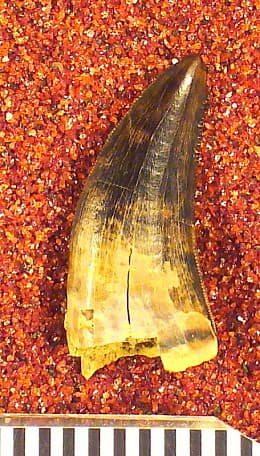
USNM PAL 537768_1
Specimen image

USNM PAL 537768_1

USNM · USNM PAL537768 · Michael Brett-Surman

CC0gbif
View source
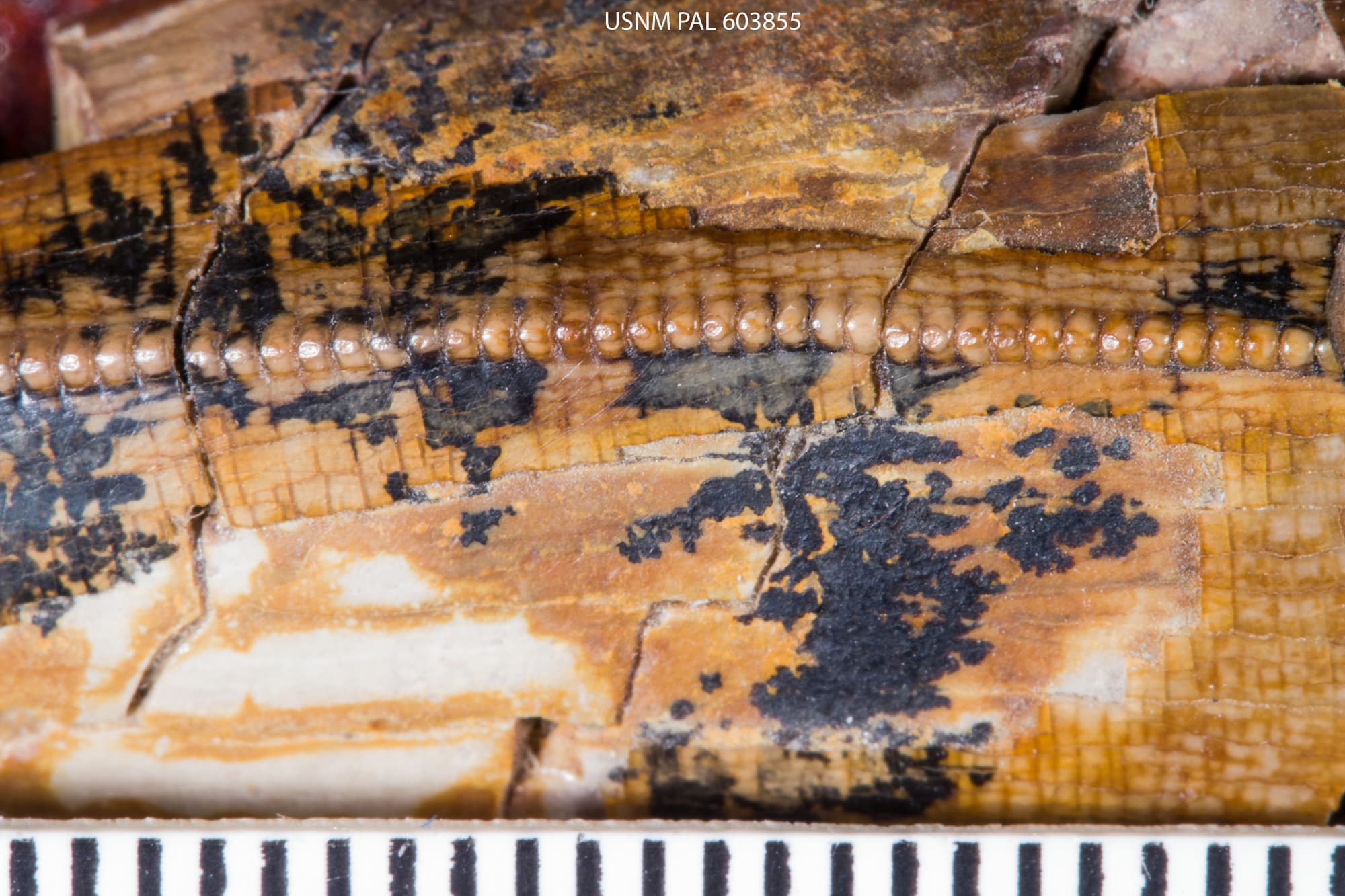
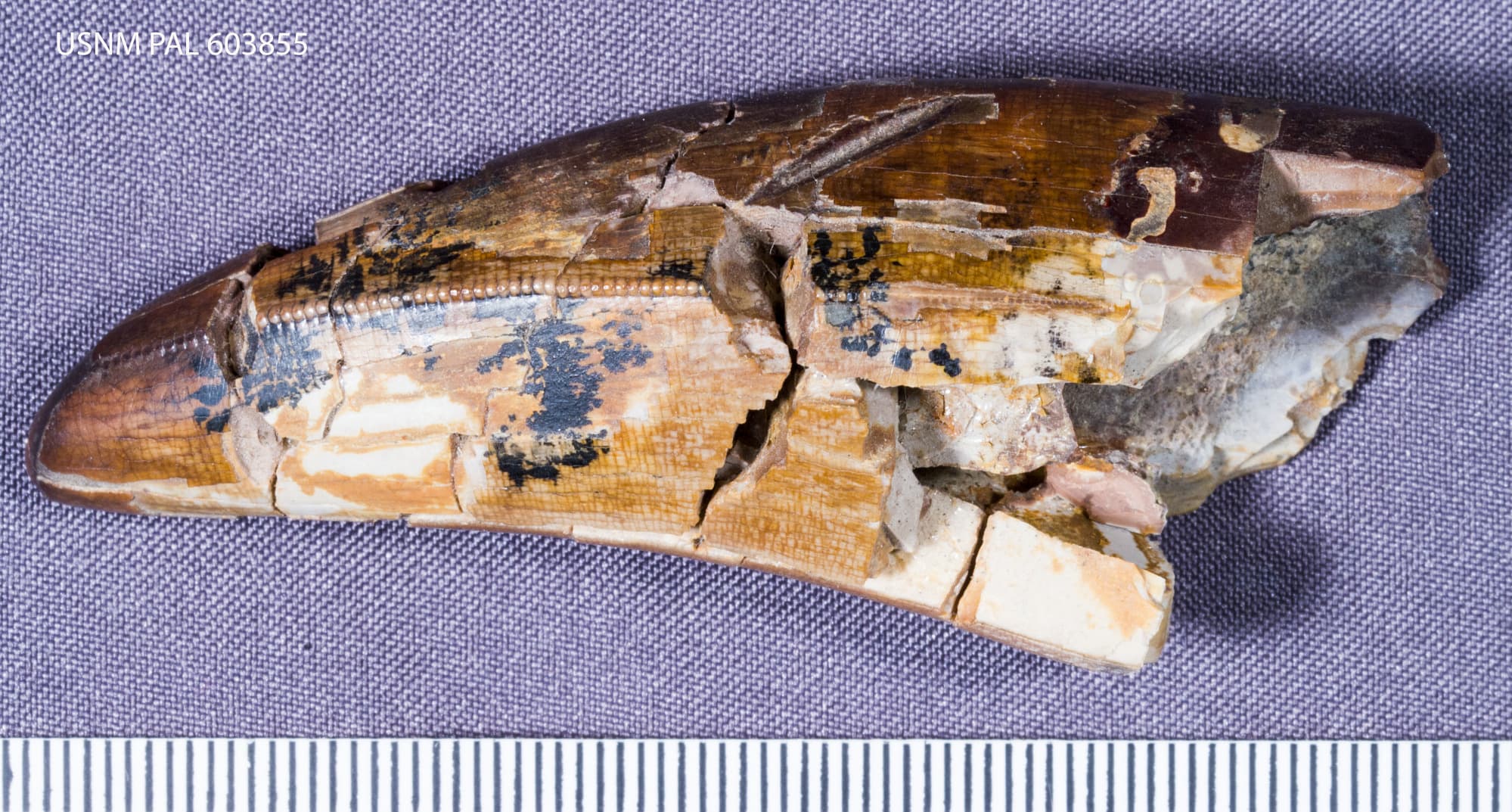
USNM PAL 603855_2
Specimen image

USNM PAL 603855_2

Michael Brett-Surman

CC0idigbio
View source
USNM PAL 603855_1
Specimen image

USNM PAL 603855_1

Michael Brett-Surman

CC0idigbio
View source
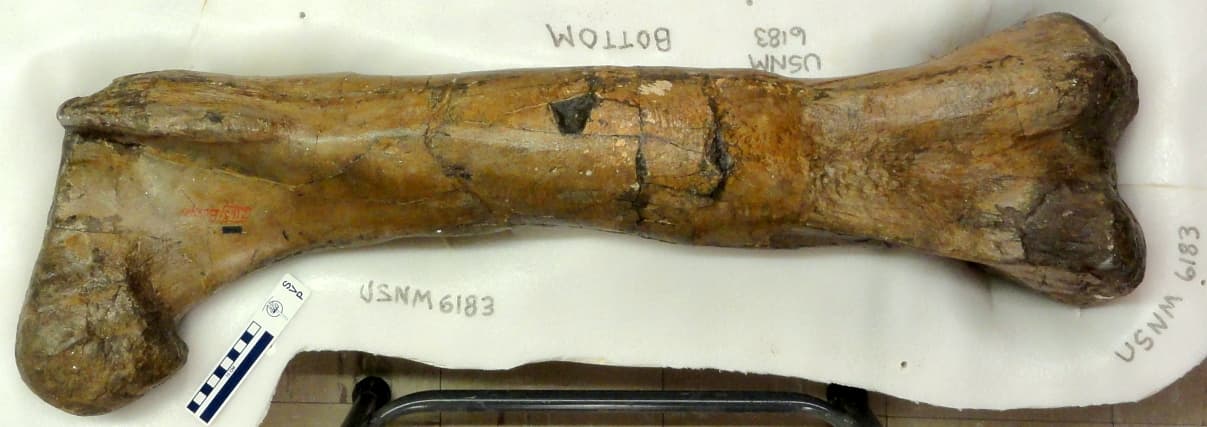
USNM V 6183_1
Specimen image

USNM V 6183_1

Michael Brett-Surman

CC0idigbio
View source
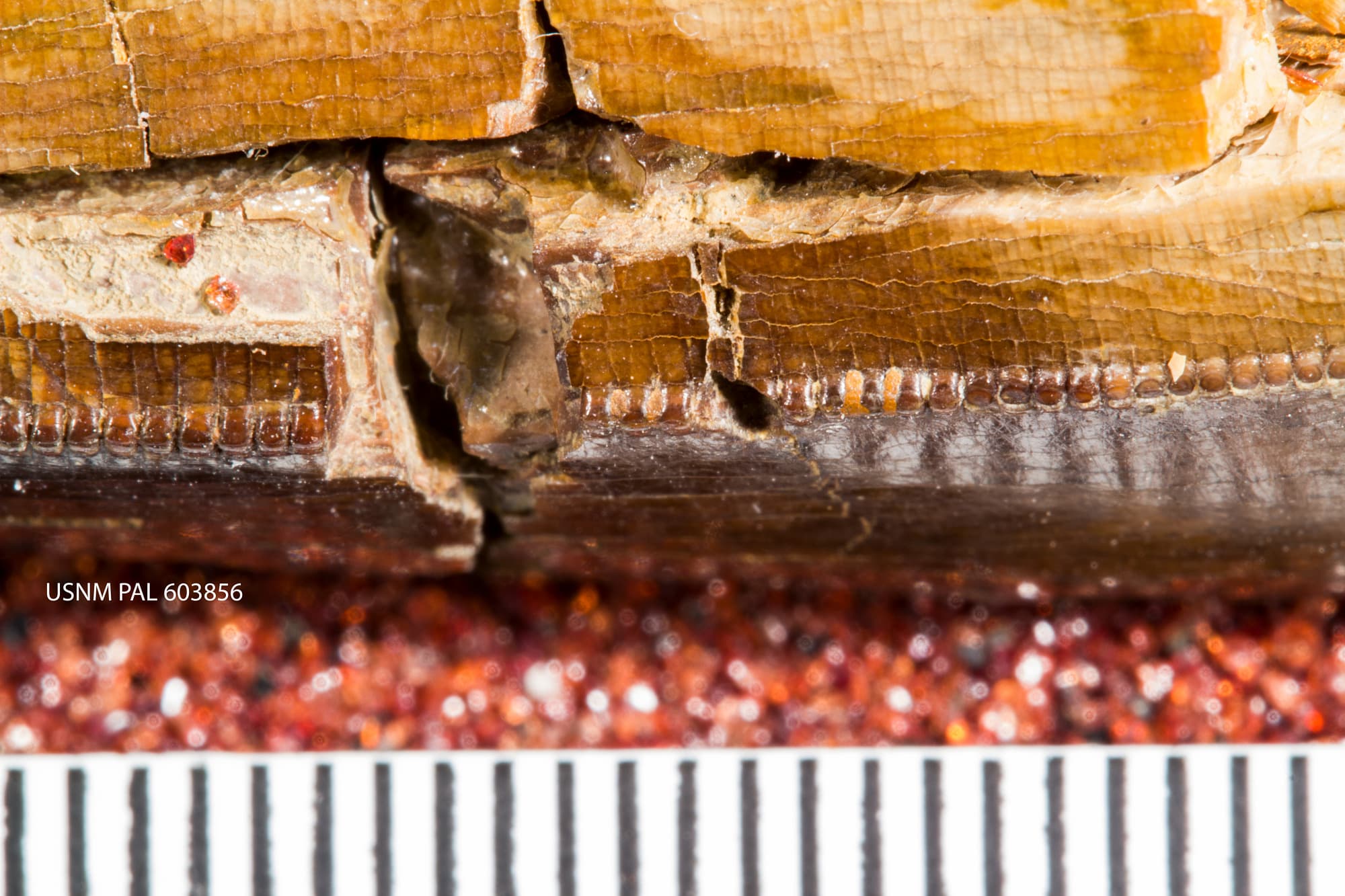
USNM PAL 603855_3
Specimen image

USNM PAL 603855_3

Michael Brett-Surman

CC0idigbio
View source
Research notes

Tyrannosaurus rex fossil map FAQ

Where have Tyrannosaurus rex fossils been found?

Tyrannosaurus rex is represented here by selected fossil records from western north america, with selected records from hell creek, lance, scollard, frenchman, and related latest cretaceous formations. Fossil Atlas maps those records as modern discovery locations.

Is this map where Tyrannosaurus rex lived?

No. The map shows modern fossil discovery locations from selected records. Ancient habitat and paleogeographic reconstructions are separate questions.

What formation is Tyrannosaurus rex associated with here?

The current Fossil Atlas records include Hell Creek Formation. Formation coverage depends on the selected dataset and may not be complete.

Can I make a Tyrannosaurus rex expedition card?

Yes. Use the expedition card generator to turn the Tyrannosaurus rex map and specimen profile into a shareable card.

Data sources

Attribution

Caveats

Important notes

Selected fossil records from PBDB and museum biodiversity aggregators. Source labels and confidence notes help distinguish canonical paleobiology records from specimen-media records.

Reconstruction images are labeled illustrations and do not represent fossil evidence. Size, speed, and bite-force figures are typical published estimates and remain subject to revision as new specimens are described.

Trust note

Selected source-backed records

Maps use curated PBDB, museum, and specimen-source records with visible caveats.

Trust note

Modern discovery locations

Pins show where fossils were found or reported today, not exact ancient habitat positions.

Trust note

Reconstruction is not evidence

Artwork is labeled separately from specimen photos, maps, and source records.

Request desk

Request the next dinosaur map

Request another dinosaur like Tyrannosaurus rex, submit a correction, or tell us what would make this page useful as a printable card.

Email capture is ready for a form endpoint. Until `NEXT_PUBLIC_REQUEST_FORM_ENDPOINT` is configured, the request desk opens a prefilled email.

Email request