Atlas MapSpecimensHotspots
Fossil Atlas: Specimen ProfileCatalog FA·GORG·1913
Plate 22 · Carnivore

GorgosaurusFossil map and specimen profile

The Tyrant of the Dinosaur Park

Binomial Gorgosaurus libratus · GOR-goh-SORE-us

Late Cretaceous - 76-75 Ma

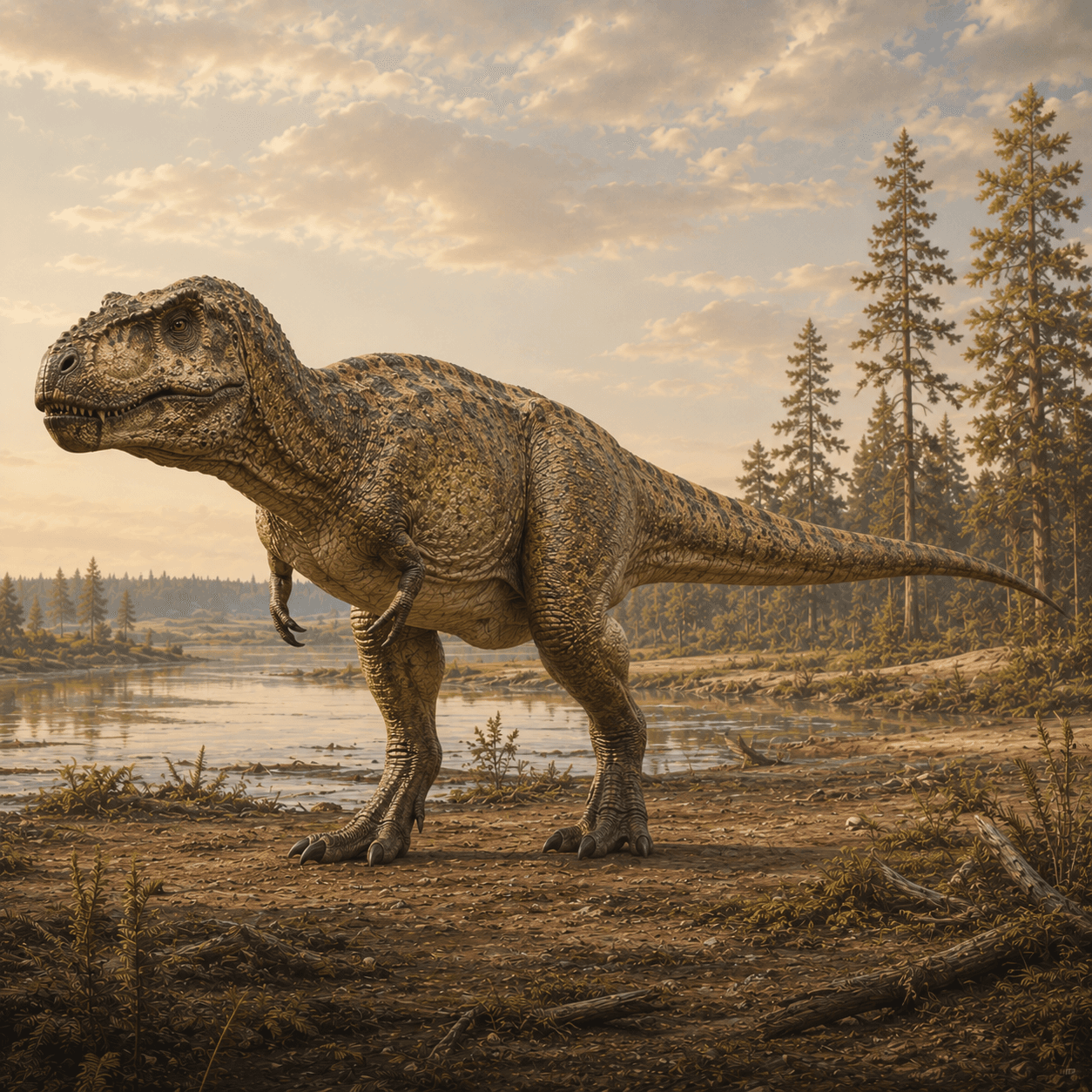
Illustrated reconstruction of GorgosaurusIllustration
Plate 22 · illustration onlyFA·GORG·1913
Classification
Theropod dinosaur
Family
Tyrannosauridae
Genus / Species
Gorgosaurus libratus
Diet
Carnivore
Range
Western Canada and northern interior North America, especially Dinosaur Park and related Late Cretaceous records; occasional outlier records should be read with source caveats.
Quick provenance answer

Where have Gorgosaurus fossils been found?

Gorgosaurus fossil records in Fossil Atlas are mapped as selected modern discovery locations, with 10 source-backed records currently shown. Western Canada and northern interior North America, especially Dinosaur Park and related Late Cretaceous records; occasional outlier records should be read with source caveats. Key mapped formations in the current dataset include Belly River Fm, JUDITH RIVER FM., UPPER, Judith River Fm. These pins are fossil record locations, not a complete ancient habitat map.

Mapped records
10
Modern range note
Western Canada and northern interior North America, especially Dinosaur Park and related Late Cretaceous records; occasional outlier records should be read with source caveats.
Key formations
Belly River Fm, JUDITH RIVER FM., UPPER, Judith River Fm
Map caveat
Modern fossil locations, not ancient habitat.
Field account

Gorgosaurus was a Late Cretaceous tyrannosaurid from western Canada. Fossil Atlas uses its selected records to deepen the Dinosaur Park and Judith River cluster while separating it from the later Hell Creek T. rex story.

Built to scale

Size against a person

Drawn true to scale on a metre ruler.

0 m2468101214161820222426
Gorgosaurus, 8.5 m (28 ft)Adult human, 1.8 m5× longer than a person is tall
Field measurements

Measurements & capabilities

MeasuredEstimate

Length

measured

8.5 m · 28 ft

Largest known specimens

Height

measured

3 m (10 ft)

Body mass

estimate

2,500 kg · 5,500 lb

Typical adult

Top speed

estimate

39 km/h · 24 mph

Modelled, debated

Life & behaviour

How Gorgosaurus lived

Gorgosaurus was the apex predator of the Dinosaur Park Formation, filling the same ecological role that T. rex later filled in the Hell Creek. It was lighter and more slender than T. rex, possibly faster, and its teeth and skull were built for the same style of bone-crushing predation. It likely targeted the large hadrosaurs and ceratopsians that dominated the herbivore community.

Build

Lighter than T. rex with a slightly narrower skull. The proportional difference suggests Gorgosaurus was a more active pursuit predator, though both were probably capable of pursuit and ambush.

Teeth

Deeply rooted with the same basic form as all tyrannosaurids: thick, rounded cross-section rather than blade-like, designed for crushing bone rather than slicing.

Stomach contents

Some Gorgosaurus specimens preserve stomach contents, confirming it fed on young hadrosaurs. This is one of the few direct dietary records for any large theropod.

The Dinosaur Park prey community

Gorgosaurus shared the formation with Corythosaurus, Parasaurolophus, Centrosaurus, and Styracosaurus, giving it a rich and varied prey community.

Known from

Fossil evidence

01Skulls
02Teeth
03Partial skeletons
04Tyrannosaurid fossils
Key formations
Belly River FmJUDITH RIVER FM., UPPERJudith River FmLower Judith River FmBlack CreekSedanHell CreekDinosaur Park
Geologic timeline

When they lived

Position of this animal’s known range across 252 million years of the Mesozoic and beyond.

252 MaToday

76-75 million years ago

From the notebook

Field notes

01

Gorgosaurus was a close tyrannosaurid relative of later giant predators such as T. rex.

02

Its Dinosaur Park context makes it a useful comparison point for T. rex pages.

03

It helps Fossil Atlas show that tyrannosaurids were diverse before the very end of the Cretaceous.

Discovery & debate

How we know Gorgosaurus

Charles M. Sternberg collected the first Gorgosaurus skeleton from the Dinosaur Park Formation in 1913 and Lawrence Lambe named it in 1914. Multiple specimens are known, including the individuals with preserved stomach contents. There has been ongoing discussion about whether Gorgosaurus should be placed within Albertosaurus, a closely related Canadian tyrannosaurid, though most current classifications keep them as separate genera.

Same family

Close relatives

Other members of Tyrannosauridae.

Modern discovery map

Gorgosaurus fossil discovery map

Pins show selected fossil records for Gorgosaurus; use them as modern discovery evidence, not a complete range map. Modern fossil discovery map: pins show where selected fossil and specimen records were found today, not ancient Earth positions. What does this mean?

Modern Fossil Discovery Map

Specimen evidence

Museum images and 3D records

These are sourced specimen assets, separate from reconstruction artwork. Only media with clear open or reusable rights is displayed by default.

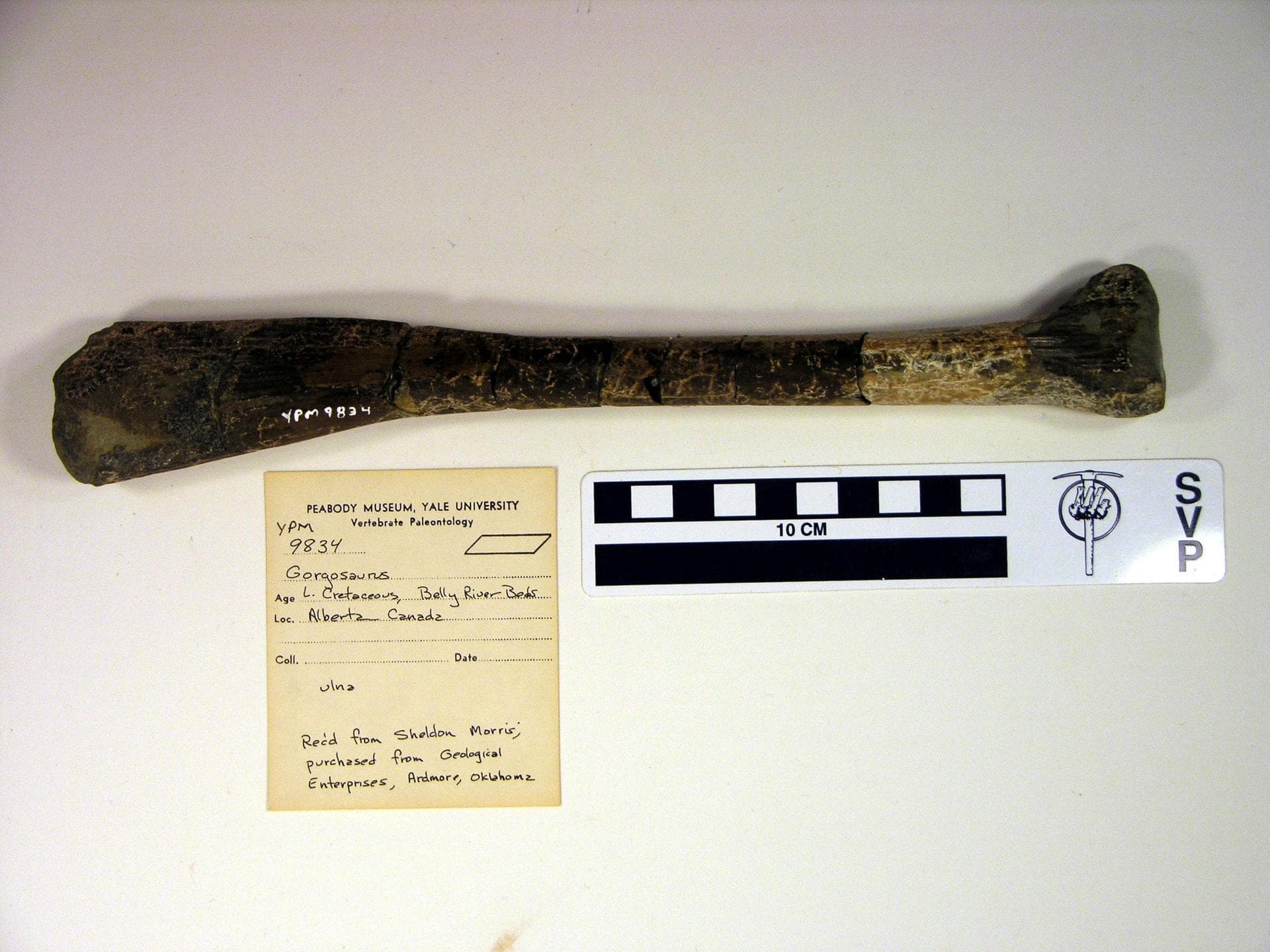
Gorgosaurus sp. (YPM VP 009834). Digital Image: Yale Peabody Museum; photo by Division of Vertebrate Paleontology, Yale Peabody Museum 2016
Specimen image

Gorgosaurus sp. (YPM VP 009834). Digital Image: Yale Peabody Museum; photo by Division of Vertebrate Paleontology, Yale Peabody Museum 2016

Division of Vertebrate Paleontology, Yale Peabody Museum

CC0idigbio
View source
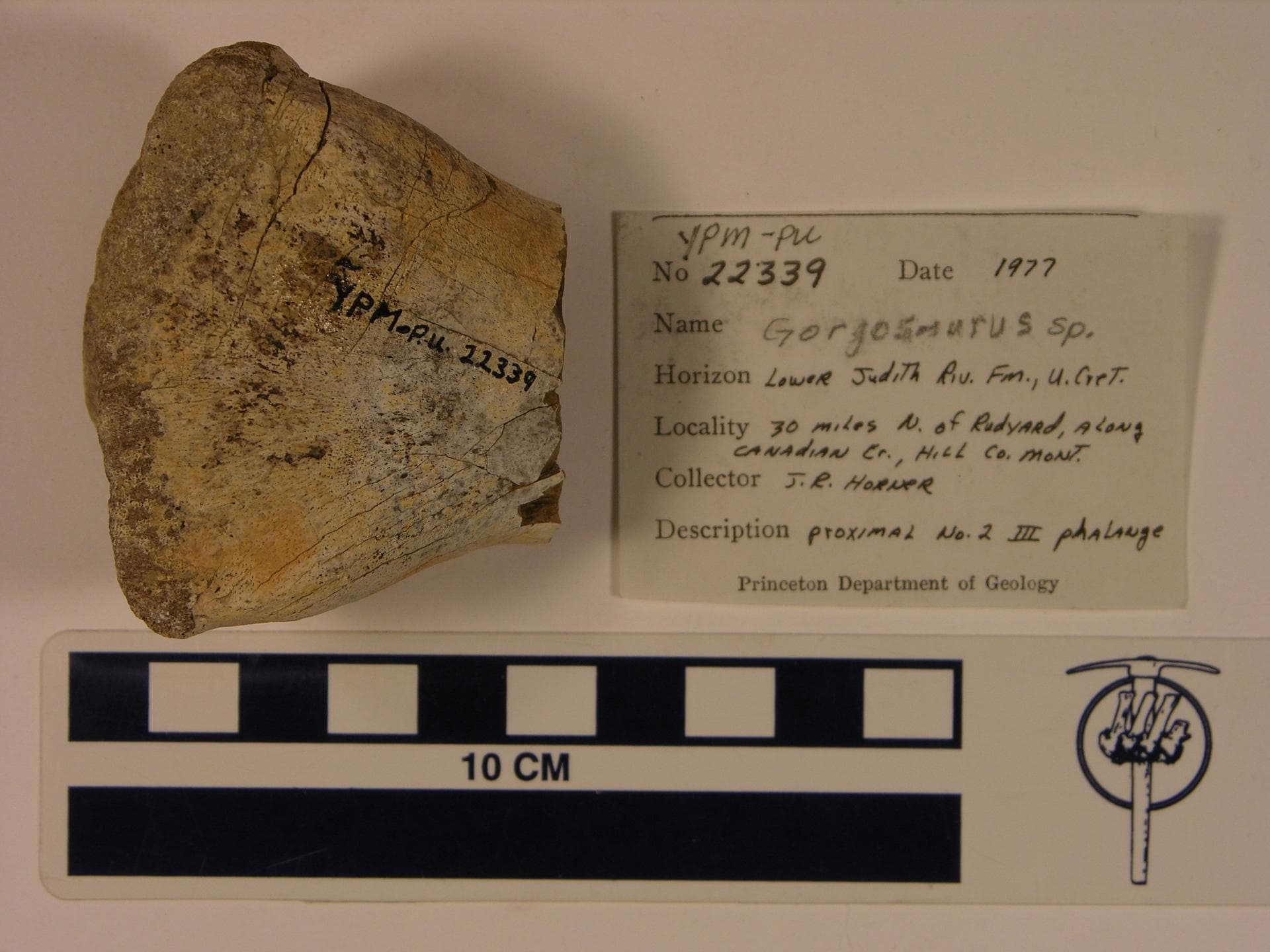
Gorgosaurus (YPM VPPU 022339). Digital Image: Yale Peabody Museum; photo by Marilyn Fox 2013
Specimen image

Gorgosaurus (YPM VPPU 022339). Digital Image: Yale Peabody Museum; photo by Marilyn Fox 2013

Marilyn Fox

CC0idigbio
View source
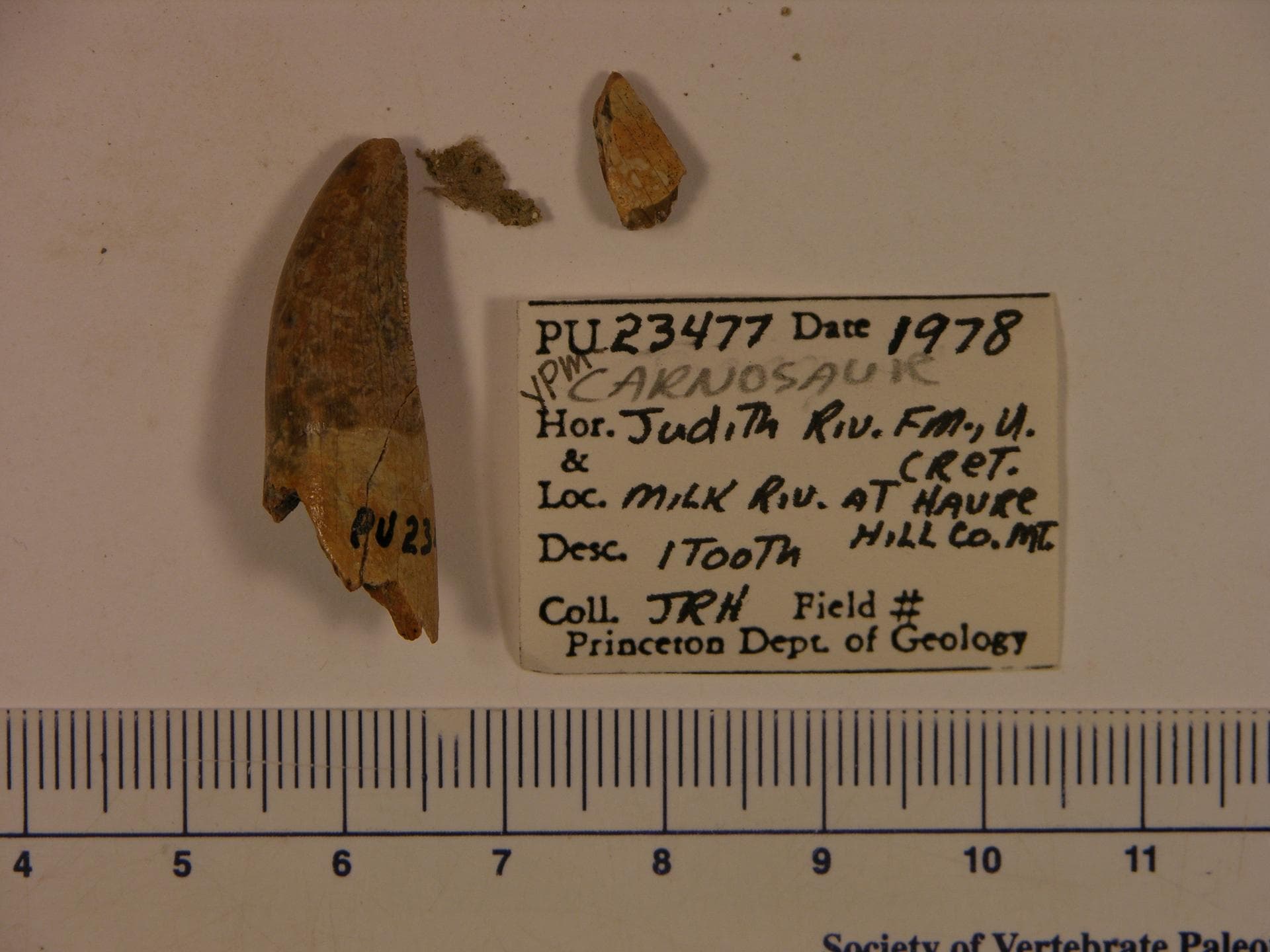
Carnosauria (YPM VPPU 023477). Digital Image: Yale Peabody Museum; photo by Marilyn Fox 2013
Specimen image

Carnosauria (YPM VPPU 023477). Digital Image: Yale Peabody Museum; photo by Marilyn Fox 2013

Marilyn Fox

CC0idigbio
View source
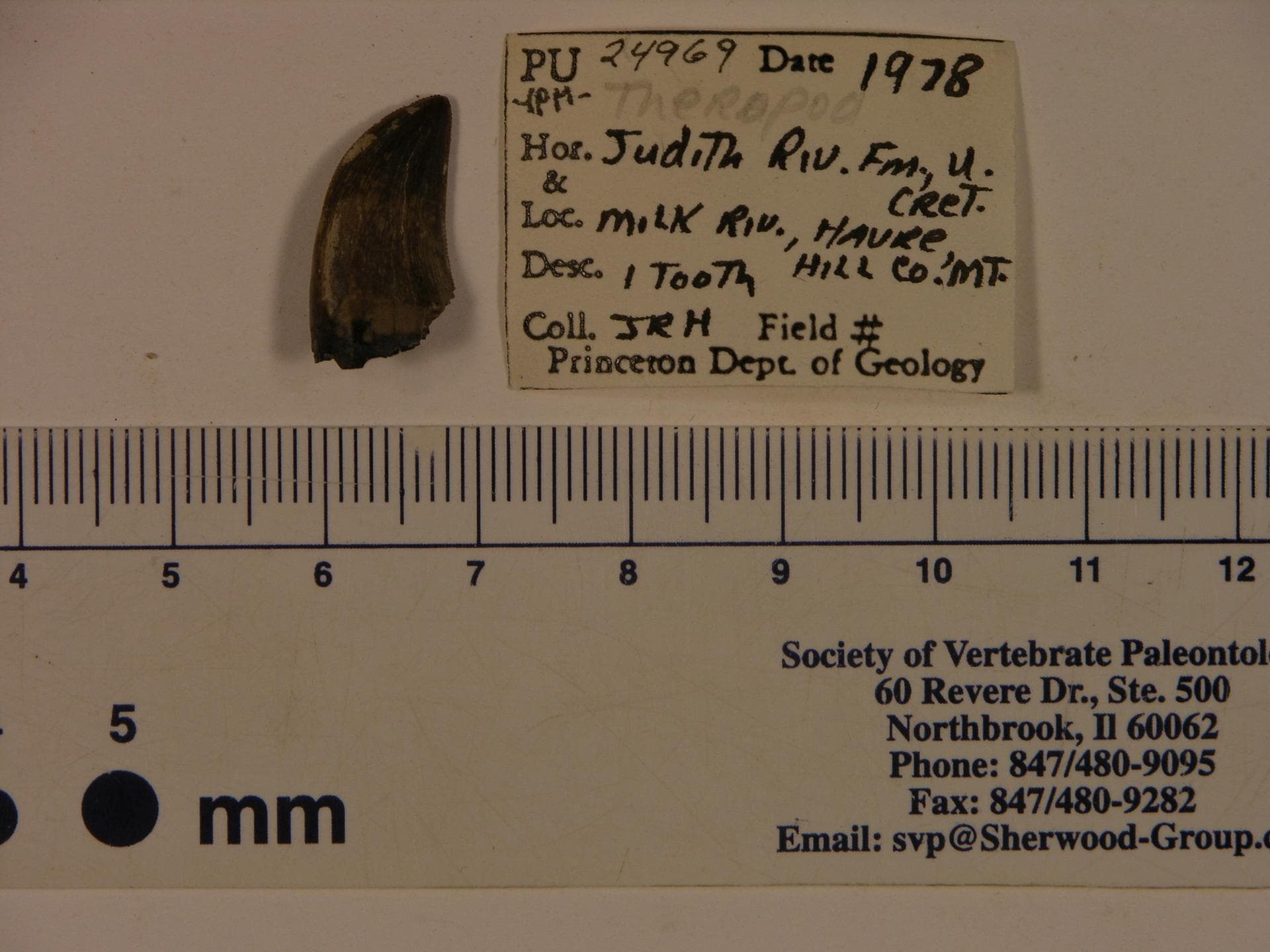
Gorgosaurus (YPM VPPU 024969). Digital Image: Yale Peabody Museum; photo by Marilyn Fox 2013
Specimen image

Gorgosaurus (YPM VPPU 024969). Digital Image: Yale Peabody Museum; photo by Marilyn Fox 2013

Marilyn Fox

CC0idigbio
View source
Research notes

Gorgosaurus fossil map FAQ

Where have Gorgosaurus fossils been found?

Gorgosaurus is represented here by selected fossil records from western canada and northern interior north america, especially dinosaur park and related late cretaceous records; occasional outlier records should be read with source caveats. Fossil Atlas maps those records as modern discovery locations.

Is this map where Gorgosaurus lived?

No. The map shows modern fossil discovery locations from selected records. Ancient habitat and paleogeographic reconstructions are separate questions.

What formation is Gorgosaurus associated with here?

The current Fossil Atlas records include Belly River Fm. Formation coverage depends on the selected dataset and may not be complete.

Can I make a Gorgosaurus expedition card?

Yes. Use the expedition card generator to turn the Gorgosaurus map and specimen profile into a shareable card.

Data sources

Attribution

Caveats

Important notes

Selected fossil records from PBDB and museum biodiversity aggregators. This is not a complete fossil count by country; source labels and confidence notes help distinguish canonical paleobiology records from specimen-media records.

Reconstruction images are labeled illustrations and do not represent fossil evidence. Size, speed, and bite-force figures are typical published estimates and remain subject to revision as new specimens are described.

Trust note

Selected source-backed records

Maps use curated PBDB, museum, and specimen-source records with visible caveats.

Trust note

Modern discovery locations

Pins show where fossils were found or reported today, not exact ancient habitat positions.

Trust note

Reconstruction is not evidence

Artwork is labeled separately from specimen photos, maps, and source records.

Request desk

Request the next dinosaur map

Request another dinosaur like Gorgosaurus, submit a correction, or tell us what would make this page useful as a printable card.

Tell us which dinosaur or fossil site to map next, flag a correction, suggest a new pin, or request a card pack. Hit the button to open a prefilled email. We read every one.

Email request