Atlas MapSpecimensHotspots
Fossil Atlas: Specimen ProfileCatalog FA·MICR·2000
Plate 34 · Carnivore

MicroraptorFossil map and specimen profile

The Four-Winged Dinosaur of China

Binomial Microraptor gui · MY-kroh-RAP-tor

Early Cretaceous - 125-120 Ma

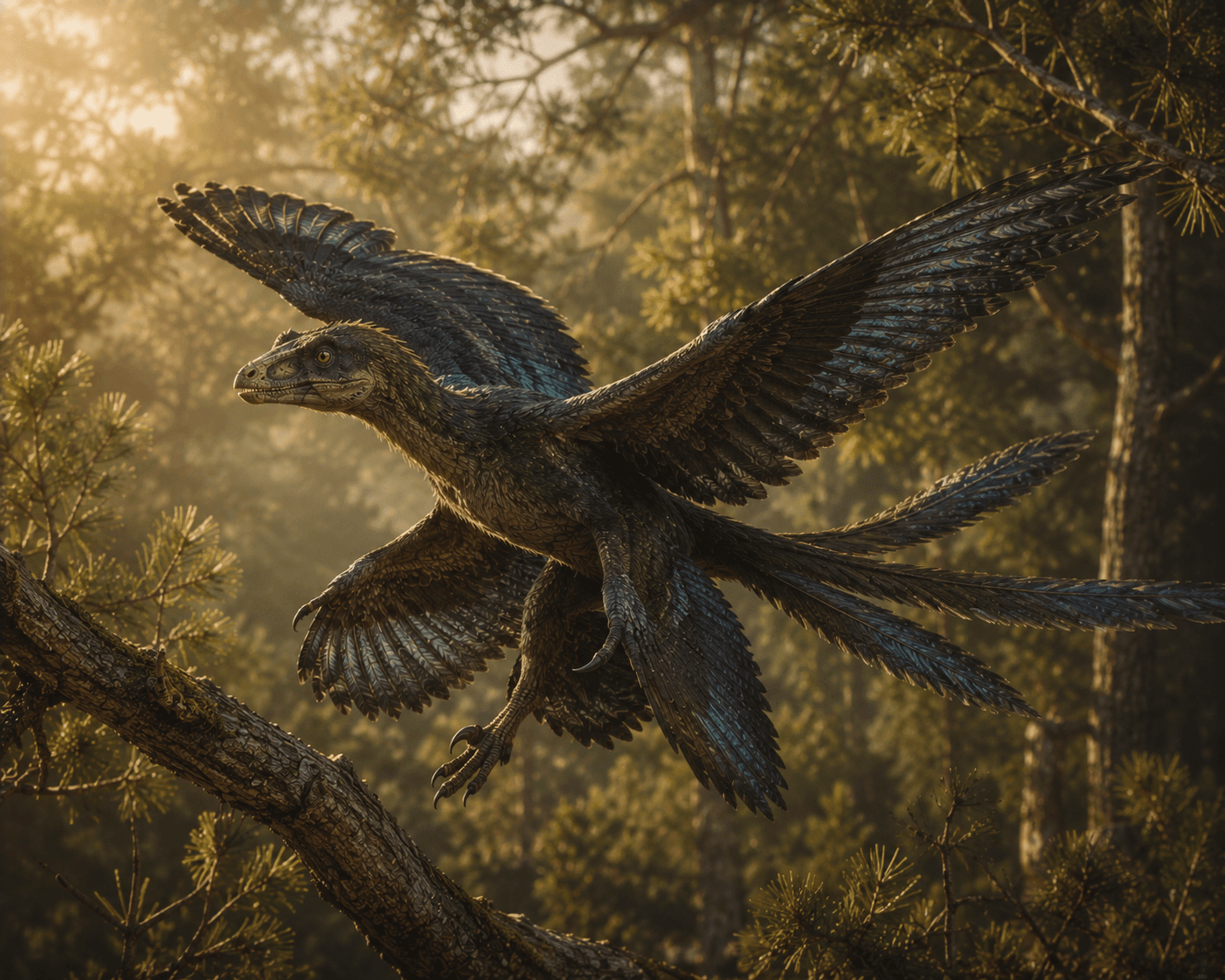
Illustrated reconstruction of MicroraptorIllustration
Plate 34 · illustration onlyFA·MICR·2000
Classification
Dromaeosaur dinosaur
Family
Dromaeosauridae
Genus / Species
Microraptor gui
Diet
Carnivore
Range
Liaoning, China, especially Jiufotang Formation and Jehol Biota context in the current atlas.
Quick provenance answer

Where have Microraptor fossils been found?

Microraptor fossil records in Fossil Atlas are mapped as selected modern discovery locations, with 3 source-backed records currently shown. Liaoning, China, especially Jiufotang Formation and Jehol Biota context in the current atlas. Key mapped formations in the current dataset include Jiufotang. These pins are fossil record locations, not a complete ancient habitat map.

Mapped records
3
Modern range note
Liaoning, China, especially Jiufotang Formation and Jehol Biota context in the current atlas.
Key formations
Jiufotang
Map caveat
Modern fossil locations, not ancient habitat.
Field account

Microraptor was a small feathered dromaeosaur from Early Cretaceous China. Fossil Atlas links it to Jiufotang Formation and Jehol Biota records while keeping fossil locations separate from ancient habitat maps.

Built to scale

Size against a person

Drawn true to scale on a metre ruler.

0 m2468101214161820222426
Microraptor, 0.8 m (2.6 ft)Adult human, 1.8 m0× longer than a person is tall
Field measurements

Measurements & capabilities

MeasuredEstimate

Length

measured

0.8 m · 2.6 ft

Largest known specimens

Height

measured

0.3 m (1 ft)

Body mass

estimate

1 kg · 2 lb

Typical adult

Top speed

estimate

32 km/h · 20 mph

Modelled, debated

Life & behaviour

How Microraptor lived

Microraptor was a tiny dromaeosaur from the Jiufotang Formation of Liaoning, China, with flight feathers on all four limbs. Whether it flew, glided, or some combination has been debated since its description. Its gut contents are well documented across multiple specimens, showing it ate fish, birds, and small mammals, making it one of the most dietary-documented small dinosaurs known.

Four wings

Long flight feathers on both the arms and the legs, an arrangement without a clear modern analog. Whether it flew like a biplane or glided from trees is still debated.

Diet evidence

Multiple specimens preserve gut contents: fish, a small bird, and a small eutherian mammal have each been found inside different Microraptor specimens. It was an active and versatile predator.

Iridescent feathers

Analysis of preserved melanosomes in the feathers suggests Microraptor had iridescent black plumage similar to a modern starling.

Size

Among the smallest dromaeosaurs, at around 0.5 to 1 kg. Much smaller than movie raptors and closer to a crow or pigeon in body mass.

Known from

Fossil evidence

01Feathered skeletons
02Flight feathers
03Skull material
04Body fossils
Key formations
Jiufotang
Geologic timeline

When they lived

Position of this animal’s known range across 252 million years of the Mesozoic and beyond.

252 MaToday

125-120 million years ago

From the notebook

Field notes

01

Microraptor preserved long feathers on both arms and legs.

02

Its fossil evidence is important for feathered-dinosaur and early flight discussions.

03

The Jiufotang records connect the page to Chinese Jehol Biota fossils.

Discovery & debate

How we know Microraptor

The first Microraptor specimens were described by Xu Xing and colleagues from Liaoning in 2000, but the four-winged anatomy was fully recognised in a landmark 2003 paper. The Jiufotang Formation's Jehol Biota has produced dozens of Microraptor specimens, making it one of the most densely represented small dinosaurs in the fossil record. The quality of preservation in these fine-grained lake sediments allowed researchers to analyse melanosomes and reconstruct plumage colour, a technique that has since been applied to other feathered dinosaurs.

Shared the landscape

Lived alongside

Animals known from the same deposits and time as Microraptor.

  • Sinornithosaurus

    A feathered dromaeosaur from the same Jiufotang deposits.

    Not yet mapped
  • Confuciusornis

    An early bird from the same Jehol Biota, and possibly an occasional prey item based on bird bones found inside a Microraptor specimen.

    Not yet mapped
  • Psittacosaurus

    A small ceratopsian from the same general region and time period.

    Not yet mapped
Modern discovery map

Microraptor fossil discovery map

Pins show selected fossil records for Microraptor; use them as modern discovery evidence, not a complete range map. Modern fossil discovery map: pins show where selected fossil and specimen records were found today, not ancient Earth positions. What does this mean?

Modern Fossil Discovery Map

Specimen evidence

Museum media and models

No open specimen media or embeddable model assets are available in the local enrichment data yet.

Research notes

Microraptor fossil map FAQ

Where have Microraptor fossils been found?

Microraptor is represented here by selected fossil records from liaoning, china, especially jiufotang formation and jehol biota context in the current atlas. Fossil Atlas maps those records as modern discovery locations.

Is this map where Microraptor lived?

No. The map shows modern fossil discovery locations from selected records. Ancient habitat and paleogeographic reconstructions are separate questions.

What formation is Microraptor associated with here?

The current Fossil Atlas records include Jiufotang. Formation coverage depends on the selected dataset and may not be complete.

Can I make a Microraptor expedition card?

Yes. Use the expedition card generator to turn the Microraptor map and specimen profile into a shareable card.

Data sources

Attribution

Caveats

Important notes

Selected fossil records from PBDB and museum biodiversity aggregators. This is not a complete fossil count by country; source labels and confidence notes help distinguish canonical paleobiology records from specimen-media records.

Reconstruction images are labeled illustrations and do not represent fossil evidence. Size, speed, and bite-force figures are typical published estimates and remain subject to revision as new specimens are described.

Trust note

Selected source-backed records

Maps use curated PBDB, museum, and specimen-source records with visible caveats.

Trust note

Modern discovery locations

Pins show where fossils were found or reported today, not exact ancient habitat positions.

Trust note

Reconstruction is not evidence

Artwork is labeled separately from specimen photos, maps, and source records.

Request desk

Request the next dinosaur map

Request another dinosaur like Microraptor, submit a correction, or tell us what would make this page useful as a printable card.

Tell us which dinosaur or fossil site to map next, flag a correction, suggest a new pin, or request a card pack. Hit the button to open a prefilled email. We read every one.

Email request