Atlas MapSpecimensHotspotsGuidesCountriesMethodologyPacks
Fossil Atlas: Specimen ProfileCatalog FA·UTAH·1991
Plate 33 · Carnivore

UtahraptorFossil map and specimen profile

Binomial Utahraptor ostrommaysi · YOO-tah-RAP-tor

Early Cretaceous - 135-125 Ma

Classification
Dromaeosaur dinosaur
Family
Dromaeosauridae
Genus / Species
Utahraptor ostrommaysi
Diet
Carnivore
Range
Utah, United States, especially Cedar Mountain Formation records in the current atlas.
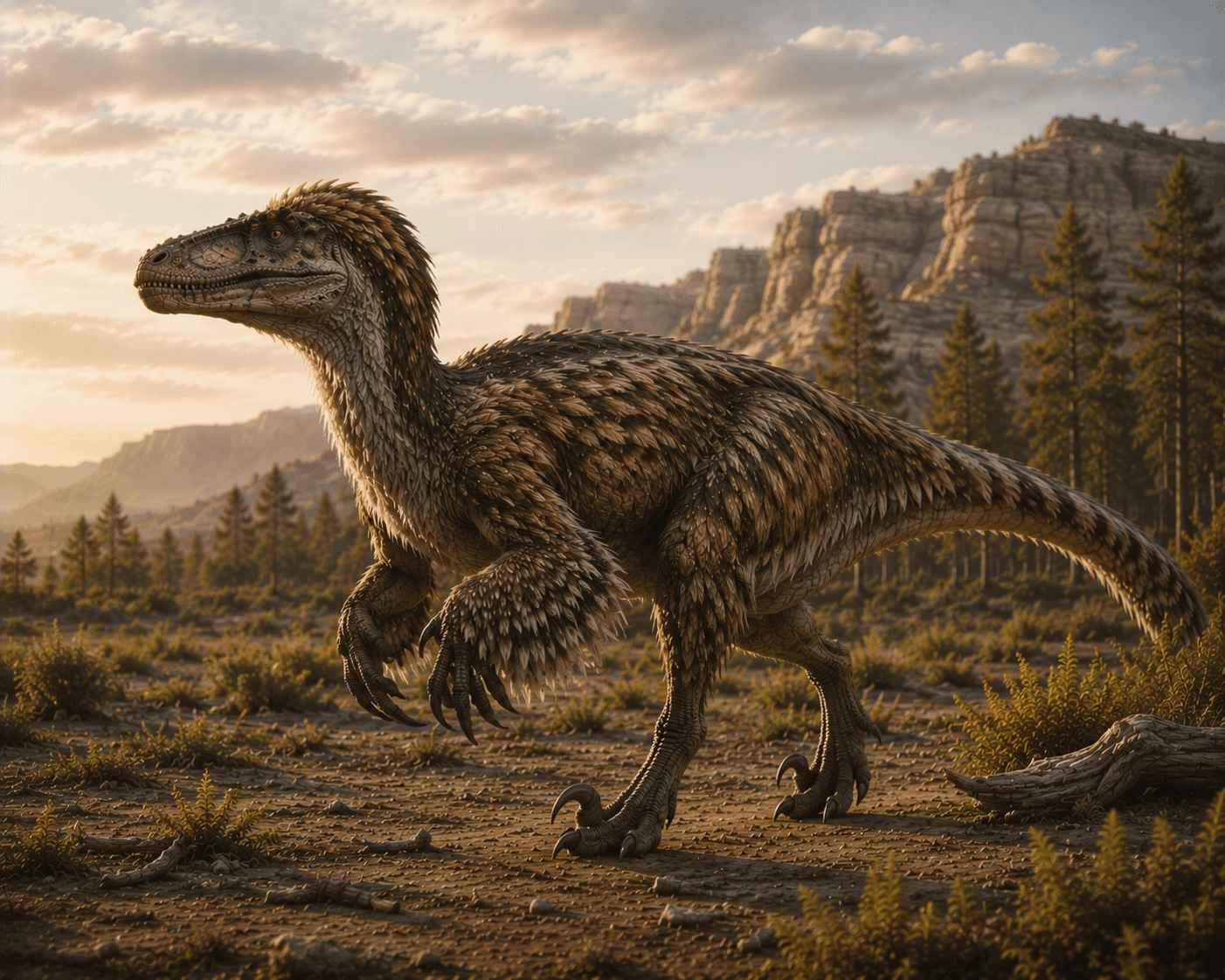
Illustrated reconstruction of UtahraptorIllustration
Plate 33 · illustration onlyFA·UTAH·1991
Quick provenance answer

Where have Utahraptor fossils been found?

Utahraptor fossil records in Fossil Atlas are mapped as selected modern discovery locations, with 2 source-backed records currently shown. Utah, United States, especially Cedar Mountain Formation records in the current atlas. Key mapped formations in the current dataset include Cedar Mountain. These pins are fossil record locations, not a complete ancient habitat map.

This remains a specimen profile: the reconstruction, measurements, field account, and evidence sections stay intact. The fossil-map answer is surfaced here so visitors from search can orient themselves before reading the full dossier.

Mapped records
2
Modern range note
Utah, United States, especially Cedar Mountain Formation records in the current atlas.
Key formations
Cedar Mountain
Map caveat
Modern fossil locations, not ancient habitat.
Field account

Utahraptor was a large Early Cretaceous dromaeosaur from the Cedar Mountain Formation of Utah. Fossil Atlas maps selected discovery records and connects the page to regional fossil guides.

Built to scale

Size against a person

Drawn true to scale on a metre ruler.

0 m2468101214161820222426
Utahraptor, 5.5 m (18 ft)Adult human, 1.8 m3× longer than a person is tall
Field measurements

Measurements & capabilities

MeasuredEstimate

Length

measured

5.5 m · 18 ft

Largest known specimens

Height

measured

1.8 m (6 ft)

Body mass

estimate

500 kg · 1,100 lb

Typical adult

Top speed

estimate

40 km/h · 25 mph

Modelled, debated

Known from

Fossil evidence

01Sickle claws
02Limb bones
03Skull fragments
04Partial skeletons
Key formations
Cedar Mountain
Geologic timeline

When they lived

Position of this animal’s known range across 252 million years of the Mesozoic and beyond.

252 MaToday

135-125 million years ago

From the notebook

Field notes

01

Utahraptor was far larger than Velociraptor.

02

Its page gives the atlas a strong US raptor route between Deinonychus and Velociraptor.

03

The name ties directly to Utah, making it strong for regional internal links.

Modern discovery map

Utahraptor fossil discovery map

Pins show selected fossil records for Utahraptor; use them as modern discovery evidence, not a complete range map. Modern fossil discovery map: pins show where selected fossil and specimen records were found today, not ancient Earth positions. What does this mean?

Modern Fossil Discovery Map

Specimen evidence

Museum media and models

No open specimen media or embeddable model assets are available in the local enrichment data yet.

Research notes

Utahraptor fossil map FAQ

Where have Utahraptor fossils been found?

Utahraptor is represented here by selected fossil records from utah, united states, especially cedar mountain formation records in the current atlas. Fossil Atlas maps those records as modern discovery locations.

Is this map where Utahraptor lived?

No. The map shows modern fossil discovery locations from selected records. Ancient habitat and paleogeographic reconstructions are separate questions.

What formation is Utahraptor associated with here?

The current Fossil Atlas records include Cedar Mountain. Formation coverage depends on the selected dataset and may not be complete.

Can I make a Utahraptor expedition card?

Yes. Use the expedition card generator to turn the Utahraptor map and specimen profile into a shareable card.

Data sources

Attribution

Caveats

Important notes

Selected fossil records from PBDB and museum biodiversity aggregators. Source labels and confidence notes help distinguish canonical paleobiology records from specimen-media records.

Reconstruction images are labeled illustrations and do not represent fossil evidence. Size, speed, and bite-force figures are typical published estimates and remain subject to revision as new specimens are described.

Trust note

Selected source-backed records

Maps use curated PBDB, museum, and specimen-source records with visible caveats.

Trust note

Modern discovery locations

Pins show where fossils were found or reported today, not exact ancient habitat positions.

Trust note

Reconstruction is not evidence

Artwork is labeled separately from specimen photos, maps, and source records.

Request desk

Request the next dinosaur map

Request another dinosaur like Utahraptor, submit a correction, or tell us what would make this page useful as a printable card.

Tell us which dinosaur or fossil site to map next, flag a correction, or request a card pack. Hit the button to open a prefilled email. We read every one.

Email request