Fossil Atlas — Specimen ProfileCatalog FA·VELO·1924
Plate 03 · Carnivore

VelociraptorFossil map and specimen profile

Binomial Velociraptor mongoliensis · vuh-LOSS-ih-RAP-tor

Late Cretaceous - 75-71 Ma

Classification
Dromaeosaurid dinosaur
Family
Dromaeosauridae
Genus / Species
Velociraptor mongoliensis
Diet
Carnivore
Range
Central Asia, especially Djadokhta and Baruungoyot records from Mongolia and nearby Gobi Desert deposits.
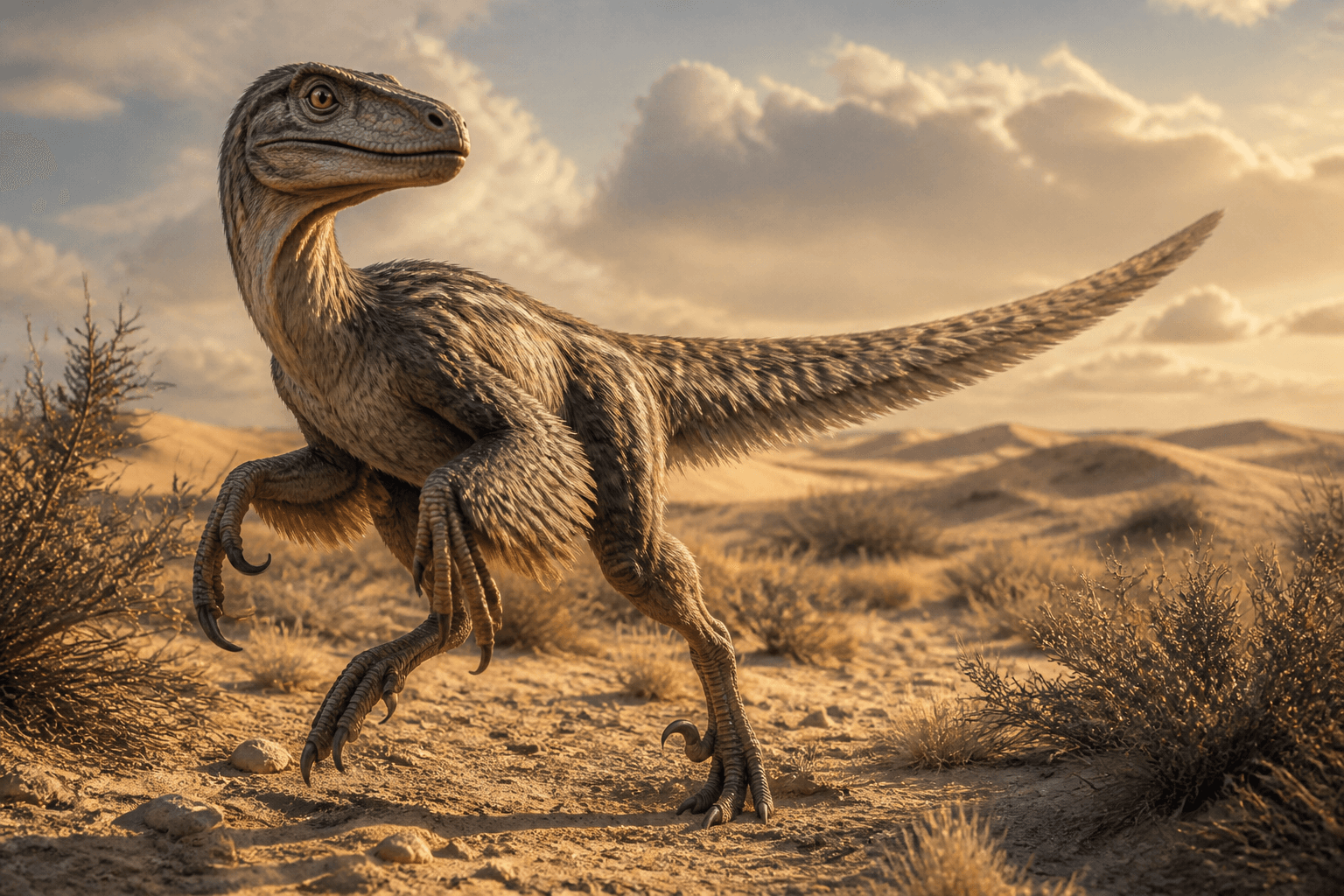
AI reconstruction of VelociraptorAI reconstruction
Plate 03 — illustration, not fossil evidenceFA·VELO·1924
Quick provenance answer

Where have Velociraptor fossils been found?

Velociraptor fossil records in Fossil Atlas are mapped as selected modern discovery locations, with 6 source-backed records currently shown. Central Asia, especially Djadokhta and Baruungoyot records from Mongolia and nearby Gobi Desert deposits. Key mapped formations in the current dataset include Djadokhta, Baruungoyot. These pins are fossil record locations, not a complete ancient habitat map.

This remains a specimen profile: the reconstruction, measurements, field account, and evidence sections stay intact. The fossil-map answer is surfaced here so visitors from search can orient themselves before reading the full dossier.

Mapped records
6
Modern range note
Central Asia, especially Djadokhta and Baruungoyot records from Mongolia and nearby Gobi Desert deposits.
Key formations
Djadokhta, Baruungoyot
Map caveat
Modern fossil locations, not ancient habitat.
Field account

Velociraptor was a small dromaeosaurid dinosaur from Late Cretaceous Central Asia. Fossil Atlas maps selected records from Djadokhta and Baruungoyot deposits in Mongolia and nearby Gobi Desert regions. The real Velociraptor was much smaller than its popular movie image, with a lightly built body, feathered arms, sharp teeth, and a sickle-shaped claw on each hind foot. One of the most famous dinosaur fossils, the Fighting Dinosaurs specimen, preserves a Velociraptor in contact with Protoceratops and provides rare behavioral evidence. Velociraptor is useful for showing why modern fossil maps are not habitat maps: the pins mark selected discovery records from specific fossil-bearing deposits, not every place the animal may have lived.

Built to scale

Size against a person

Drawn true to scale on a metre ruler.

0 m2468101214161820222426
Velociraptor2.07 m (6.8 ft)Adult human — 1.8 m1× longer than a person is tall
Field measurements

Measurements & capabilities

MeasuredEstimate

Length

measured

2.07 m · 6.8 ft

Largest known specimens

Height

measured

0.5 m (1.6 ft) at the hip

Body mass

estimate

15 kg · 33 lb

Typical adult

Top speed

estimate

40 km/h · 25 mph

Modelled, debated

Bite force

estimate

300 lbf

Teeth

measured

≈ 28

Brain : body (EQ)

estimate

6

Encephalization quotient

Known from

Fossil evidence

01Skulls
02Claws
03Partial skeletons
04Associated skeletons
Key formations
DjadokhtaBaruungoyot
Geologic timeline

When they lived

Position of this animal’s known range across 252 million years of the Mesozoic and beyond.

252 MaToday

75-71 million years ago

From the notebook

Field notes

01

Velociraptor was far smaller than its movie reputation, closer to a large turkey or small wolf in overall scale.

02

The famous Fighting Dinosaurs fossil preserves a Velociraptor and Protoceratops locked in combat.

03

Velociraptor had a large, sickle-shaped claw on each foot that likely helped grip prey.

04

Quill knobs reported from a Velociraptor forearm show that it had feathers.

05

Pack-hunting behavior is often suggested for dromaeosaurs, but direct evidence for Velociraptor pack hunting remains limited.

06

The name Velociraptor means 'swift thief.'

07

Its stiffened tail likely helped balance the body during quick turns and movement.

Modern discovery map

Velociraptor fossil discovery map

Pins show selected fossil records for Velociraptor; use them as modern discovery evidence, not a complete range map. Modern fossil discovery map: pins show where selected fossil and specimen records were found today, not ancient Earth positions. What does this mean?

Modern Fossil Discovery Map

Specimen evidence

Museum images and 3D records

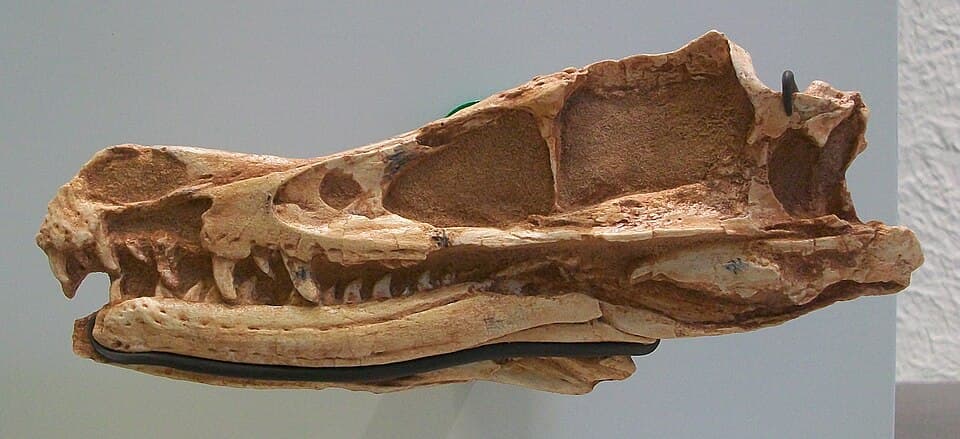
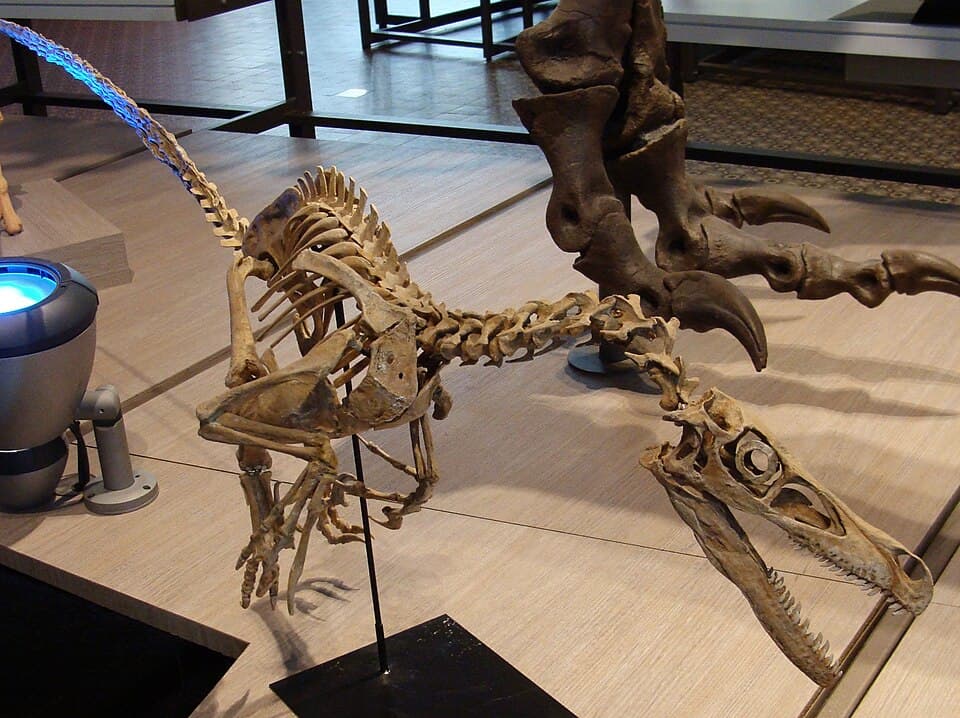
These are sourced specimen assets, separate from the AI reconstruction. Only media with clear open or reusable rights is displayed by default.

Velociraptor mongoliensis skull, AMNH 6515
Specimen image

Velociraptor mongoliensis skull, AMNH 6515

AMNH · AMNH 6515 · Smokeybjb

CC BY-SA 3.0wikimedia
View source
Velociraptor skeletal mount
Specimen image

Velociraptor skeletal mount

Esv - Eduard Sola Vazquez

CC BY 3.0wikimedia
View source
Research notes

Velociraptor fossil map FAQ

Where have Velociraptor fossils been found?

Velociraptor is represented here by selected fossil records from central asia, especially djadokhta and baruungoyot records from mongolia and nearby gobi desert deposits. Fossil Atlas maps those records as modern discovery locations.

Is this map where Velociraptor lived?

No. The map shows modern fossil discovery locations from selected records. Ancient habitat and paleogeographic reconstructions are separate questions.

What formation is Velociraptor associated with here?

The current Fossil Atlas records include Djadokhta. Formation coverage depends on the selected dataset and may not be complete.

Can I make a Velociraptor expedition card?

Yes. Use the expedition card generator to turn the Velociraptor map and specimen profile into a shareable card.

Data sources

Attribution

Caveats

Important notes

Selected fossil records from PBDB and museum biodiversity aggregators. Source labels and confidence notes help distinguish canonical paleobiology records from specimen-media records.

Reconstruction images are labeled illustrations and do not represent fossil evidence. Size, speed, and bite-force figures are typical published estimates and remain subject to revision as new specimens are described.

Trust note

Selected source-backed records

Maps use curated PBDB, museum, and specimen-source records with visible caveats.

Trust note

Modern discovery locations

Pins show where fossils were found or reported today, not exact ancient habitat positions.

Trust note

Reconstruction is not evidence

Artwork is labeled separately from specimen photos, maps, and source records.

Request desk

Request the next dinosaur map

Request another dinosaur like Velociraptor, submit a correction, or tell us what would make this page useful as a printable card.

Email capture is ready for a form endpoint. Until `NEXT_PUBLIC_REQUEST_FORM_ENDPOINT` is configured, the request desk opens a prefilled email.

Email request