Atlas MapSpecimensHotspots
Fossil Atlas: Specimen ProfileCatalog FA·PACH·1931
Plate 11 · Herbivore / omnivore

PachycephalosaurusFossil map and specimen profile

The Dome-Skulled Puzzle of Hell Creek

Binomial Pachycephalosaurus wyomingensis · PAK-ee-SEF-uh-loh-SOR-us

Late Cretaceous · 68-66 Ma

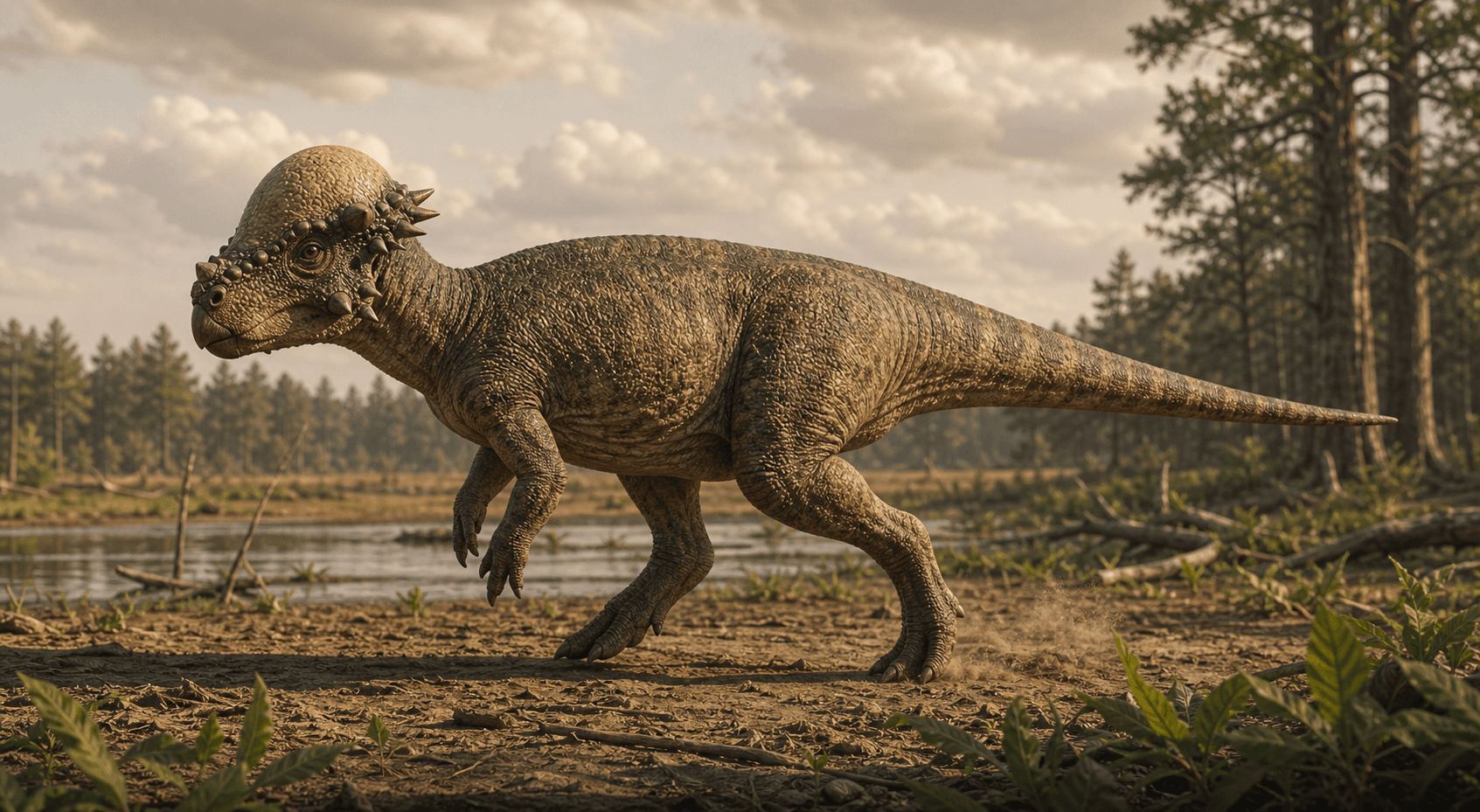
Illustrated reconstruction of PachycephalosaurusIllustration
Plate 11 · illustration onlyFA·PACH·1931
Classification
Dome-headed dinosaur
Family
Pachycephalosauridae
Genus / Species
Pachycephalosaurus wyomingensis
Diet
Herbivore / omnivore
Range
Known from latest Cretaceous western North America, especially Hell Creek and Lance-style northern Great Plains records.
Quick provenance answer

Where have Pachycephalosaurus fossils been found?

Pachycephalosaurus fossil records in Fossil Atlas are mapped as selected modern discovery locations, with 12 source-backed records currently shown. Known from latest Cretaceous western North America, especially Hell Creek and Lance-style northern Great Plains records. Key mapped formations in the current dataset include Hell Creek Fm, Lance Formation, Lance Fm. These pins are fossil record locations, not a complete ancient habitat map.

Mapped records
12
Modern range note
Known from latest Cretaceous western North America, especially Hell Creek and Lance-style northern Great Plains records.
Key formations
Hell Creek Fm, Lance Formation, Lance Fm
Map caveat
Modern fossil locations, not ancient habitat.
Field account

Pachycephalosaurus was a dome-headed dinosaur from latest Cretaceous North America. Its thick skull roof makes it instantly recognizable, but the behavior behind that dome remains debated. Fossil Atlas presents selected discovery records and keeps behavioral interpretations separate from fossil evidence.

Built to scale

Size against a person

Drawn true to scale on a metre ruler.

0 m2468101214161820222426
Pachycephalosaurus, 4.5 m · 15 ftAdult human, 1.8 m3× longer than a person is tall
Field measurements

Measurements & capabilities

MeasuredEstimate

Length

measured

4.5 m · 15 ft

Largest known specimens

Height

measured

1.8 m · 6 ft

Body mass

estimate

450 kg · 990 lb

Typical adult

Top speed

estimate

32 km/h · 20 mph

Modelled, debated

Brain : body (EQ)

estimate

1.3

Encephalization quotient

Life & behaviour

How Pachycephalosaurus lived

Pachycephalosaurus is known primarily from its thick skull dome, which is far more resistant to decay than the rest of its skeleton. The dome was formed by solid, dense bone up to 25 centimetres thick in large individuals. Its function has been debated for decades. Head-butting was the early interpretation, but biomechanical analysis suggests the skull was better suited to flank-butting or display than to head-on collision.

The dome

A mass of dense bone at the top of the skull, surrounded by bony knobs and spikes. How it was used, whether for display, flank-butting, or some degree of direct head contact, is still argued.

Size

A relatively small body compared with the large skull. The impressive dome is misleading about total size: Pachycephalosaurus was not a large dinosaur.

Diet

Small teeth with ridged surfaces suggest an omnivorous diet including plant material and possibly small animals or insects.

Growth

Stygimoloch and Dracorex, two other Hell Creek pachycephalosaurids with different skull shapes, have been argued by some researchers to be juvenile and sub-adult Pachycephalosaurus rather than separate animals. This remains contested.

Known from

Fossil evidence

01Thick skull dome
02Skull spikes
03Cranial fragments
04Postcranial material
Key formations
Hell Creek FmLance FormationLance FmHell CreekLance
Geologic timeline

When they lived

Position of this animal’s known range across 252 million years of the Mesozoic and beyond.

252 MaToday

68-66 million years ago

From the notebook

Field notes

01

Pachycephalosaurus means thick-headed lizard.

02

Its skull dome is the key feature most fossil fans remember.

03

The exact function of the dome is still debated.

04

It gives Hell Creek pages a compact, highly recognizable herbivore.

Discovery & debate

How we know Pachycephalosaurus

Partial skull material was described in the 1930s, but Barnum Brown and Erich Maren Schlaikjer formally named the genus in 1943. For most of its research history, Pachycephalosaurus was known almost entirely from isolated skull domes, which are the densest and most durable part of the skeleton. More complete material has been found since, but a full skeleton is still not known. The debate over whether Stygimoloch and Dracorex represent distinct animals or growth stages is still active in the literature.

Same family

Close relatives

Other members of Pachycephalosauridae.

  • Stygimoloch

    A spiky-headed pachycephalosaurid from Hell Creek, possibly a juvenile or sub-adult Pachycephalosaurus rather than a separate genus.

    Not yet mapped
  • Dracorex

    Another Hell Creek pachycephalosaurid whose status as a distinct animal is debated.

    Not yet mapped
  • Homalocephale

    A flat-headed pachycephalosaurid from Mongolia, showing the family extended beyond North America.

    Not yet mapped
Modern discovery map

Pachycephalosaurus fossil discovery map

Pins show selected fossil records for Pachycephalosaurus; use them as modern discovery evidence, not a complete range map. Modern fossil discovery map: pins show where selected fossil and specimen records were found today, not ancient Earth positions. What does this mean?

Modern Fossil Discovery Map

Specimen evidence

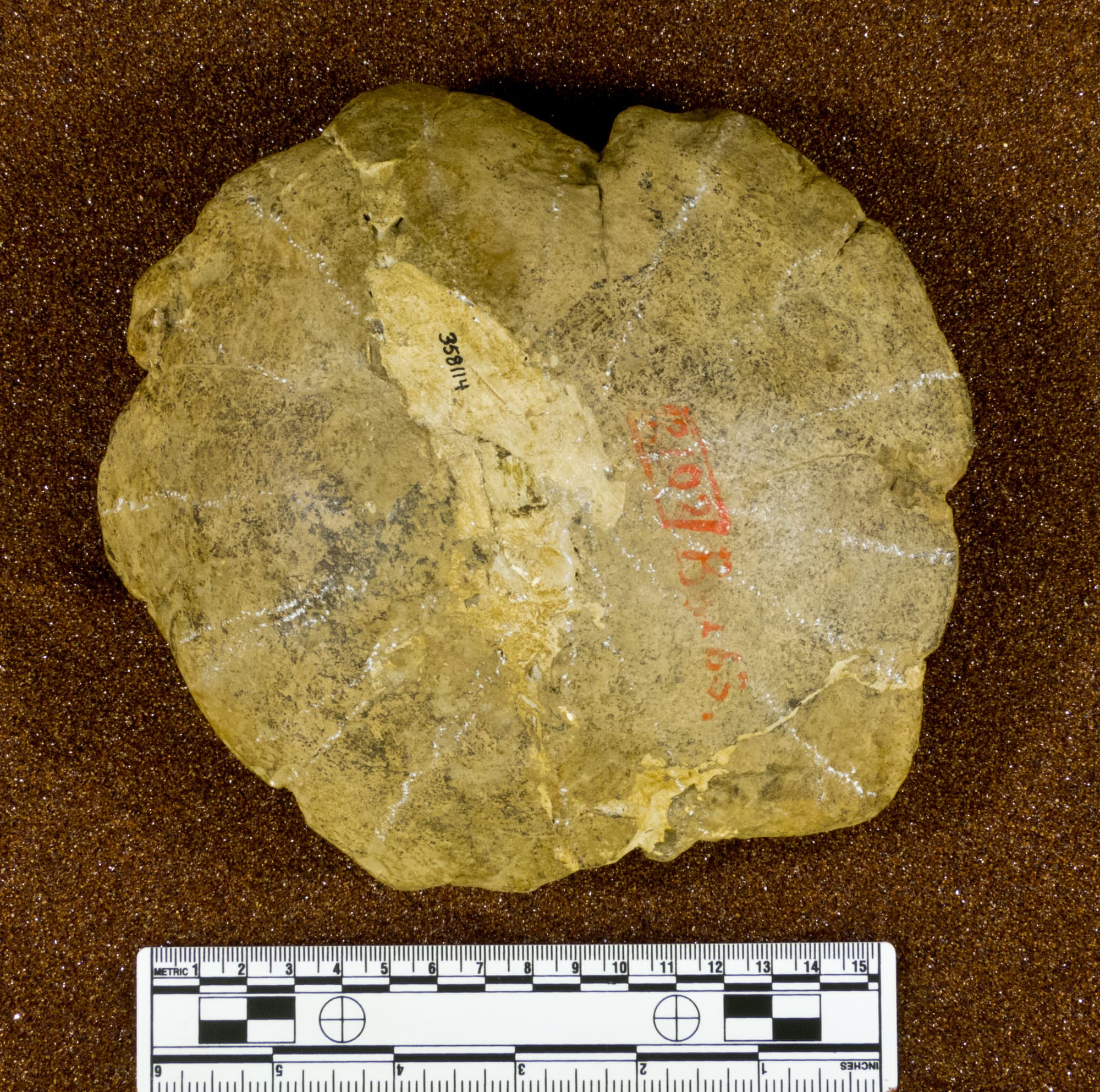
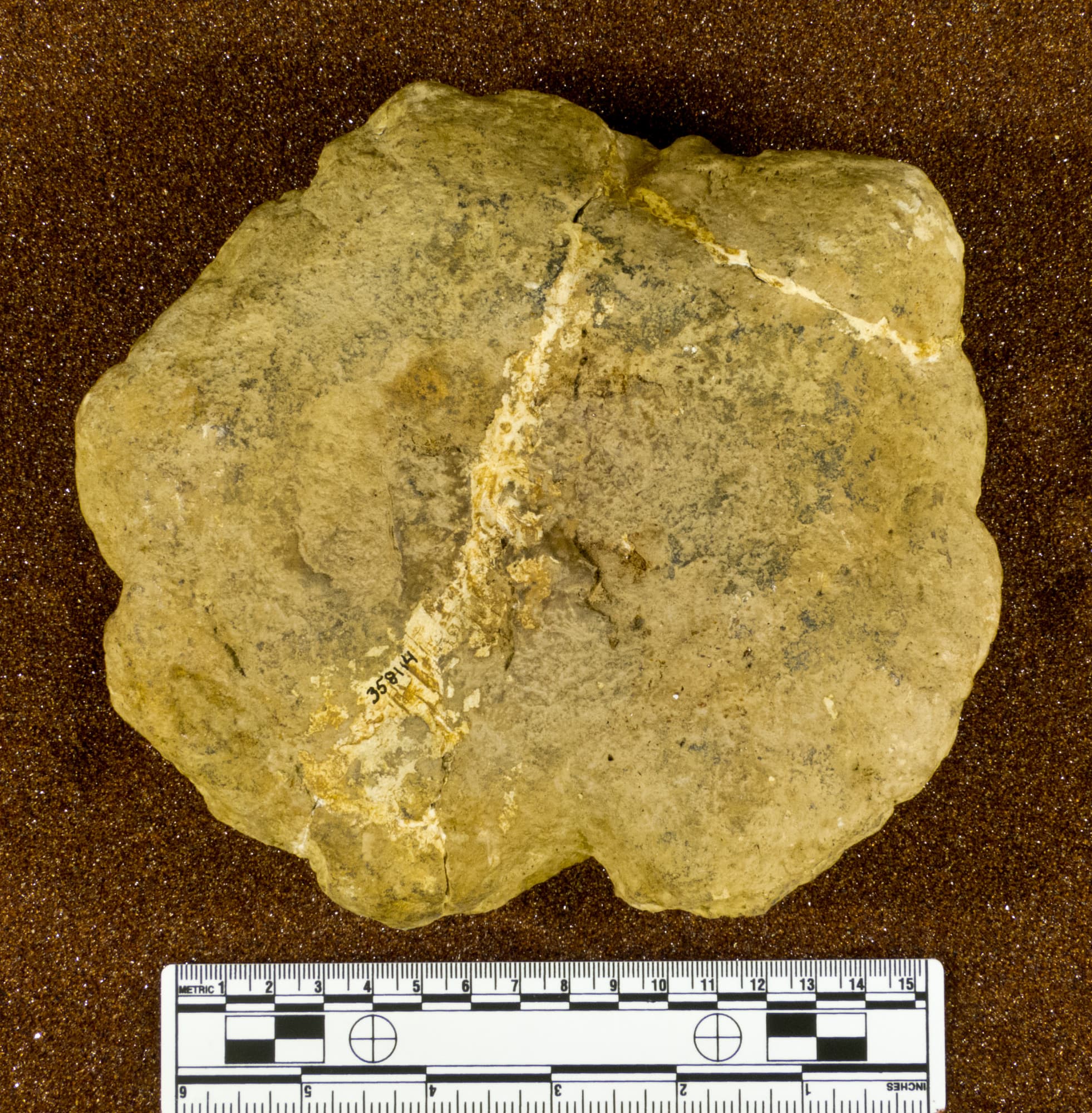
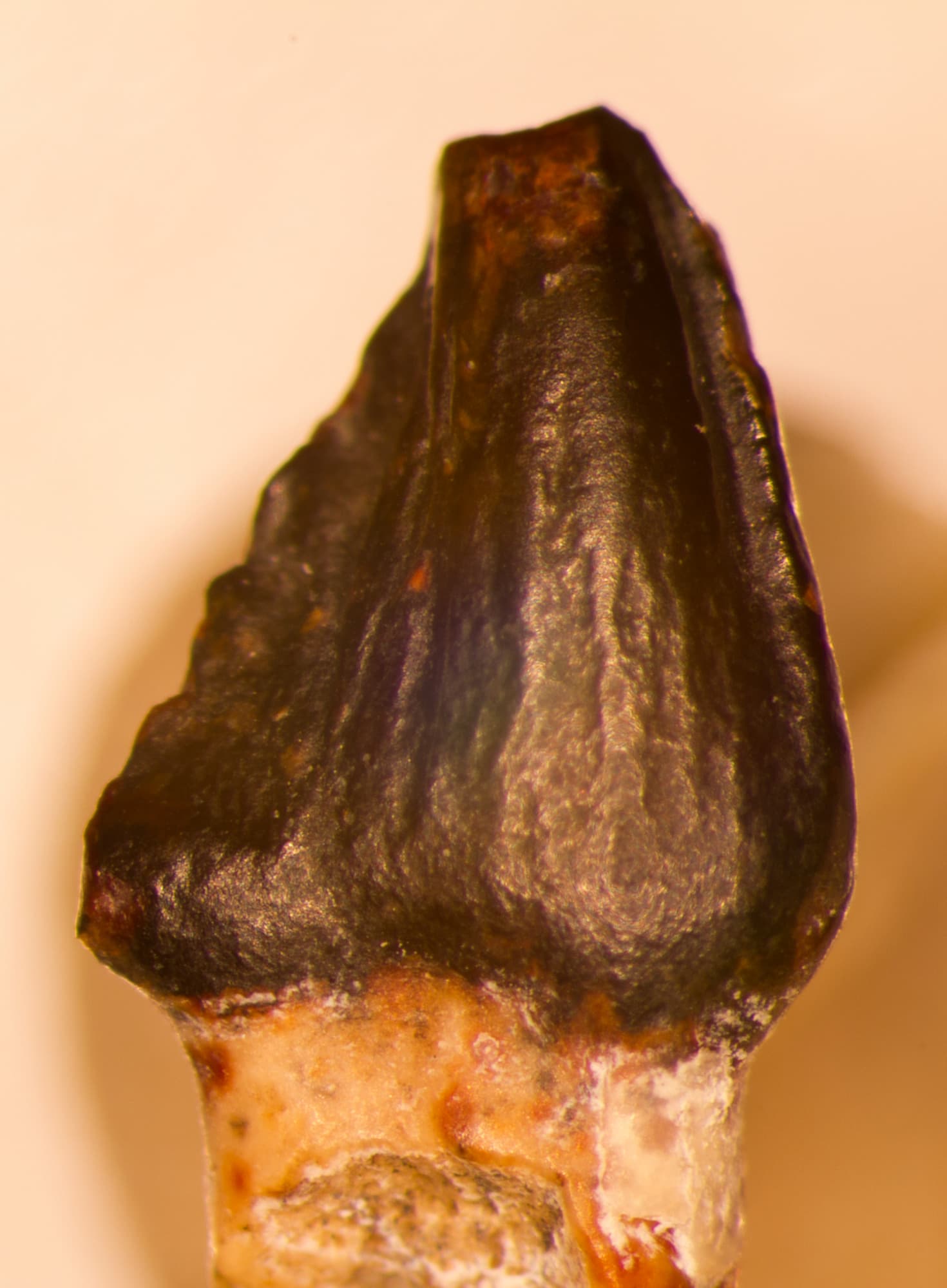
Museum images and 3D records

These are sourced specimen assets, separate from reconstruction artwork. Only media with clear open or reusable rights is displayed by default.

USNM PAL 358114_1
Specimen image

USNM PAL 358114_1

Michael Brett-Surman

CC0idigbio
View source
USNM PAL 358114_2
Specimen image

USNM PAL 358114_2

Michael Brett-Surman

CC0idigbio
View source
USNM V 5314_1
Specimen image

USNM V 5314_1

Michael Brett-Surman

CC0idigbio
View source
Research notes

Pachycephalosaurus fossil map FAQ

Where have Pachycephalosaurus fossils been found?

Pachycephalosaurus is represented here by selected fossil records from known from latest cretaceous western north america, especially hell creek and lance-style northern great plains records. Fossil Atlas maps those records as modern discovery locations.

Is this map where Pachycephalosaurus lived?

No. The map shows modern fossil discovery locations from selected records. Ancient habitat and paleogeographic reconstructions are separate questions.

What formation is Pachycephalosaurus associated with here?

The current Fossil Atlas records include Hell Creek Fm. Formation coverage depends on the selected dataset and may not be complete.

Can I make a Pachycephalosaurus expedition card?

Yes. Use the expedition card generator to turn the Pachycephalosaurus map and specimen profile into a shareable card.

Data sources

Attribution

Caveats

Important notes

Selected fossil records from PBDB and museum biodiversity aggregators. This is not a complete fossil count by country; source labels and confidence notes help distinguish canonical paleobiology records from specimen-media records.

Reconstruction images are labeled illustrations and do not represent fossil evidence. Size, speed, and bite-force figures are typical published estimates and remain subject to revision as new specimens are described.

Trust note

Selected source-backed records

Maps use curated PBDB, museum, and specimen-source records with visible caveats.

Trust note

Modern discovery locations

Pins show where fossils were found or reported today, not exact ancient habitat positions.

Trust note

Reconstruction is not evidence

Artwork is labeled separately from specimen photos, maps, and source records.

Request desk

Request the next dinosaur map

Request another dinosaur like Pachycephalosaurus, submit a correction, or tell us what would make this page useful as a printable card.

Tell us which dinosaur or fossil site to map next, flag a correction, suggest a new pin, or request a card pack. Hit the button to open a prefilled email. We read every one.

Email request